The Tamesis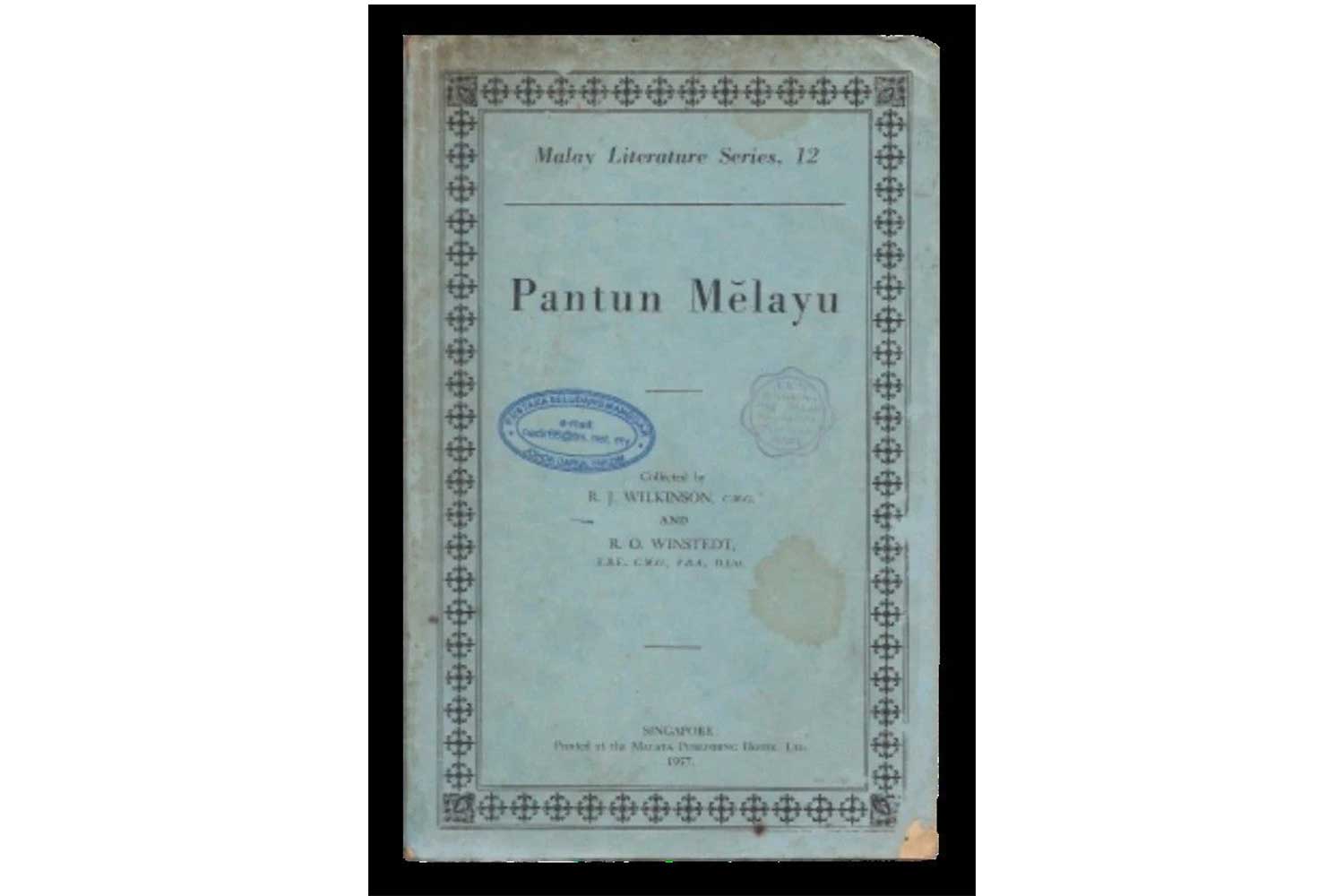
May 11, 2026
Kota Kinabalu – PISANG emas dibawa belayar,
Masak sebiji di atas peti;
Hutang emas Boleh dibayar,
Hutang Budidi Bawamati.
To me, these four lines constitute the most iconic pantun (Malay verse) in the Malay world. Translated into English, it means:
Sail away with golden bananas,
One ripens in the chest;
Gold debts can be repaid,
But the debt of gratitude will follow us to the grave.
The closest proverb I can find in English – although lacking the rhythmic elegance of Malay poetry – is probably the proverb, “Gratitude is the mark of a noble soul.”
We were taught “pantun” in school and it has been a core value for me for many years.
It tells us that while financial obligations are transactional and limited, “budi” (budi) is eternal.
Today, as someone who writes about politics, it still resonates deeply. When my good friends in politics lose their seats or fall out of favor, I go for coffee
Be with them. This is my way of saying that, even in defeat, I appreciate the friendship and political insights they shared while in office.
When politicians lose power, they learn who their true friends are. I’m currently in my hometown of Kota Kinabalu and I’m reminded of all this when some people here are complaining about so-and-so not replying to their messages.
Anyway, I digress.
Pan Tun is beautiful because of its unique four-line structure. It consists of pembayang (the first two lines, or foreshadowing) and maksud (the last two lines, the actual message). Pembayang often evokes natural and everyday imagery—in this case, bananas and sailing boats—that provide a bridge to the moral truths conveyed in the maksud.
This particular line is often cited by scholars—such as Andi Mustofa of the University of Yogyakarta, Indonesia (2020)—in language studies because of its perfect use of caesura (rhythmic pauses) and its ability to convey deep moral and social values through excellent economy of language. This is a master class in saying more with less.
I happened to be thinking about this bandon early yesterday morning when a close contact sent me a media statement from Tunku Hassanal Ibrahim Alam Shah Sultan Abdullah Riayatuddin Mustafa Billah Shah of Pahang. The statement was brief but full of question marks.
The statement in Malay is only 51 words long; in English it is as follows: “I take note of the statement of the Honorable Prime Minister. In this regard, I would like to emphasize the right of Pahang to fair treatment and fair consideration.
“Pisang emas dibawa belayar,
“Masak sebiji di atas peti;
“Hutang emas boleh dibayar,
“Hutang budi dibawa mati.
“Sergian [that’s all, or respectfully]”.
The context for Bantun’s royal message may stem from the recent back-and-forth debate over federal funding.
Tunku Hassanal raised questions over the allocation of funds while chairing the Pahang state legislative assembly on Friday, noting that although RM3.386 billion had been approved for various projects, he expected transparency and no leaks.
Anwar responded by promising a comprehensive briefing by Second Finance Minister Datuk Seri Amir Hamza Azizan and insisted that Pahang’s allocation was “substantial”.
Tunku Tiara ended his statement with that particular banton, not only for the sake of poetry, but for the sake of poetry. He is getting to the heart of Malay diplomacy.
Pantun is not just a folk poem; This is a complex literary device. To understand why it is so important, we must examine its origins and role in Southeast Asian society. Historically, bandon has been a form of giving “political meaning”, encoding values such as consensus and public responsibility.
According to scholars such as Henk Maier (2017) and Norshahril Saat and Azhar Ibrahim in 2014 (often cited along with Hussin Mutalib), pantun has long been used to express dissent and social criticism through metaphor. It allows speakers to navigate sensitive power dynamics—such as those between state rulers and the federal government—without triggering outright repression or public confrontation.
In Malaysia, politicians have long used “bandon” as a strategic tool in diplomacy, a rhetorical flourish used to soften a blow or an attack to outwit their opponents in the halls of the House of Commons. Such poetry can serve as a subtle yet powerful signal.
The use of traditional verses in frictions in federal-state relations or partisan disputes can put gratitude and other grievances through a different lens.
Banton subtly draws attention to the delicate reciprocal relationship between the center and the states—perhaps a hint that the stability of the country often depends on the cooperation of regional powers, or perhaps a public insistence that the boudi presented to the people is a moral debt that the government is obliged to honor.
Trousers work like velvet gloves: they keep you firm and polite at the same time.
Pantun is part of Malaysia’s communication DNA, a way of saying the most difficult things in the most beautiful words.