The Tamesis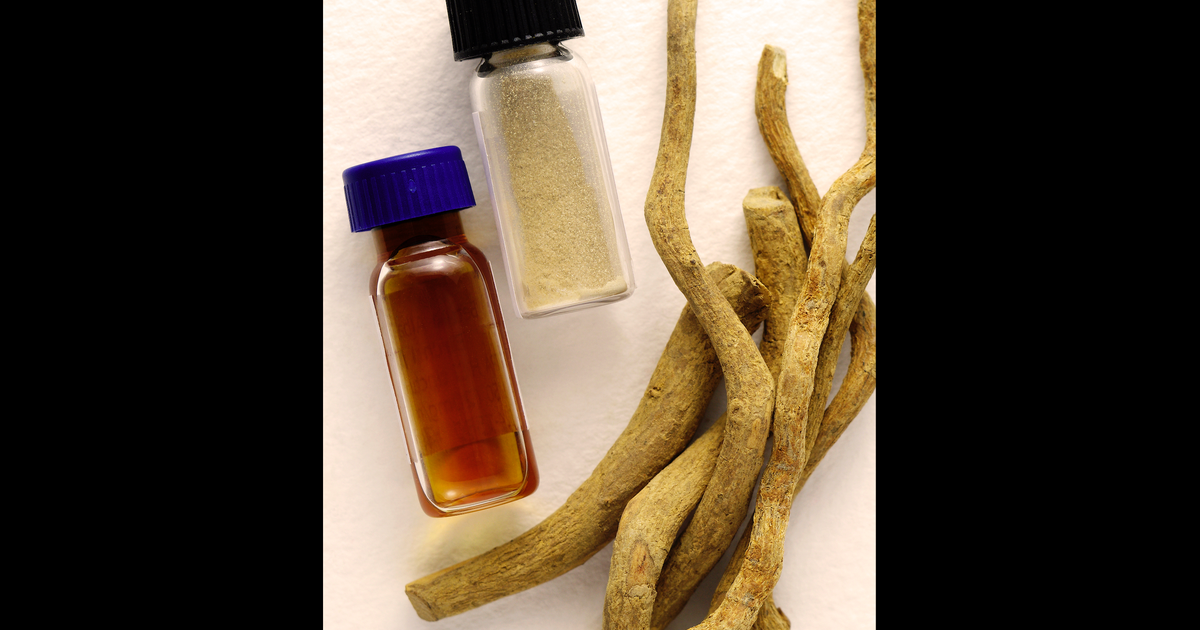
Psychedelic drugs used in some countries to treat post-traumatic stress disorder are expected to receive greater scrutiny from the federal government over their safety and effectiveness, sources told CBS News.
The White House is drafting an executive order signaling the Trump administration’s willingness to further research a drug called ibogaine.
Ibogaine is a natural compound from a shrub native to Africa and is used to treat depression, anxiety, addiction, post-traumatic stress disorder, and traumatic brain injuries.
Because the drug is illegal in the United States, Americans have been going to unregulated clinics, often located in Mexico or the Caribbean, to take it.
The Trump administration does not currently plan to reclassify the drug for medical use — it will remain a Schedule I drug.
Two sources said President Trump intends to sign the executive order as early as this week.
A White House spokesman had no immediate comment.
Several sources said the action against ibogaine is intended to open the door to federal funding to further study its effectiveness against post-traumatic stress disorder and traumatic brain injury, particularly among veterans.
Last year’s 60 Minutes reported on nine U.S. veterans who traveled to a remote village near Puerto Vallarta, Mexico, for a week-long psychedelic retreat to deal with intrusive memories.
Texas has pushed hard for ibogaine research. Gov. Greg Abbott signed a bill last year authorizing $50 million for research.
Trump officials say medical research on ibogaine is in its early stages, but one official said the administration wants to help determine whether it is “snake oil” or a legitimate treatment.
As a Scheduled Substance, ibogaine is currently grouped by the Drug Enforcement Administration with heroin, ecstasy and other drugs that have “no currently accepted medical use and a high potential for abuse.”
It’s unclear how the federal government will help facilitate further research — internal discussions this week are still hammering out a strategy.
Researchers say ibogaine may eventually fill a gap in addiction treatment, particularly opioid dependence, but larger clinical trials will be needed before it can be considered safe or effective for any condition.
The scientific evidence behind the drug so far consists mainly of small observational studies and open-label trials. Only one double-blind, placebo-controlled randomized clinical trial has been completed. More advanced trials are underway.
The most serious risk is to the heart. Ibogaine can cause dangerous heart rhythm disorders that can be fatal. A 2023 review of 24 studies involving 705 people found that while ibogaine appeared to reduce withdrawal symptoms and cravings, its cardiac toxicity and risk of death were “concerning.” Reports in 2023 indicate that at least 27 people died after taking ibogaine.
In a small study of 30 veterans who received ibogaine and intravenous magnesium to protect their hearts, no serious cardiac events were reported. The study, published last July by Stanford University School of Medicine, found that when combined with magnesium to protect the heart, the drug safely reduced PTSD, anxiety and depression in veterans. But because only 30 people participated and there was no placebo group, there’s not much evidence on whether magnesium reliably reduces risk.
Currently, international clinics where Americans receive ibogaine treatment operate without U.S. regulation. There is no standardized cardiac screening, no required monitoring protocol, and no obligation to report adverse events.