The Tamesis
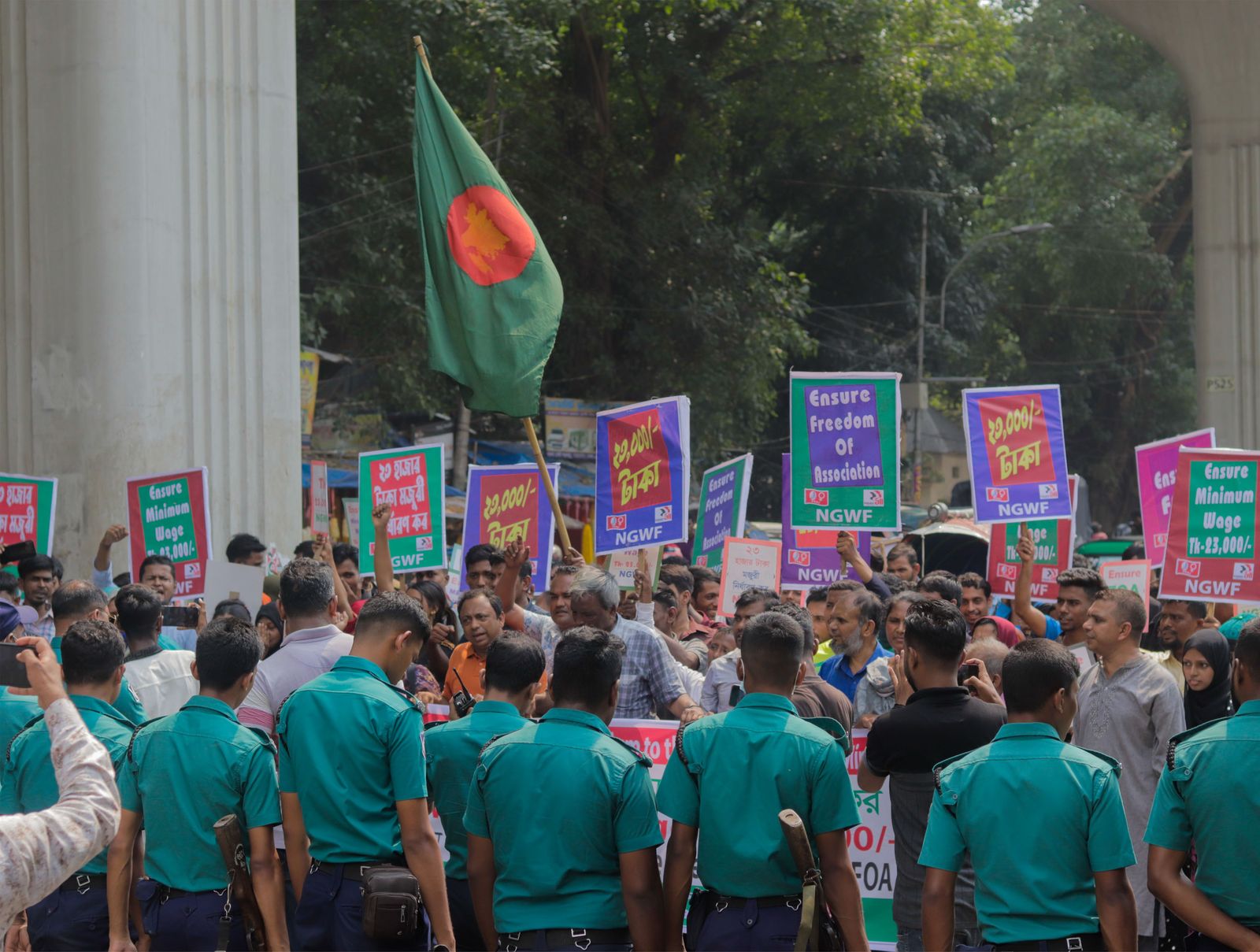
NGOs say funders now prefer project-specific funding to general year-round support. “Across the industry, access to core funding is becoming increasingly difficult, with much of the funding now tied to specific projects,” said Shruti Singh, director of Fashion Revolution India. “This means the organization is always on a short project fundraising cycle, which may limit their ability to build stable capabilities and systems.”
With project-based financing, salaries and overhead expenses come under greater scrutiny, and funders are now looking for “demonstrable, measurable and tangible” funding results, Singh said. “Advocacy doesn’t always produce linear or easily quantifiable results. Much of its value is in influencing mindsets, policy conversations, and ecosystem behavior. I meet a lot of people who will say they’re doing what they’re doing because they read something published by Fashion Revolution,” she said. “The impact is real, but not always easy to quantify using traditional grant metrics.”
Reporting requirements have also increased, said Christina Dean, founder of Redress, a Hong Kong and British NGO. “I do see more demanding funders looking to ‘put money in, knock out KPIs,'” she said. “On the reporting side, we’re seeing more rigorous due diligence. In order to renew funding, they’re looking to get more funding.” Last year, Redress cut a third of its team due to funding delays and is still facing funding challenges this year.
Find alternative funding
Neither CCC nor Remake accept funding from fashion brands to remain independent. “I’ve had investors tell me, ‘You should let brands pay you for consulting,'” Barenblatt said. “But as a watchdog organization we simply can’t do that.” Fashion Revolution has an ethical funding policy for brand partners, and Redress works with brands on a number of initiatives, such as a clothing line program in Zara stores in Hong Kong. It’s also not a reliable source of funding.