The Tamesis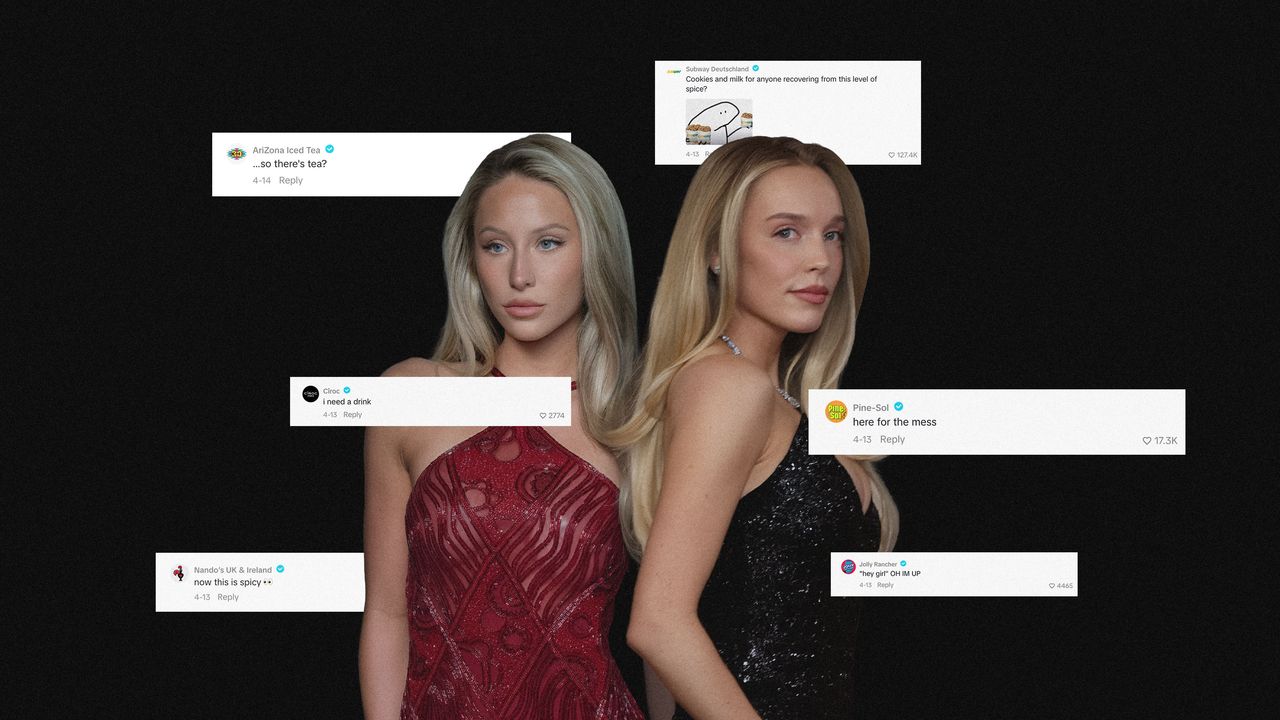
new unspoken rules
But how should brands enter chat rooms? In the flippant world of social media, something off the cuff might resonate. “I think Gen Z especially likes brands that are engaging, responsive and fun. It mimics the tone of a group chat. It’s fast, formal and culturally fluid,” Kesta said. “They will naturally be more flexible in communicating in an informal, fun tone.”
“The comments section is one of our favorite places,” says Amy Bi, vice president of brand at Deciem (owner of The Ordinary). “We brought a playful — and sometimes chaotic — tone to the conversation, keeping everything true to who we are and what we stand for. Our strategy is simple: comment often, inspire banter, and be as fun as possible.” Recently, the “no one here knows I’m an A new age of admins who are not only the face of a brand but a personality in their own right, building and breaking the fourth wall for comedic effect.
For luxury brands, though, this irreverent approach isn’t so simple. “Luxury fashion feels more complex. Their value is tied to a sense of mystery and a certain distance. Getting caught up in gossipy discourse can be quite jarring,” says Kesta. As recently explored tank The magazine believes that an increase in “radical visibility” and “forced familiarity” is causing brands to move into the “friend zone” at the expense of desires and ambitions shaped by a sense of separation. Recurring in the comments section can lead to overexposure, which can weaken exclusivity.
It also requires a level of responsiveness that fashion companies cannot always afford. “Historically, fashion has been more of a media business than a social business. The muscle memory is editorial, including magazine covers, campaign images and fashion shows, which are great broadcast formats. You set it up and then it’s done,” Le said. Too much planning or approval and the moment can be lost. “The comment section is the complete opposite because it’s a conversation, and conversation requires you to be a human being. So you could say it’s more social than media.”
That’s why eponymous creative directors like Marc Jacobs and Simon Porte Jacquemus have found success posting comments through their personal Instagram accounts. Other brands are finding ways to engage with these comments without actually chiming in. In 2024, TikTok creator @DrKayla_MD posted a viral video saying that if the video received 50,000 likes and comments from Prada, her husband would buy her a reissued Saffiano leather bag from the brand. Companies like Burt’s Bees, Pizza Hut, Ziploc (and a fake Prada account) expressed support. In the end, her husband bought her the bag. Interestingly, while Prada did not comment, it ultimately gave her a raffia shoulder bag, indicating that it was both online and informed without being directly involved in the comments.