The Tamesis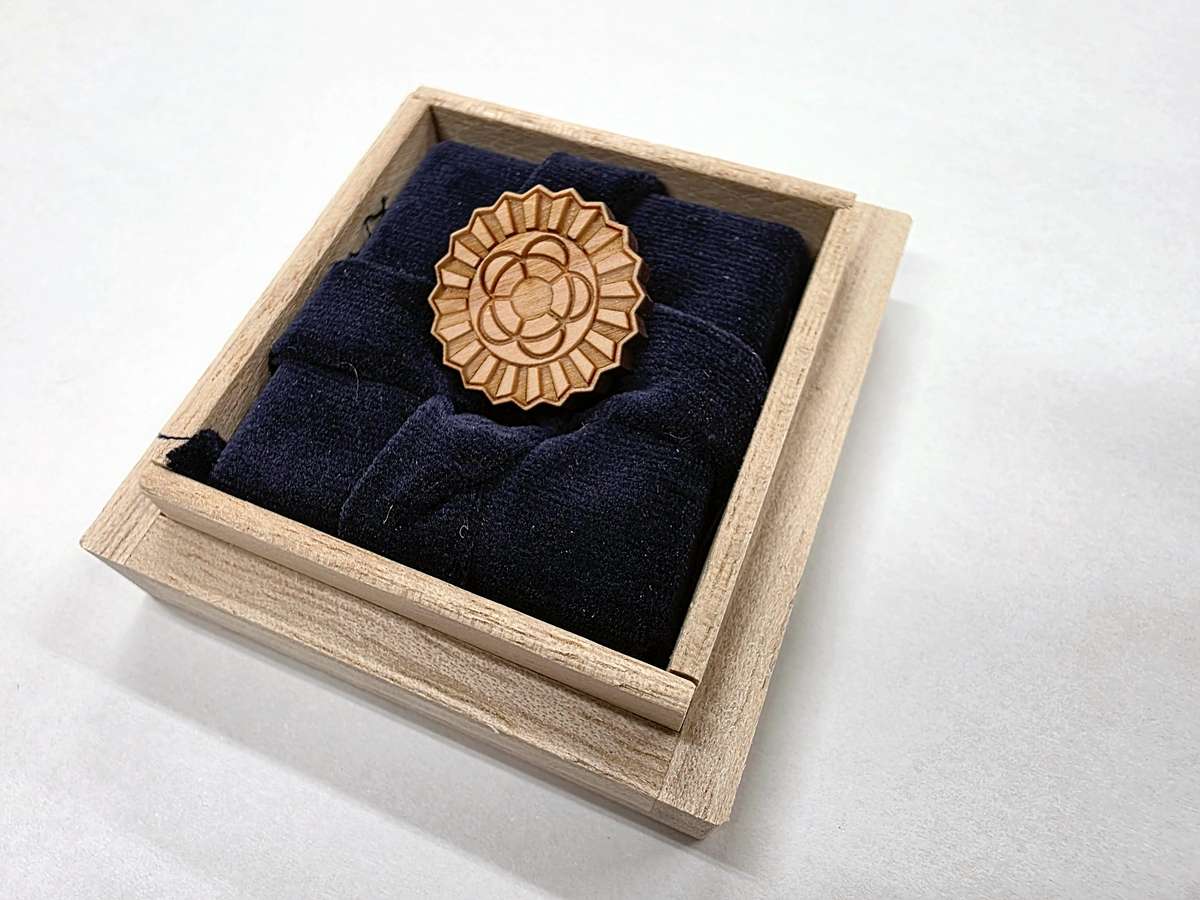
April 20, 2026
Toyama – If the badges of prefectural assembly members continue to be made of gold, the production cost of each badge may soar to around 100,000 yen. Some council members questioned whether dowels were necessary, and one council introduced wooden dowels.
The Toyama Prefectural Assembly, scheduled to hold elections next spring, is borrowing lapel pins made of 14-karat gold from its 40 members. In February, it was decided to change the badge design to gold-plated silver and give the badges to members.
It is estimated that a 14-karat pin would cost 97,900 yen at current gold prices, a 150% increase over the cost of a pin made for a member of parliament elected in 2023.
The county council secretariat proposed the changes last summer, saying it was “unrealistic” to use taxpayers’ money to produce 14-carat gold badges. The proposal was unanimously approved by the General Assembly.
The change means the new lapel pins are expected to sell for 16,280 yen each, less than half their 2023 price.
Shinichi Takeda, who was spokesman for the prefectural assembly when the changes were approved, said the badges “help members understand they have a heavy responsibility.” But he added, “I’m sure a lot of voters are wondering whether these projects are really necessary.”
The Fukuoka Prefectural Assembly also changed its collar badge policy ahead of next spring’s elections. It once awarded a main badge made of 18-karat gold and a smaller simplified badge made of 20-karat gold to its 87 members.
Now, Components has decided to use gold plating for the main pins and scrap the smaller pins entirely.
Under the previous policy, the cost of badges for elected members next spring is expected to increase to 30 million yen, 230% more than the cost in 2023. With this change, costs are expected to drop to approximately 2 million yen.
The coat of arms of the Osaka Prefectural Assembly used to be made of 14-karat gold. After the 2023 election, it launched two brooches for its 79 members: gold-plated brass and wood. These wooden pins are intended to promote locally grown cypress trees.
The wooden pins, which cost just 3,190 yen each, are actually magnets and are easy to wear even without a suit, and have been widely welcomed by lawmakers.
“We haven’t heard any complaints about how much better the old version was,” a county council official said.