The Tamesis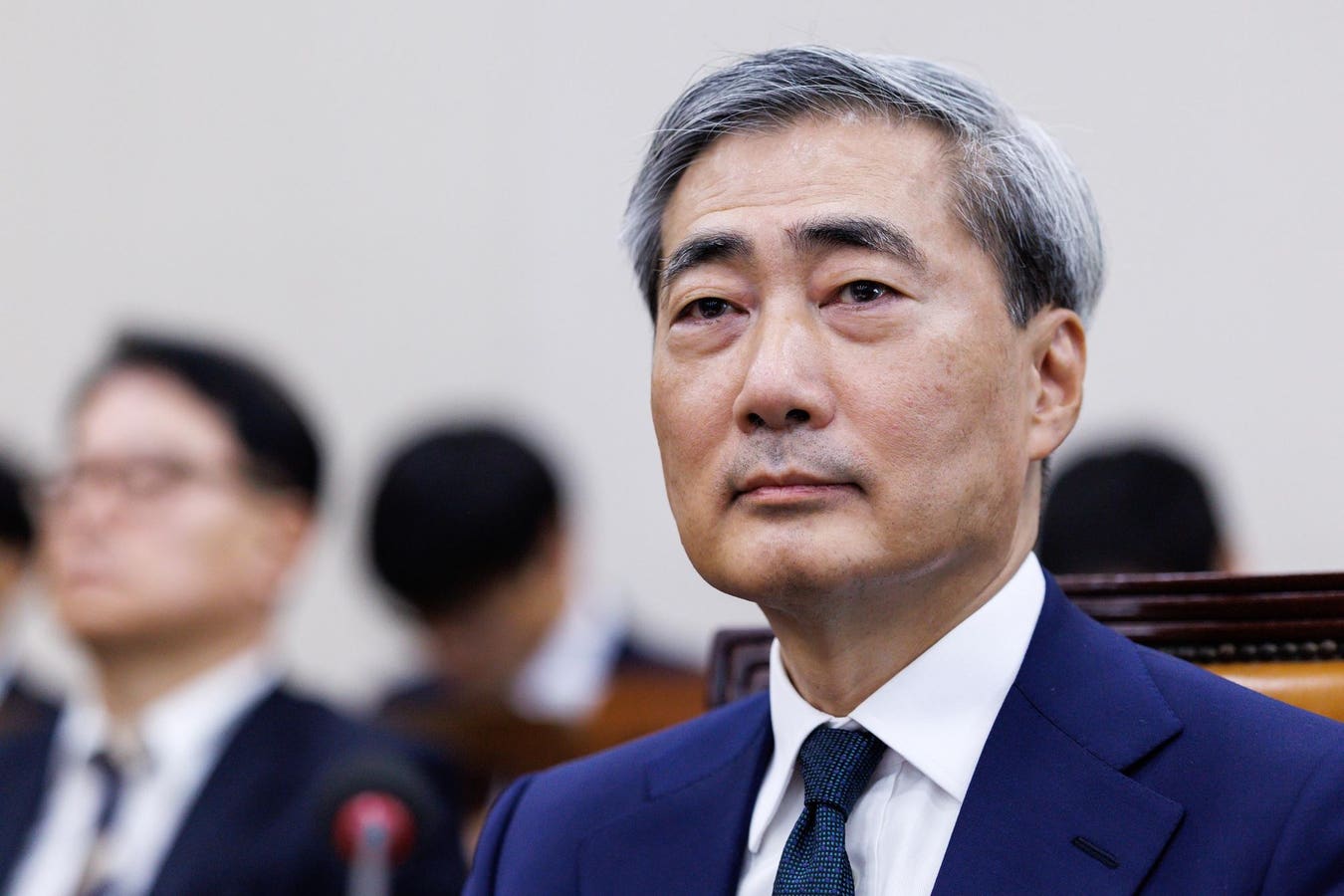
Shin Hyun Song
SeongJoon Cho/Bloomberg
As baptism of fire proceeds, Shin Hyun Song’s upcoming test at the Bank of Korea could set a new benchmark.
Skilled and respected central bankers are always difficult to replace. Mr Shin faces a huge challenge when Rhee Chang Yong, who served as Bank of Korea governor from April 2022 until this week, takes over the baton. By all reports, Shin is a solid and proven successor.
But as China’s dominance grows and U.S. President Donald Trump’s policies upend the world in unpredictable ways, South Korea finds itself in a very difficult moment. It is also at the forefront of how the artificial intelligence boom is colliding with the war on Iran, sending oil prices soaring.
The tension between the “new economy” developing in real time and the apparent headwinds of the “old economy” is perhaps more evident in Seoul than anywhere.
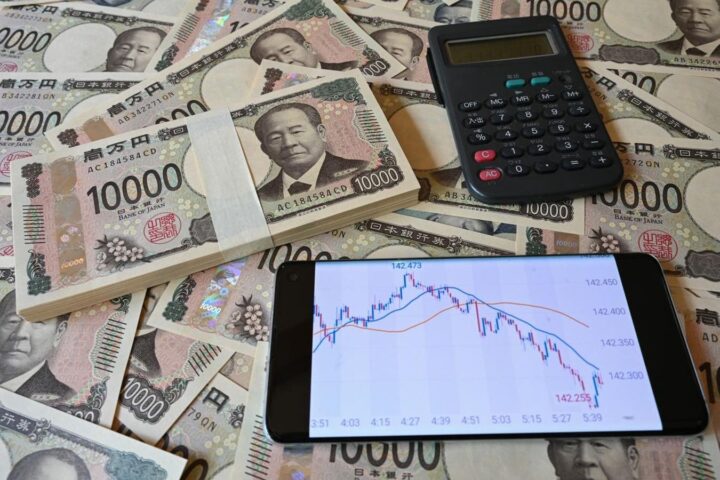
On the one hand, global AI trading is driving the Kospi stock index to a record high – up 150% in the past 12 months. This week, the benchmark index topped 6,400 points for the first time. On the other hand, the South Korean won recently fell to a 17-year low, a shocking development for Bank of Korea officials.
Granted, the currency depreciation has in many ways more to do with Trump than with South Korean President Lee Jae-myung’s economy. Trump’s war in the Middle East has pushed the dollar higher. No matter how erratic the behavior of U.S. leaders, the dollar remains the safe haven of choice when things go wrong.
In more normal times, export-intensive economies like South Korea would likely welcome a weaker exchange rate. However, with oil prices reaching $100 a barrel and food prices about to soar, the last thing Seoul needs is a fall in the won.
In Rhee’s final months as South Korea’s central bank governor, his board faced serious challenges as risks to global growth intensified. Those concerns include deflation in China and the feedback effects of Trump’s tariffs.
An important consideration is that household debt levels in South Korea are near record highs. That means higher interest rates could squeeze consumers and reduce demand. At the same time, lower interest rates may encourage over-indebted households to borrow more. This, combined with the force of population decline, has accelerated the hollowing out of the labor force.
This is the minefield Shin steps into. By all reports, the Oxford-trained economist should be able to hit the ground running. His more than a decade at the Bank for International Settlements, a Basel-based institution known as a central bank among central banks, means Shin is likely weathered by financial adversity.
As 2026 approaches, that experience will be put to the test early and often. It’s unclear whether oil prices will be at $75 or $150 a barrel in six months. Or how soaring costs for everything from fertilizers to industrial metals to other major commodities could push the world toward recession.
This is a risk the International Monetary Fund has been warning about recently. In addition, European Central Bank President Christine Lagarde has been warning that markets appear to be “overly optimistic” that a war with Iran will not disrupt the global economy.
As Lagarde said The Economist Late March: “We face a real shock. Possibly more than we currently imagine.” She worries that “technical experts” are not “telling us about capacity, extraction, refining, distribution, because so much has been damaged and it’s impossible to recover in a few months.”
Shin greeted this potential shock at the Bank of Korea’s doorstep this week. This will ensure that his first year at the helm will be more eventful than any central banker could hope for.