The Tamesis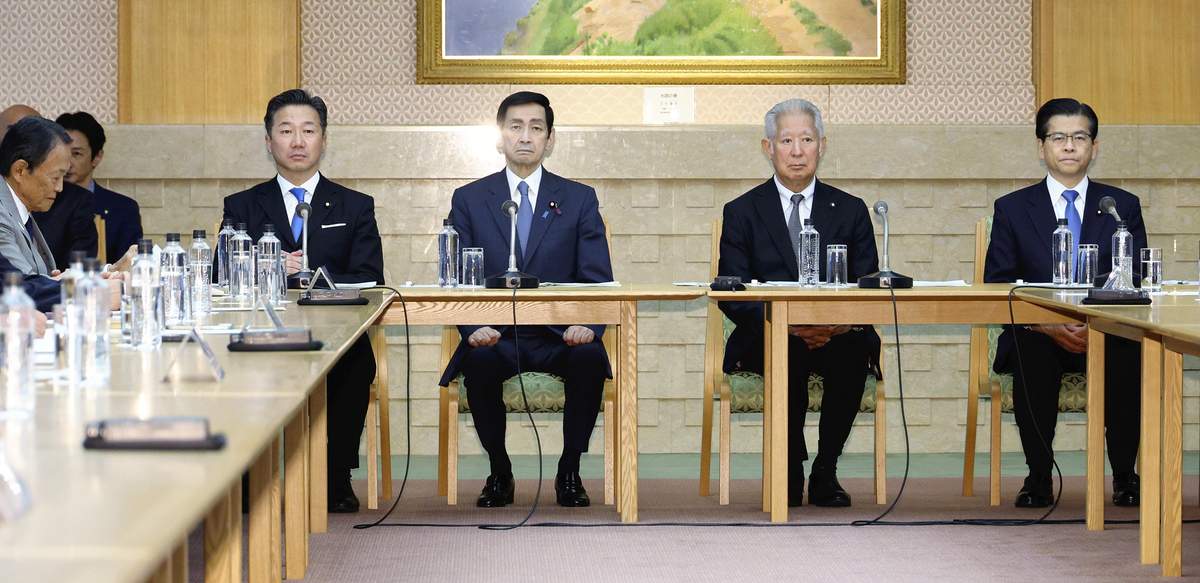
May 18, 2026
Tokyo – Many political parties are now broadly supportive of plans to allow female royals to retain their status after marriage, as the centrist reform alliance advanced its views on ensuring a stable succession to the throne at a ruling and opposition party convention on Friday.
The meeting was held at the official residence of the Speaker of the House of Representatives and was attended by the Speaker of the House of Representatives, Deputy Speaker, President of the Senate, Deputy Speaker and representatives from 13 political parties and parliamentary groups.
With the CRA making its case, all political parties and parliamentary groups have now made their positions known. “We aim to pass a bill to amend the Imperial Household Law during the current Diet session,” House Speaker Eisuke Mori said after the meeting. He added that he plans to present a comprehensive proposal at the next shareholder meeting in May.
The government and opposition parties have been discussing two plans and proposed them in the final report prepared by the government expert advisory group in 2021. One plan was for female members to remain members of the royal family after marriage, and another was to adopt paternal male descendants of the former royal branch.
The CRA, which has been delaying taking a stand, expressed its views at the meeting. The party said the first plan “should be approved” and the other “could be institutionalized”, indicating a level of acceptance.
With the CRA’s input, the first plan now has the support of most major political parties, including the Liberal Democratic Party, the Japan Reform Party, the National Democratic Party and the CRA. Regarding the other plan, except for the Constitutional Democratic Party, the Japanese Communist Party and other political parties, many parties generally support it.
The Speaker and Deputy Speaker of the House of Representatives and the President and Deputy Speaker of the Senate will present a comprehensive proposal at the next meeting that summarizes the views of various parties and parliamentary groups on the two plans.
Mori intends to complete the merger after the next meeting.
The merger will focus on giving royal status to the husbands and children of married female royals. The Liberal Democratic Party and others opposed granting them status, arguing it could lead to an emperor of female descent, with only the maternal line tracing back to the emperor.
Meanwhile, the CRA said “the matter [of granting Imperial status] “Should be handled promptly and properly”, requiring that this issue be clearly included in the deliberations in the supplementary provisions of the amendment bill to the law.
Commenting on the merger proposal at a press conference after the meeting, Mori said: “It is impossible to gain the understanding and full approval of every political party. I want to put forward a proposal that can be accepted by political parties and parliamentary groups, even if there are some differences.”
After Yoshiro Mori and others submit the comprehensive plan to Prime Minister Takaichi Sanae as a legislative proposal, the government will begin drafting a revised bill. The government is expected to explain its platform to parties and parliamentary groups before making cabinet decisions.
Under current law, eligibility for the throne is limited to “male descendants” whose paternal lineage can be traced back to the emperor. This provision will not be changed in the bill. In addition, the premise of the current discussion is that Prince Hisahito, son of Crown Prince Akishino and currently the youngest heir to the throne, will continue to maintain his status as second in line to the throne after the Crown Prince.