The Tamesis
This article is part of The Future of Artificial Intelligence, a collection of articles that explores how artificial intelligence will impact the fashion and beauty industries in the coming years.
In Hangzhou, shoppers can ask an AI agent to assemble an entire wardrobe, try on items on their virtual avatar, and then make purchases within the same super app. Meanwhile, in Silicon Valley, startups are racing to build more powerful large language models (LLMs) to compete with China. In Brussels, lawmakers are debating how to regulate the same technology.
The race for artificial intelligence is a high-stakes geopolitical battle in which governments compete to create the most powerful technology to increase economic competitiveness and safeguard national security. But different countries have fundamentally different ideas about how AI will shape business and society. The gap between these ideas is where luxury brands must now operate.
“We are seeing the rise of multi-location, where local characteristics become more pronounced due to the deeper use of artificial intelligence and data,” said Holger Harreis, a senior partner at McKinsey. “These specificities vary by income bracket and age around the world, but they are always present.”
Luxury brand executives are preparing to address this growing fragmentation. Rather than promoting a single AI strategy globally, experts say brands need to localize how they use AI and data, applying AI selectively to enhance key customer experiences while protecting elements of luxury that must remain distinctly human. The result is that the luxury market has not one future driven by artificial intelligence, but multiple futures.
Different systems, different rules
Many governments, including the United States, China, France, the United Kingdom, Japan, the United Arab Emirates, Saudi Arabia, Singapore, and others, have officially considered artificial intelligence at the core of their national, economic, and security strategies.
The most prominent players in the AI race are the United States and China, driven by capital backing and rising geopolitical tensions between the two countries. Artificial intelligence in the United States is developing rapidly and is dominated by startups. The major players—Nvidia, OpenAI, Google, Meta, Anthropic, Microsoft, and Amazon—are building models or tools, each with unique advantages. “Maybe one is better at visualizing, one is better at processing and coding, one is better at conversation,” said Raakhi Agrawal, managing director and partner at The Boston Consulting Group. “The situation in the U.S. is more diverse and containerized.” That means brands must compete at multiple AI entry points simultaneously — from search to agencies to platforms — and there may not be a single dominant channel.
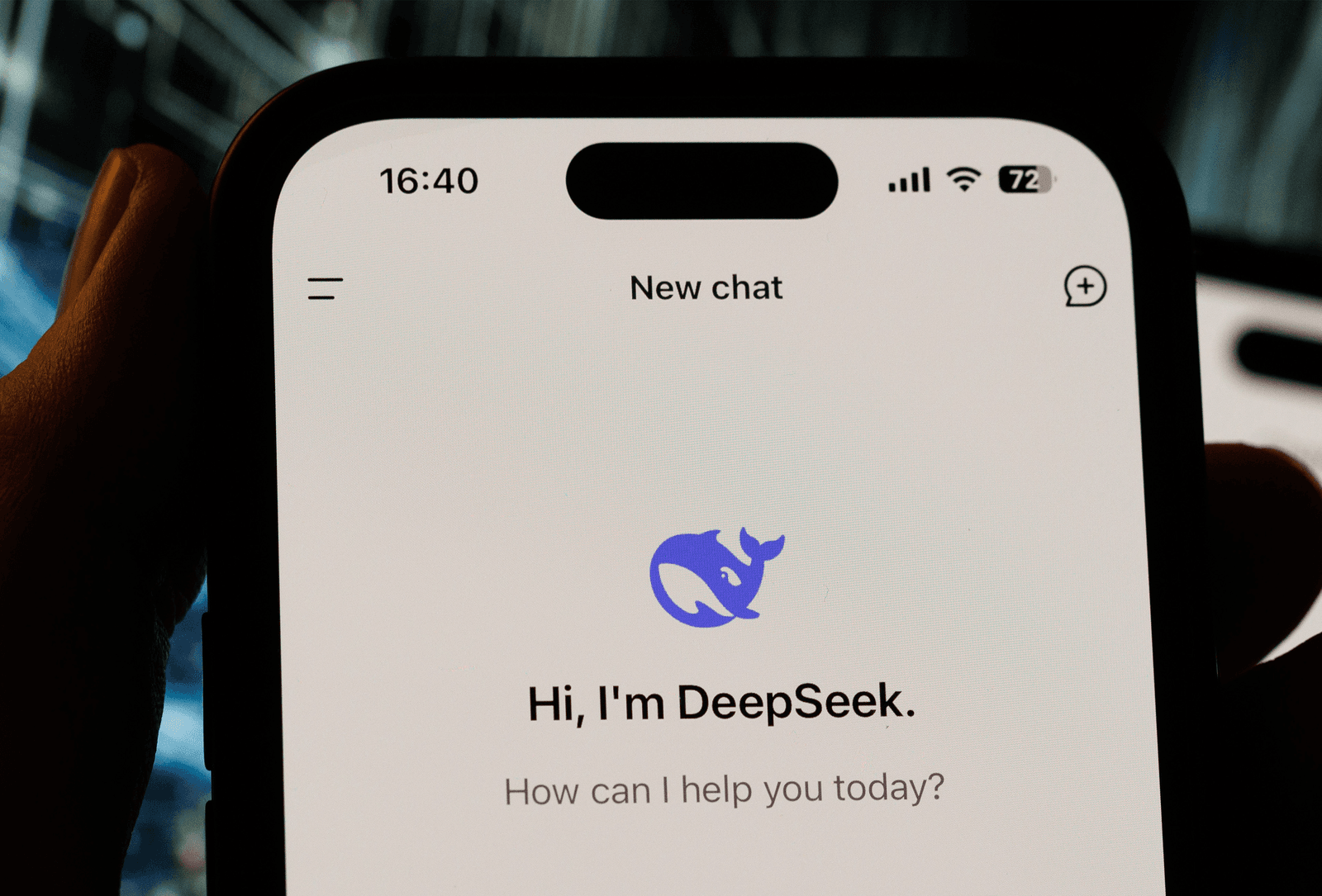
In China, companies including Deepseek, Moonshot and Zhipu are building capable LL.M.s, but the AI field is largely shaped by tech giants like Alibaba and Tencent, which have access to vast amounts of consumer data from an integrated ecosystem of super-app platforms. “A platform can end up having a lot of customer data and understanding their preferences. But the more data and context an AI agent has, the better the recommendations and the more useful they will be to the consumer,” Agrawal said.