The Tamesis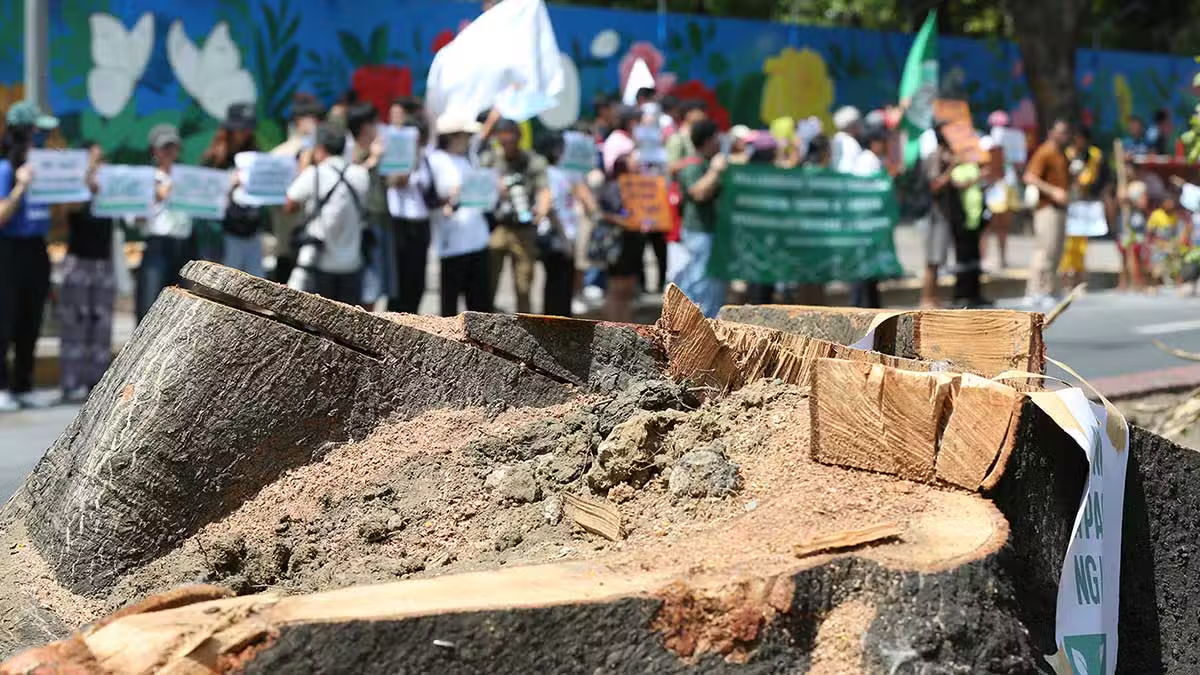
June 4, 2026
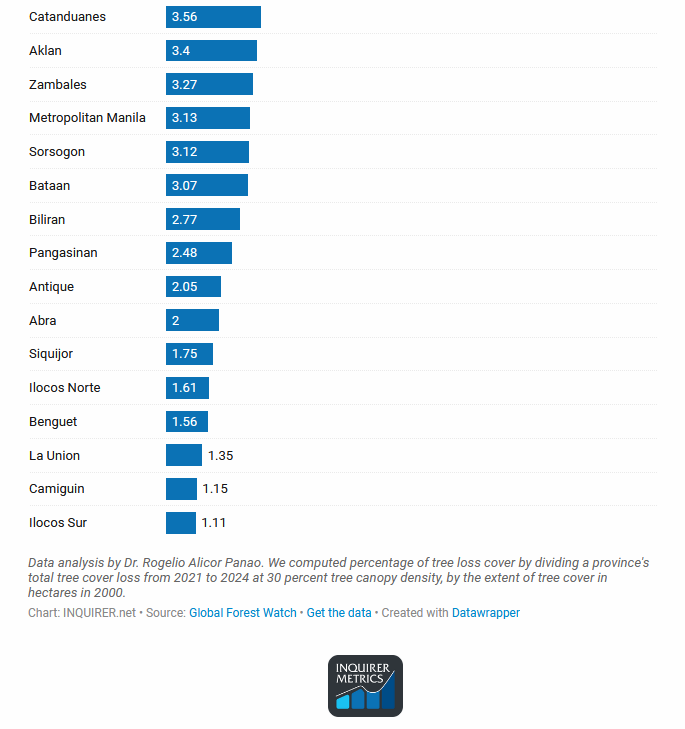
Manila – Last week, as public criticism grew over the felling of trees along Manila’s Quirino Boulevard, an Inquirer analysis found that deforestation in the Philippines is “concentrated, persistent and often occurs where governance is weakest.”
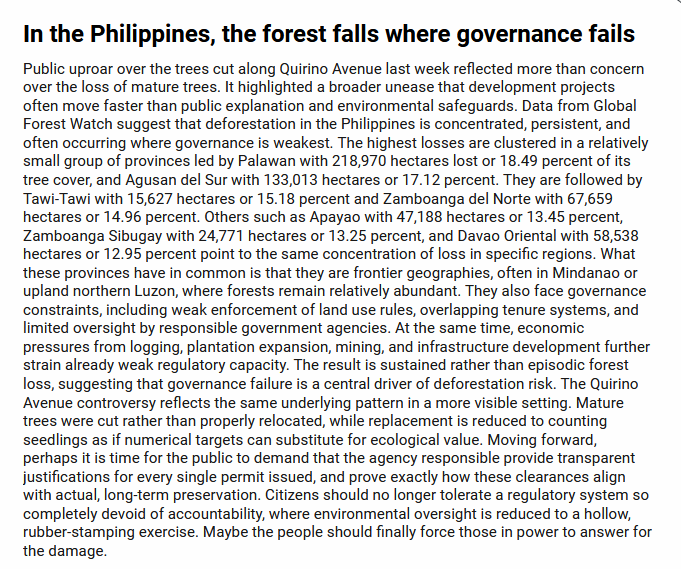
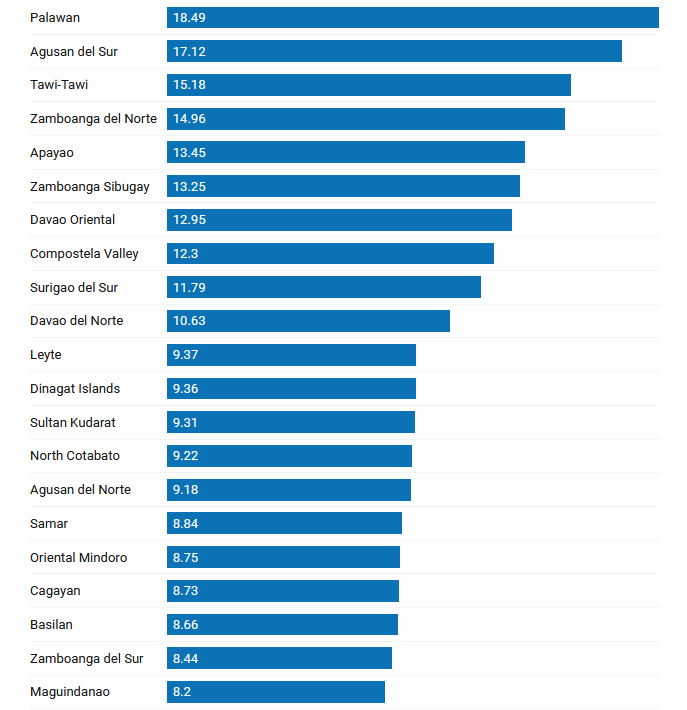
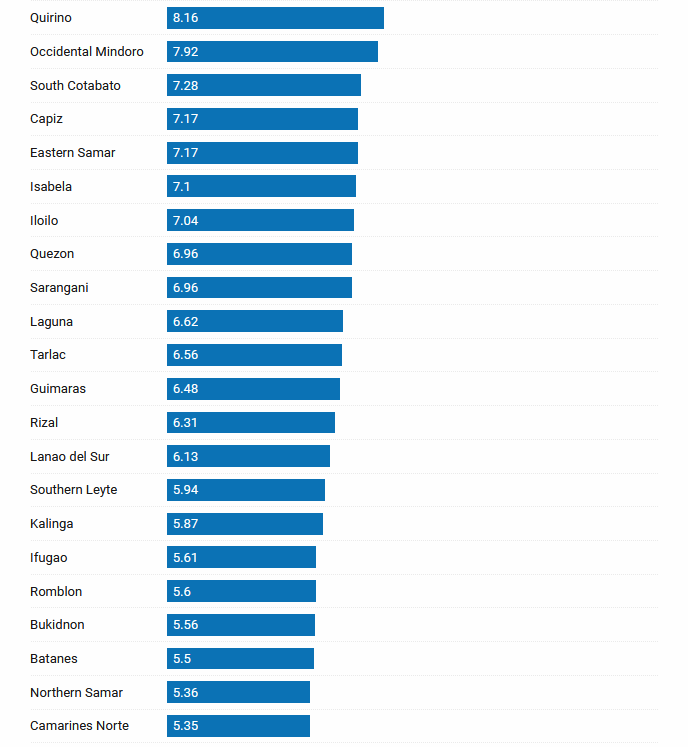
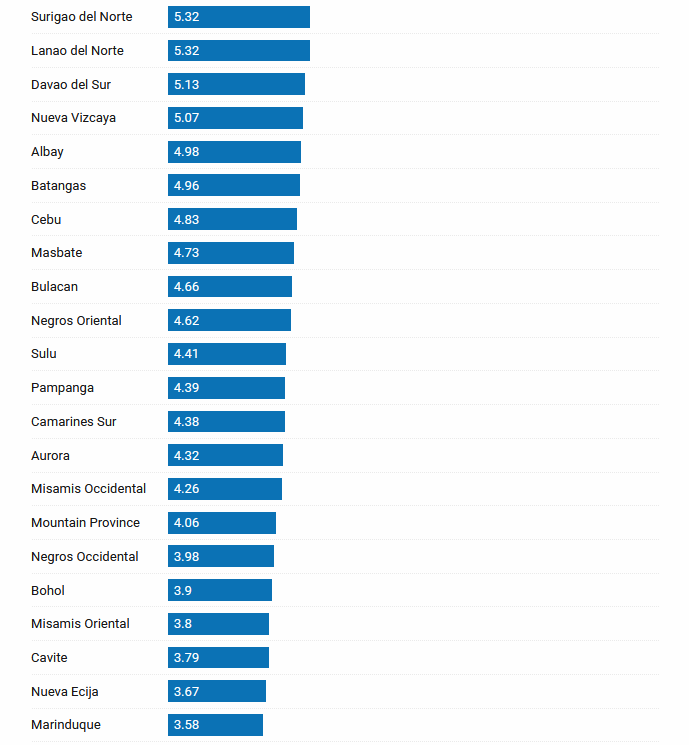
According to Global Forest Watch, the provinces with the highest losses were concentrated in relatively small provinces, with Palawan losing 218,970 hectares, accounting for 18.49% of tree cover, and Agusan del Sur losing 133,013 hectares, accounting for 17.12% of tree cover.
This is followed by Tawi-Tawi (15,627 hectares, accounting for 15.18%) and Zamboanga del Norte (67,659 hectares, accounting for 14.96%).
Other provinces such as Apayao, with an area of 47,188 hectares, accounting for 13.45%; Zamboanga Sibugay, with an area of 24,771 hectares, accounting for 13.25%; Davao Oriental City, with an area of 58,538 hectares, or 12.95%, suffered the same degree of loss.
Dr. Alicor Panao, a data scientist at The Inquirer, said the provinces share common characteristics: “They are all border areas, usually in the highlands of Mindanao or northern Luzon, where forests are still relatively rich.”
“They also face governance constraints, including poor enforcement of land use rules, overlapping land tenure systems and limited oversight by responsible government agencies,” he said.
Likewise, “economic pressures from logging, plantation expansion, mining, and infrastructure development further exacerbate already weak regulatory capacities.”
The result, he said, was continuous rather than intermittent forest loss, suggesting “governance failures are the main driver of deforestation risk.”
For Panao, the Quirino Avenue controversy reflects the same basic pattern in more obvious contexts.
Article continues after this ad
“Mature trees are cut down rather than properly relocated, while replacement is reduced to counting saplings, as if numerical targets are a substitute for ecological value,” he said.
The Department of Environment and Natural Resources (DENR) said on May 20 that the felling of the canopy of trees that had provided shade for years on Quirino Avenue was legally authorized and subject to strict environmental protection measures.
As of May 19, its public information department said that of the 617 trees approved for felling, 225 had been processed.
But last week, the Department of Environment and Natural Resources said tree felling operations on Quirino Avenue for the Southern Corridor Expressway project had been suspended.
“Going forward, perhaps it’s time for the public to demand that responsible agencies provide transparent justifications for every permit issued and demonstrate exactly how those permits align with actual long-term protection,” Panau said.
“Citizens should no longer tolerate a regulatory system so utterly lacking in accountability that reduces environmental regulation to an empty rubber-stamp exercise. Perhaps the people should finally hold those in power accountable for the damage caused,” he said. /decimeter