The Tamesis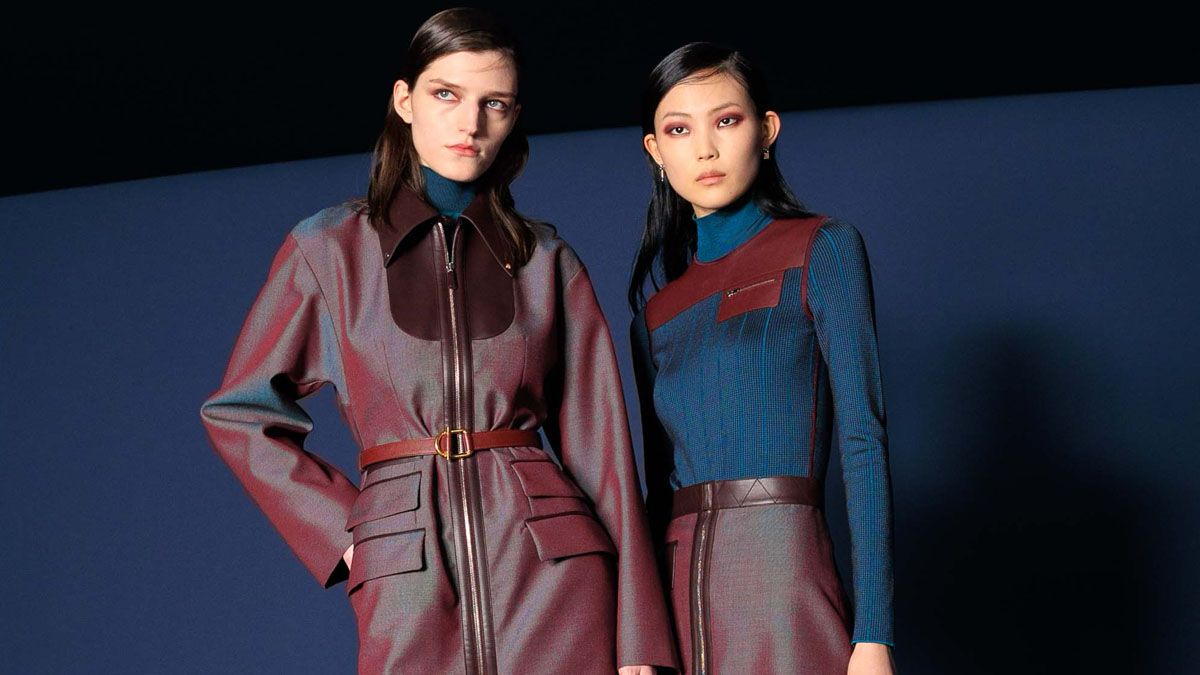
Hermès reported that revenue in the first quarter of 2026 reached 4.1 billion euros, a year-on-year increase of 5.6% at constant exchange rates, but lower than the 7% growth forecast. That marked a slowdown from fourth-quarter sales growth of 9.8%. Hermès shares fell 12% in Wednesday trading.
Although growth is slower than in previous quarters, luxury brands continue to outperform the industry. On Monday, LVMH announced that first-quarter group sales increased by 1% to 19.12 billion euros, of which fashion sales fell by 2%. On Tuesday, Kering Group reported flat sales of 3.57 billion euros, with its largest brand Gucci falling 8%.
“The pattern in Q1 echoes that of 2025, with a soft start in Q1 giving way to a sequential acceleration throughout the year,” Thomas Chauvet, managing director at Citi, wrote in a note.
Hermès said sales in Asia (excluding Japan) rose 2.2%, while sales in Japan rose 9.6%. Sales in the Americas increased 17.2%. Revenue from Europe (excluding France) increased by 9.7%, while France fell by 2.8% due to a significant decline in tourist traffic, especially from the Middle East. Sales in other markets, including the Middle East, also fell 5.9%. The region accounts for 4.3% of Hermès’ revenue, and the company expects first-quarter revenue to fall 1.5% due to the ongoing conflict. Management noted a slight improvement in sales in the Middle East in early April.
The leather goods category led the way, with sales increasing 9.4% in the quarter. Revenue from ready-made clothing and accessories increased by 0.4%; silk and textiles rose by 7.8%; other industries, including jewelry (up nearly 10%) and home furnishings, rose by 6.8%; perfumes and beauty products rose by 0.2%; watches fell by 3.7%.
Regarding the strong deceleration in ready-to-wear and accessories, which fell from growth of 7.1% in the fourth quarter to flat in the first quarter, Eric du Halgouët, executive vice president of finance, said that ready-to-wear and footwear were particularly affected by the economic slowdown in the Middle East and France. Sneakers and Oran sandals usually do well in the Middle East. However, he highlighted “excellent sell-through rates for the new spring/summer 2026 women’s and men’s collections”, adding that the core ready-to-wear and accessories business “remains solid”.
“We expect more questions to arise today as the market ponders whether ‘more of the same’ Hermès styles have reached their limit,” Bernstein luxury goods analyst Luca Solca wrote.
Asked on Wednesday during an earnings call whether Hermès could consider changes to its growth strategy, especially given fierce competition from Chanel and Dior’s renewed creativity, Duhargut denied any changes. “Creative work will play a key role,” he told analysts. “Creativity remains at the core and we will stick to our fundamental principles of freedom to buy and freedom to create. As we can clearly see with our latest range, all new products are a success.”
Axel Dumas, executive chairman of Hermès, said in a statement: “In a tense geopolitical environment, Hermès adheres to its long-term strategy. Backed by its rich creativity, uncompromising quality and customer loyalty, Hermès will continue to achieve profitable growth in 2026 with confidence and determination. The fundamentals of the Hermès model are more differentiated than ever before.”