The Tamesis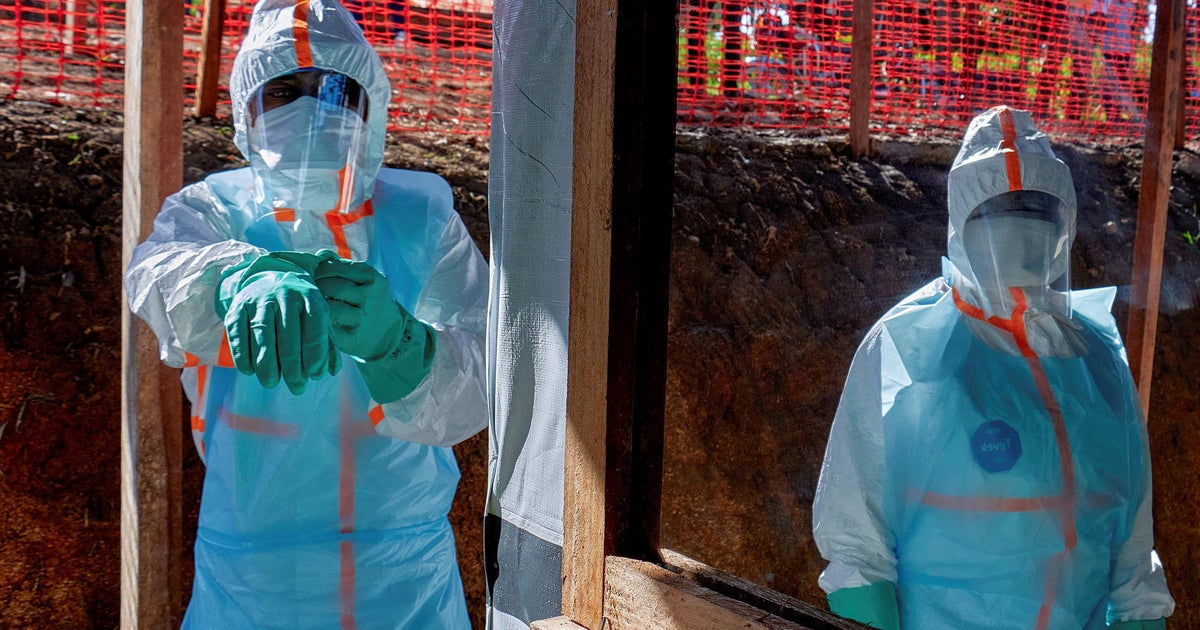
The United Nations World Health Organization slashed the number of suspected cases on Tuesday Ebola cases in Central Africathe number of cases dropped from more than 900 to 116, and the total number of confirmed cases was 330.
The World Health Organization said the Democratic Republic of Congo had registered 116 suspected cases of the deadly virus as of May 31, a sharp decrease from the 906 cases registered at the end of last week.
The Democratic Republic of Congo has a total of 321 confirmed cases, including 48 deaths, and neighboring Uganda has 9 confirmed cases, including one death.
World Health Organization spokesman Christian Lindmeier told reporters at its headquarters in Geneva on Tuesday that while some suspected cases had been confirmed, many more “had been cleared” after proving to be other illnesses or unrelated fevers.
While less daunting case numbers might help, doctors working on the front lines of the outbreak say they probably should have known about the situation earlier, and they stress that many challenges remain in containing the outbreak.
Gradel Muissa Mombel/Reuters 
The charity International Rescue Committee told CBS News that the current outbreak may have been spreading undetected as early as January.
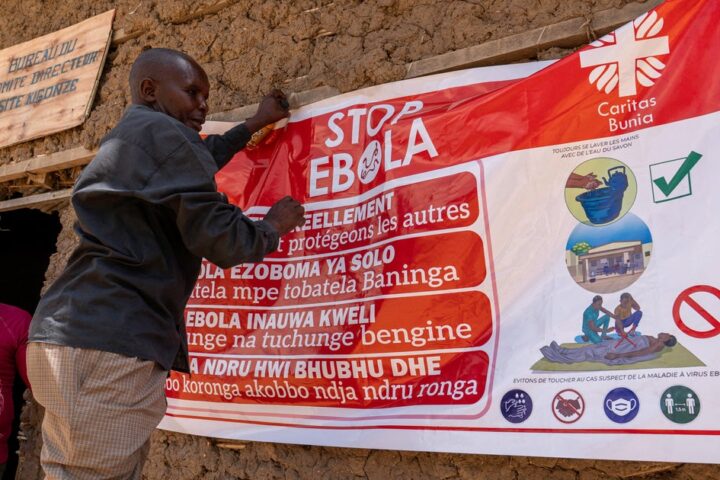
Dr. Abdou Sebushishe, a doctor working with the International Medical Corps in the eastern Democratic Republic of Congo city of Goma, told CBS News that staff tried to trace and talk to people who had been in contact with Ebola patients but had only succeeded in reaching about a quarter of the contacts. When contacted, he said, some people said they believed Ebola didn’t exist.
“Instead of seeking health care, they are resorting to alternative solutions from traditional healers or other alternatives, further exacerbating the spread of the outbreak,” he told CBS News. “My message is that Ebola is real.”
He believes that “the outbreak may take more than six months to be controlled.”
“I think the outbreak is outpacing the current response, and adjustments are being made to catch up,” he said, noting that medical staff like him still need more resources, including basic resources such as protective gear, to “expand the protection of medical staff.”
He added that 20% of all new positive cases are health care workers.
But this week, hopes are growing that the strain of Ebola responsible for deadly outbreaks can be defeated, even among those who contract it. Five frontline nurses who contracted Ebola while treating patients have recovered and been declared Ebola-free.
“I called the team and told them, ‘Something’s wrong here,'” he said. “I decided to take a break and within a few minutes I started vomiting.”
But she was among the medical staff who this week presented certificates to Ebola survivors when they visited Dr. Tedros Adhanom Ghebreyesus, the director-general of the World Health Organization.
“To come out alive from this disease is an indescribable joy,” said Baraka Bulambulu, another recovered health worker.
Tedros said testing, treatment capabilities and trust in health workers still need to improve, but stressed that “if you come early, if you get medical support, just like others have survived, you can survive.”