The Tamesis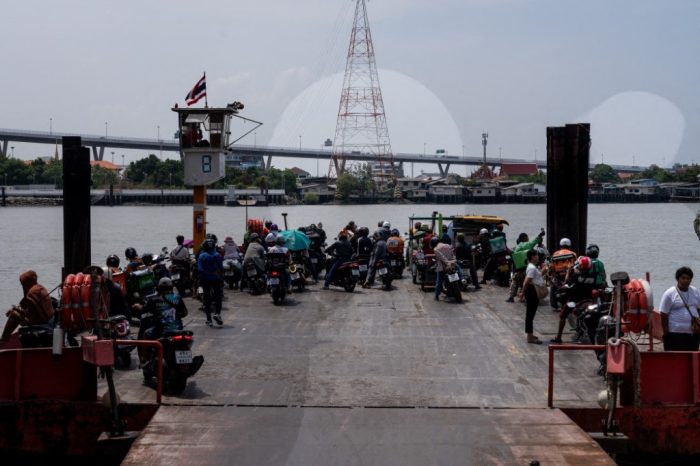
Tokyo stocks rose on Thursday and oil prices fell as global stocks awaited Iran’s response to U.S. plans to end war in the Middle East and reopen the Strait of Hormuz.
International oil benchmark Brent crude is back below $100 a barrel after plunging more than 10% on Wednesday on hopes of a peace deal.
While Asian markets rose, sentiment was less positive in Europe, where markets fell after sharp gains in the previous session.
See also: US-Iran ceasefire shaky after Gulf conflict and UAE attacks
Tokyo shares surged 5.6%, largely reflecting a resumption of trading after a public holiday in the country this week.
“The frenzied enthusiasm that has emerged in markets amid hopes of a significant de-escalation in the Iran conflict is waning,” said Susannah Streeter, chief investment strategist at Wealth Club.
“It is recognized that there are further obstacles to overcome to reach a long-term solution, although Iran is reportedly studying US peace proposals aimed at formally ending the conflict.”
1,500 ships trapped in the bay
U.S. President Donald Trump said a deal was possible soon after active negotiations, and Iran added that it would convey its latest position to mediator Pakistan. That could take at least two days, according to some news outlets.
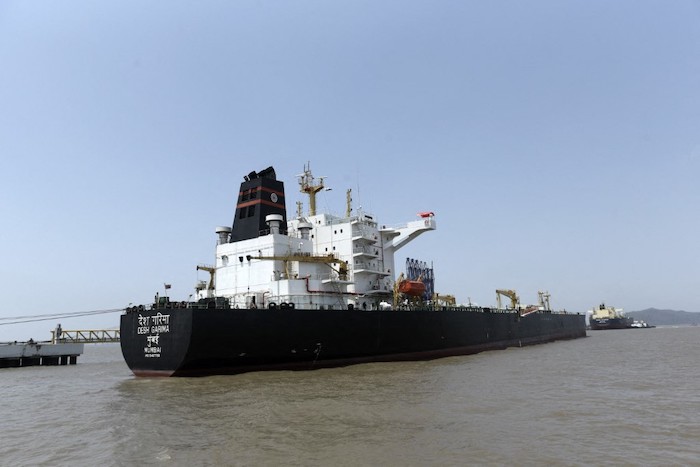
Iran responded to the war, launched by the United States and Israel in late February, with attacks across the Middle East and choked the Strait of Hormuz, a gateway to the Gulf’s oil and gas industry and a strategic trade route.
Some 1,500 ships remain stuck in the bay due to the conflict, according to the United Nations maritime agency.
In foreign exchange on Thursday, the U.S. dollar lost some safe-haven support.
Investors in Tokyo are keeping a close eye on the yen following speculation that the Japanese government will intervene to prop up the troubled currency.
Thailand plans $12 billion aid package
Meanwhile, China has asked its banks to suspend new loans to the following countries: Teapot refinery hit by U.S. sanctions.
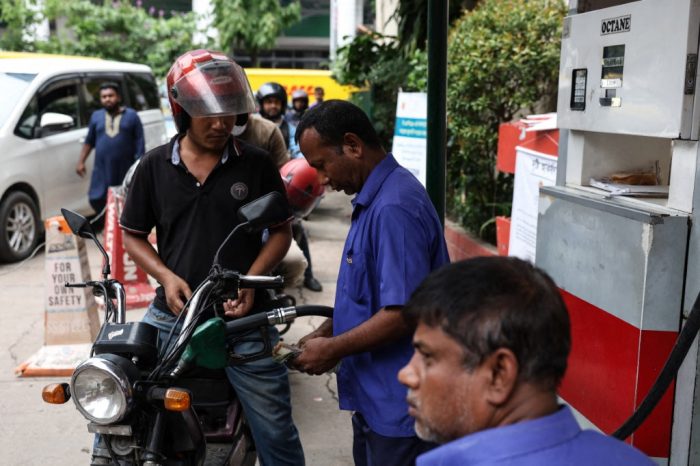
In Bangkok, Thailand’s cabinet, led by Prime Minister Anutin Charnvirakul, passed a emergency decree Authorizes the government to borrow up to 400 billion baht ($12.4 billion) to ease the impact on citizens of the energy crisis caused by war in the Middle East.
The funding will target groups in urgent need of assistance, such as low- and moderate-income earners, farmers and small business owners. It will help them access fertilizers, support the country’s transition to renewable energy and help reduce the country’s dependence on fossil fuels.
Thailand’s tourism industry has been hit by rising energy costs.
Meanwhile, Norway’s central bank raised its guidance interest rate by a quarter of a percentage point to 4.25% on Thursday, arguing that war in the Middle East could exacerbate already high inflation.
“Inflation is too high and has been above target for many years,” Norges Bank Governor Ida Wolden Bache said in a statement.
AI creates a wave of cash
Away from the war, a new wave of cash is pouring into the technology sector as traders snap up all the artificial intelligence products, helped by stellar earnings from Apple, Google parent Alphabet, Microsoft and Samsung during the current first-quarter earnings season.
“It does feel like the U.S. stock indexes are in a melt-up phase,” said Trade Nation analyst David Morrison, using a scenario in which large amounts of money are invested in stocks over a short period of time.
As trading progressed, both the S&P 500 and the tech-heavy Nasdaq Composite hit new all-time highs, although they were only slightly higher.
“FOMO (fear of missing out) plays a big role here, but it’s hard to figure out what would trigger a sharp pullback,” Morrison said. “That in itself is a concern.”
Emirates Airline Group announced on Thursday that annual profits rose 3% to $5.7 billion despite severe flight disruptions caused by the war.
Key data around 1330 GMT
North Sea Brent crude oil: fell 3.7% to $97.50 a barrel
West Texas Intermediate crude oil: fell 3.9% to $91.37 a barrel
TOKYO – Nikkei 225: up 5.6% to 62,833.84 (close)
Hong Kong – Hang Seng Index: up 1.6% to 26,626.28 (close)
Shanghai – Composite Index: up 0.5% to 4,180.09 (close)
NEW YORK – Dow: up 0.4% to 50,109.76
NEW YORK – S&P 500: up 0.1% to 7,373.25
NEW YORK – Nasdaq Composite: up 0.2% to 25,877.65
LONDON – FTSE 100: down 0.8% to 10,355.47
PARIS – CAC 40: Down less than 0.1% at 8,293.01
FRANKFURT – DAX: down 0.2% to 24,867.36
EUR/USD: Up from $1.1752 to $1.1774 on Wednesday
GBP/USD: from $1.3594 to $1.3625
USD/JPY: fell from 156.39 yen to 156.30 yen
- AFP Additional input and editing by Jim Pollard
See also:
China DeepSeek says new V4 AI model can run on Huawei chips
Chinese AI circuit board company raises US$2 billion, becomes Hong Kong listed company of the year
China’s top streaming site criticized for AI actor ‘database’
Bytedance’s viral video model shows China’s growing control over AI
New DeepSeek model delayed online to test China’s AI chip strength
Nexperia’s Chinese subsidiary’s chips “nearly fully localized”
China beats U.S. again in global patent battle, Huawei maintains lead
China now requires chipmakers to use at least 50% domestic equipment
China’s big technological secret: Dutch chip-making machine replicated in laboratory
Chinese AI firms form alliance with chipmakers to ditch foreign technology