The Tamesis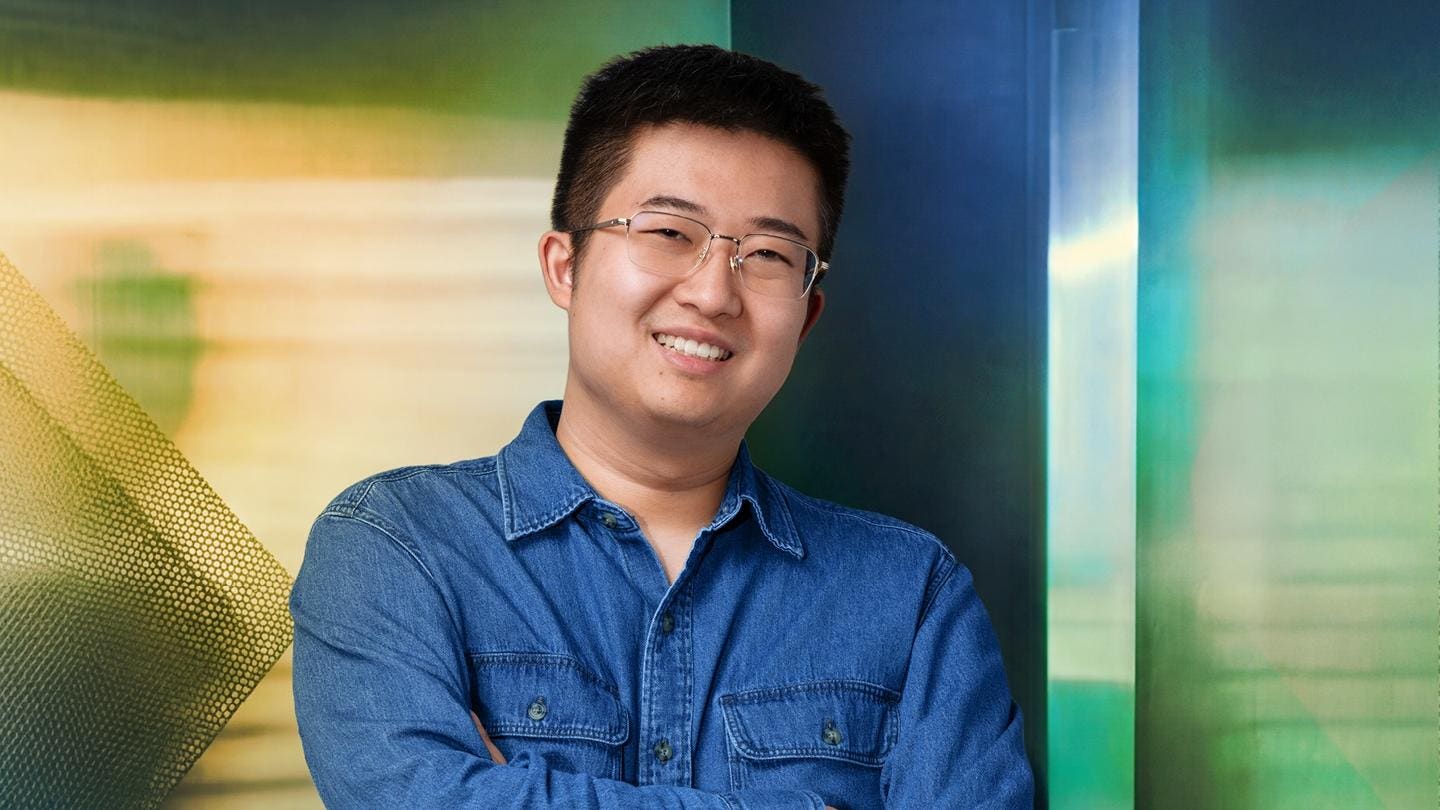
From AI-generated 3D content to intelligent agents, this year’s AI entrepreneurs are expanding the technology’s use cases.
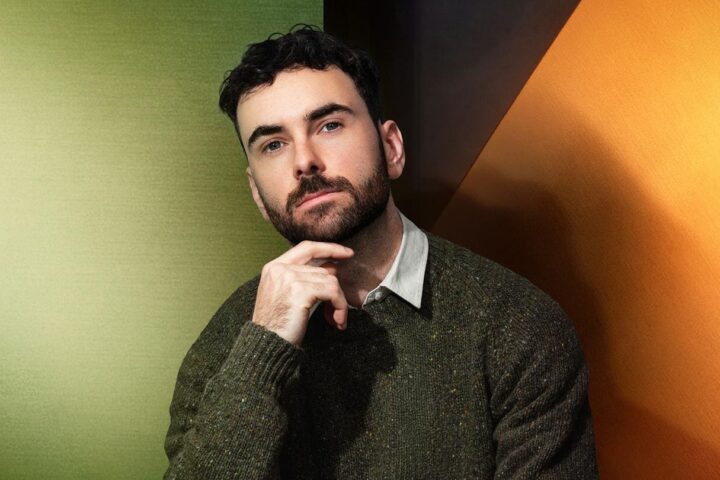
IIt may take several hours, It even takes days for game creators and users to produce in-game 3D content, but Chinese startup VAST’s Tripo AI platform can convert images and text cues into detailed 3D objects in seconds. Since its launch three years ago, VAST has attracted nearly 10 million individual users as well as 90,000 studios and companies, such as Chinese internet giant NetEase and Japan’s Sony, according to founder Simon Song, an avid gamer and anime fan. Corporate clients charge per project, while individuals pay $20 to $140 per month for the service, which can be used in areas beyond gaming, such as animation and industrial design.
“Artificial intelligence unleashes people’s creative impulse,” Song said. Next up is a TikTok-like platform where users can share 3D content they create using Tripo AI, which will launch this year.
Song is one of 12 Chinese entrepreneurs on this year’s list Forbes Asia 30 Under 30: Artificial Intelligence List They use cutting-edge technology as their primary tool for innovation.
The 28-year-old founder majored in economics and international studies at Johns Hopkins University and returned to China in 2019, where his first job was as an assistant to Xu Li, co-founder and CEO of Hong Kong-listed artificial intelligence software company SenseTime. Two years later, he co-founded artificial intelligence model developer MiniMax, but left the company in 2022 to form VAST. (Today, MiniMax has a market capitalization of $31 billion after its initial public offering in Hong Kong in January.)
VAST, which raised $50 million in March to fund research, competes with large companies such as Tencent Holdings Ltd. and other startups including U.S.-based Meshy. The round was led by Alibaba Group and private equity firm Hengxu Capital at an undisclosed valuation.
Artificial intelligence unleashes people’s creative impulses.
Others betting on the potential of AI in producing 3D content include Liu Zidong, Yang Mingzhuo and Zhuang Ziyang. Chinese trio co-found spatial intelligence startup Shenzhen Shenqing Technology 2023. The company develops AI models that turn image cues into realistic 3D environments, appealing to users such as game developers and interior designers, who can easily test ideas and present 3D renderings to potential clients.
In Thailand, Thanapong Songjie co-founded space artificial intelligenceis a Bangkok-based SaaS startup bringing generative artificial intelligence to the architecture and interior design industry. Spacely AI tools help architects, interior designers, and real estate agents work faster and more efficiently, eliminating tedious, repetitive tasks from the process, such as floor plan conversions and photorealistic renderings. In July 2025, Spacely AI raised $1 million in seed funding led by PropTech Farm Fund III, following a pre-seed investment from SCB 10X.
agent artificial intelligence
Entrepreneurs on the list are also building agent AI services to automate complex tasks such as drafting business proposals and presentations.
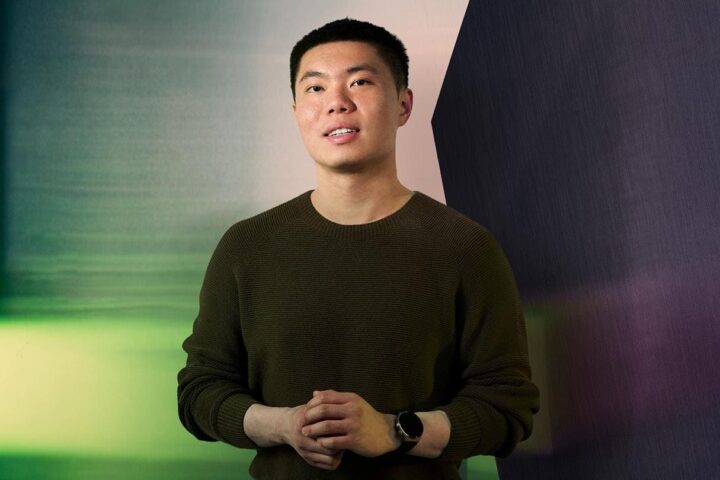
Co-founder Derek Nee and Wu Yichen roll out Flovisan agency AI startup, 2023. The Shanghai-based company’s services can assist with tasks ranging from generating business insights to launching websites and creating video content. Powered by large-scale language models (including Google’s Veo 3.1 and Chinese short video company Kuaishou’s Kling series), Flowith can generate web pages based on text prompts in seconds. The company has raised $9 million from HSG (formerly Sequoia China), LongRiver Investments and Vertex Ventures.
Flowith co-founders Derek Nee and Wu Yichen.
Provide photos
Also in China, high school classmates Elena Chung and Li Wenxuan co-founded Thetawave artificial intelligence 2023. Helping college students capture, organize, and personalize learning materials. The Beijing-based company has developed an artificial intelligence app that can record audio, video, text and files and convert them into customized learning tools such as flashcards and quizzes. Thetawave AI has raised more than $7 million in funding from investors including BAI Capital (formerly Bertelsmann Asia Ventures), Hillhouse Ventures, MBA Fund and MiraclePlus.
Stationed in Hong Kong Andrew Chen established spiritual universeoperates the Macaron AI digital assistant service. Powered by algorithms from the company’s Mind Lab, AI agents can learn from interactions with users and understand their preferences. It can then help create personalized tools, such as baby meal plans or digital clothing assistants. Mindverse has raised more than $20 million from investors including Ant Group, HSG (formerly Sequoia China) and ZhenFund.
Business use
Companies on this year’s list are also building AI agents for specific industry uses to help companies maximize efficiency.
In Korea, Xin Jie En While working at StyleShare, a Korean social e-commerce platform, he personally experienced the operational difficulties of brand management, and later launched and operated his own fashion brand. He realized that many tasks, such as inventory reconciliation, market analysis, customer experience, and influencer outreach, could be automated through AI. In July 2025, he founded Vibesa company that develops artificial intelligence agents for brand backend and research functions. The startup said it has four enterprise customers and is expanding into North America. Vibers has raised $1.6 million so far from Kakao Ventures, SNU Holdings and government grants.
Alisa Rae, founder of Lucent Technologies
Provide photos
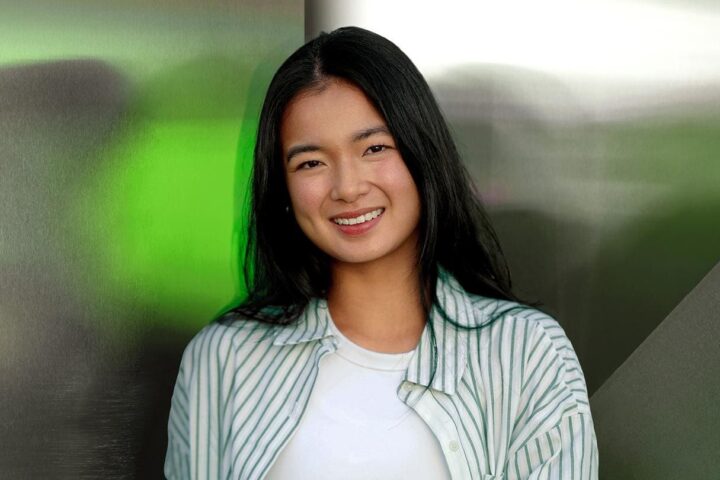
2025, Alyssa Ray Founded in Sydney Lucentdesigned to improve user experience and increase user retention. The company’s artificial intelligence software connects with digital products to monitor and analyze user behavior, replay sessions to understand what users are trying to do, and detect errors as well as interface design issues. Last year, the company raised A$2 million ($1.3 million) in pre-seed funding from investors including Browder Capital, Long Journey Ventures and Weekend Fund.
Also in Australia, Liam King and kunalwankadala co-founded Hast By 2023, automate corporate legal and compliance reviews. The startup has developed an AI agent that can track regulatory changes that may impact the business, monitor content such as product descriptions or social media posts to ensure brand and regulatory compliance, and alert users if issues arise. Hastert said its products are used by customers in a range of industries including retail, financial services and telecommunications. The startup has raised nearly $20 million in funding, including a $12 million Series A in April led by Peak XV Partners.
Read our full AI list here – And be sure to check out our full content Forbes Asia 30 Under 30 2026 Coverage here.