The Tamesis
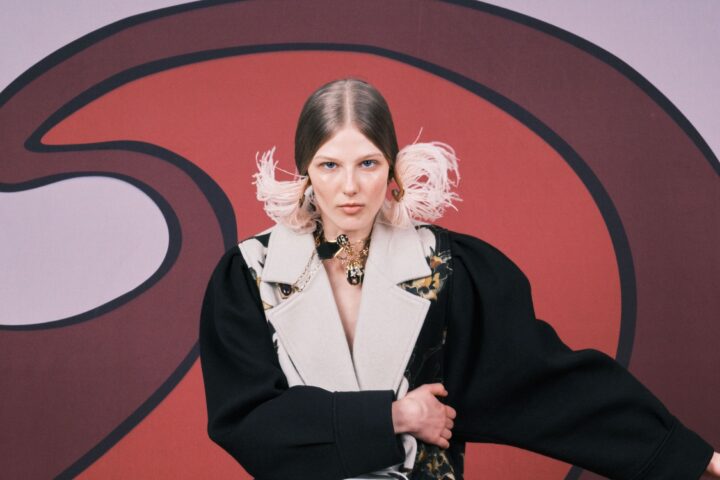
Tokyo Fashion Week has a contagion problem. Many of the city’s local designers have begun unplanned presentations, with more than 10 brands holding fashion shows and conferences on seemingly random days in January and February.
For these designers, the unplanned thing is grabbing money before it runs out. After Paris, buyer budgets will be squeezed; to gain an advantage in the global market, Japanese brands need to ensure they are not left last.
As a result, fashion week in Japan’s capital now has an unsettled feel. The change marks a major challenge for Rakuten’s officially sponsored Tokyo Fashion Week, which is scheduled to take place from March 16 to 21 this season. The Japan Fashion Week Organization (JFWO) first postponed the event last year due to changes to the International Fashion Week schedule, the impact of which is now being felt.
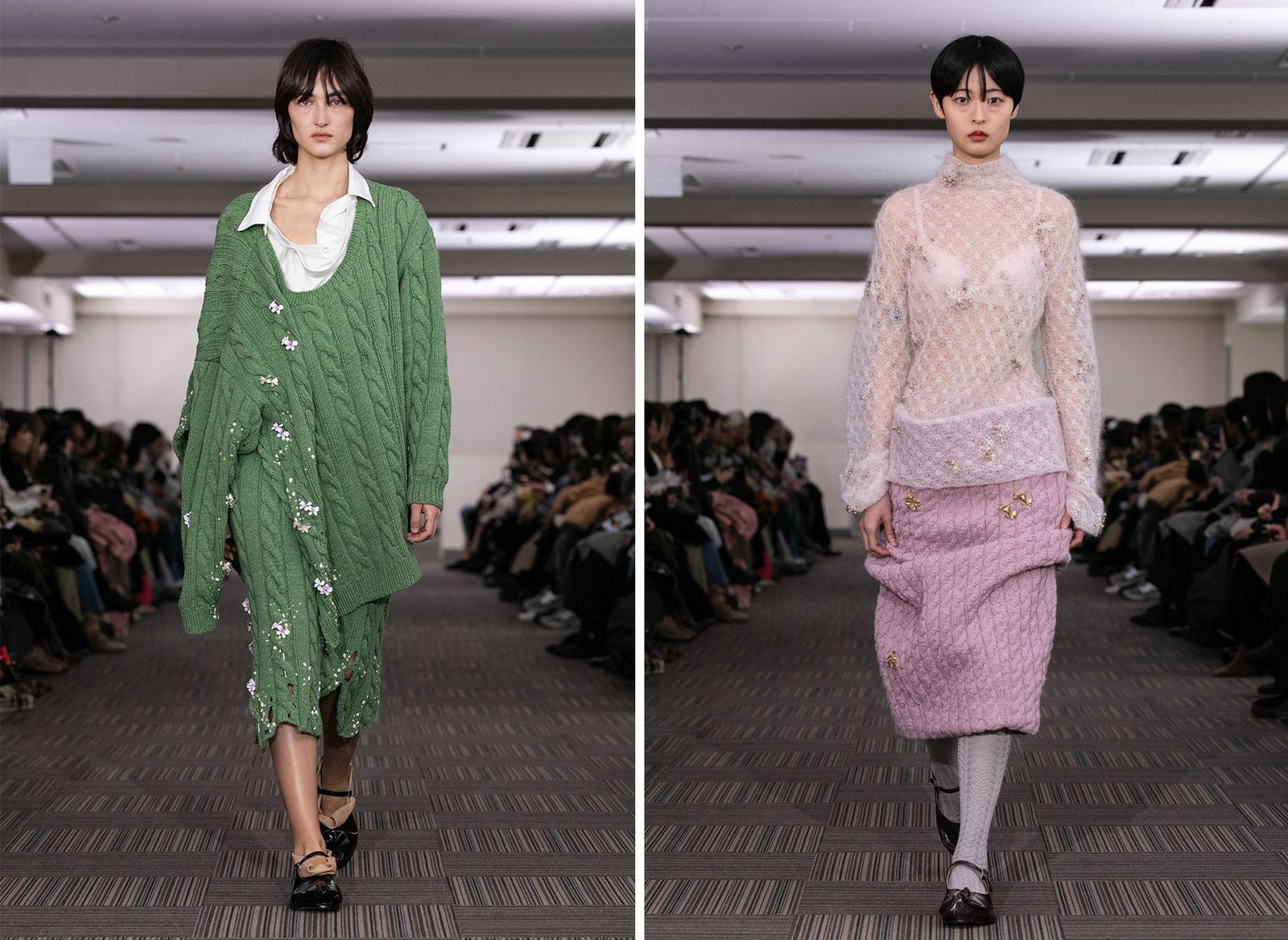
There are 33 designers on the main calendar, compared with 37 last year (the number is filled by the annual Tokyo Fashion Awards – as part of the awards, the eight winners have to show during the autumn and winter seasons). However, there are few big-name stars, but those who escaped from the main show include streetwear menswear brand Kamiya, knitwear brand Pillings and womenswear brand Fetico, weakening the influence of the main show. So there’s an identity crisis brewing at Tokyo Fashion Week. How will it adapt if key talent leaves?
Production planning becomes increasingly competitive
Production scheduling challenges are the main reason brands are delaying shows and taking them away from major fashion weeks, with brands competing for a shrinking number of factories, creating production bottlenecks. As Japan’s population ages and shrinks, especially in rural areas, designers report that there are fewer and fewer factories taking orders from them every year. “Recently, good factories and fabric manufacturers are limited, so the sooner you do it, the better,” said Hirofumi Kurino, co-founder of United Arrows.
“If everything was done within a week and all the designers showed together, of course it would be more convenient for journalists or buyers, but at the same time the production problems are real,” he added. “They better show it soon, otherwise all the designers will be rushing into the same factory at the same time.”
“I originally planned to hold a show during the main Tokyo collections as usual, but the production schedule was difficult, so I had to move forward,” said Ryota Murakami, a designer at eccentric knitwear brand Pillings, whose February show was an early highlight of the season. The brand continues to grow in influence among the media and buyers, and was shortlisted for last year’s LVMH Prize.