The Tamesis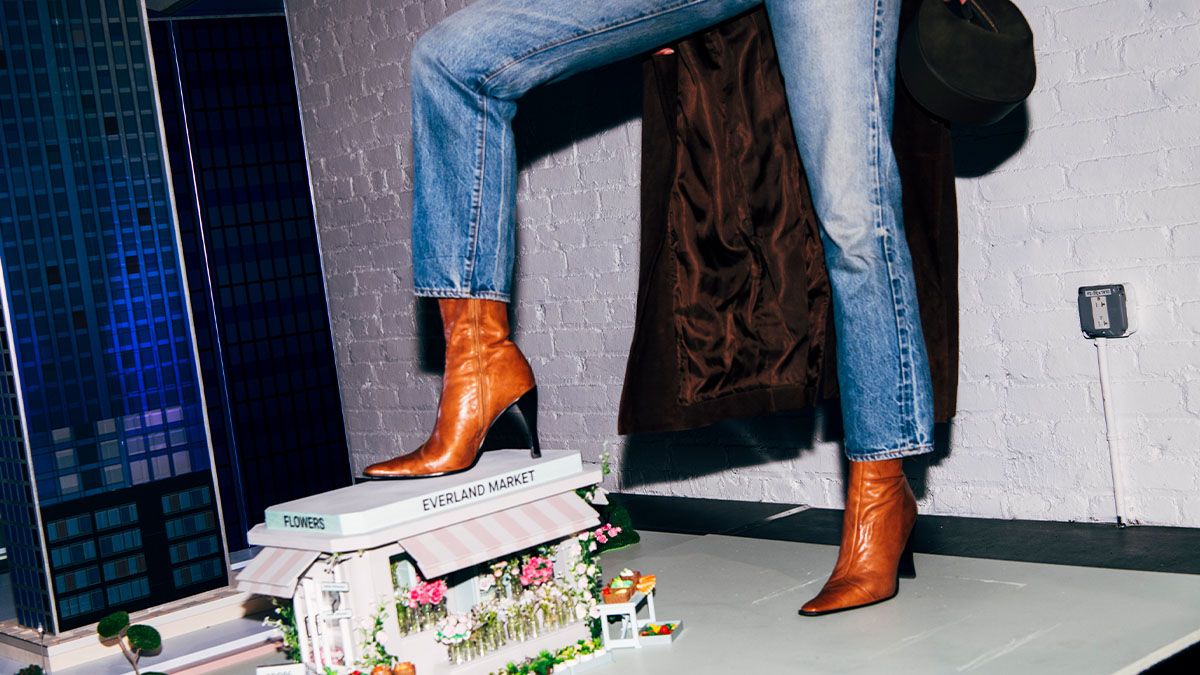
Ultra-fast fashion giant Shein plans to acquire former sustainable fashion prodigy Everlane in a deal that values the latter brand at $100 million. puck reported. If there was a metaphor to describe the state of sustainable fashion in 2026, it would be this.
Launched in 2011, Everlane was born in an era of “ethical capitalism” and millennial optimism, when the general consensus was that the most sustainable thing people could do was eat a vegan diet, boycott air travel, and pour money into brands that went against the status quo. Everlane was well-positioned to take advantage of its promise of “radical transparency” on pricing and supply chain, and its premium infrastructure quickly gained a loyal following, not to mention a $600 million valuation at its peak in 2020.
So when unconfirmed reports of the deal began circulating online on Sunday, shockwaves were sent through the sustainable fashion world. On LinkedIn, industry leaders decried the “end of an era,” drawing parallels with last month’s equally shocking news that sustainable sneaker brand Allbirds — another darling of the direct-to-consumer (DTC) craze — is rebranding as an artificial intelligence company. “What’s the point of all this?” wrote one user on LinkedIn, one of many who second-guessed their careers in the wake of the Everlane news. “Is this industry really capable of change?” I wrote another article.
The backlash from Everlane followers was equally swift and decisive. “Everlane just destroyed their entire customer base,” one Instagram user commented on the brand’s latest post. Another added: “The hypocrisy is appalling.”
LVMH-backed investment engine L Catterton acquired a majority stake in Everlane in August 2020, reportedly paying $85 million as the lead investor in Everlane’s Series F financing. Neither Everlane nor L Catterton responded to requests for comment on the Shein acquisition report; Shein declined to comment. Competition lawyer Alex Stratakis, a partner at London law firm Pinsent Masons, explained that the lack of documented confirmation could mean the deal has not yet been signed. Therefore, formal confirmation and closing may take several months, pending regulatory approval. He added that it’s difficult to predict how complex the process will become.
“The products offered by these two companies are very different – in my opinion, one is very sustainable and the other is not sustainable at all – and they exist in the very competitive fashion retail sector, so I don’t see why any competition authority would be worried about losing competition,” Stratakis continued. The deal could run into trouble on national security grounds as the U.S. government’s “erratic” approach could try to block Chinese acquisitions on the grounds of protecting U.S. consumer data. But Stratakis said this was “beyond speculation” at this stage.
Meanwhile, critics are pondering the apparent dissonance between Everlane and Shein, which has been roundly condemned for alleged labor violations and worsening environmental impacts, with U.S. and British regulators even stepping in to block its Western IPO ambitions, citing ethical concerns. But the deal makes more sense than it initially seems.
Everlane launched with a message of radical transparency, sharing how much it costs to make its garments and the markup applied. The company later expanded this approach to include listing its factories and showing consumers that its clothing is the product of ethics- and transparency-led decisions, such as clean chemistry or responsible forestry. But the brand’s sustainability efforts took a hit in 2020, when this new york times Its promises came true amid accusations of union busting and a chaotic internal culture. (At the time, co-founder Michael Preysman issued a statement saying the company had “urgent work to do to rewrite Everlane’s code of ethics.”) Sales struggled, and things got worse when consumers started demanding more than basic design.