The Tamesis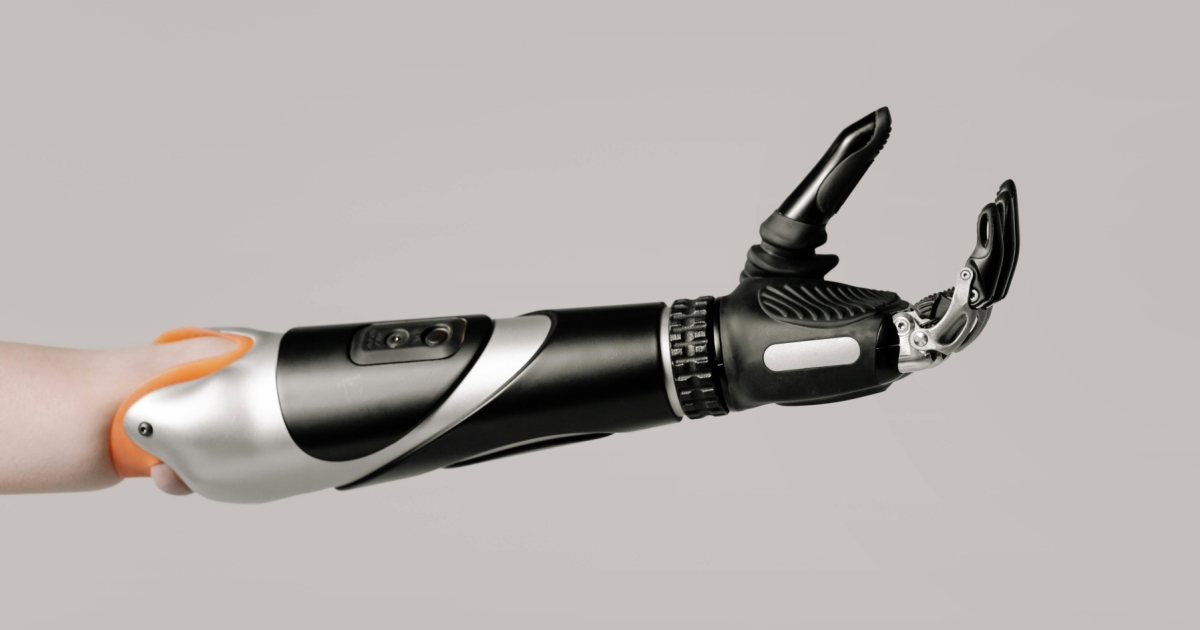
Hospitals force robot growth to end workforce crisis.
According to Values Reports, the global human augmentation technology market is expected to grow from US$1.05b in 2024 to US$3.16b in 2031, representing a CAGR of 17.4%.
Human augmentation technologies include advanced prosthetics, wearable assistive devices, rehabilitation technologies, and exoskeletons that support physical, cognitive, and sensory functions.
These tools also help reduce physical stress on healthcare workers and improve patient outcomes.
The use of human augmentation technologies is expanding in industrial and occupational health settings where they can improve worker safety and prevent injuries.
Healthcare remains a major focus as the system addresses workforce shortages and care needs.
Demand is the main driver as the aging population and rising chronic diseases increase the demand for long-term care and rehabilitation solutions.
Analysts pointed out that society’s acceptance of assistive technology continues to increase, and people’s concepts are shifting from future “human augmentation” to actual medical and health applications
Wearable and assistive tools are increasingly being integrated into patient care, rehabilitation programs and preventive health strategies.