The Tamesis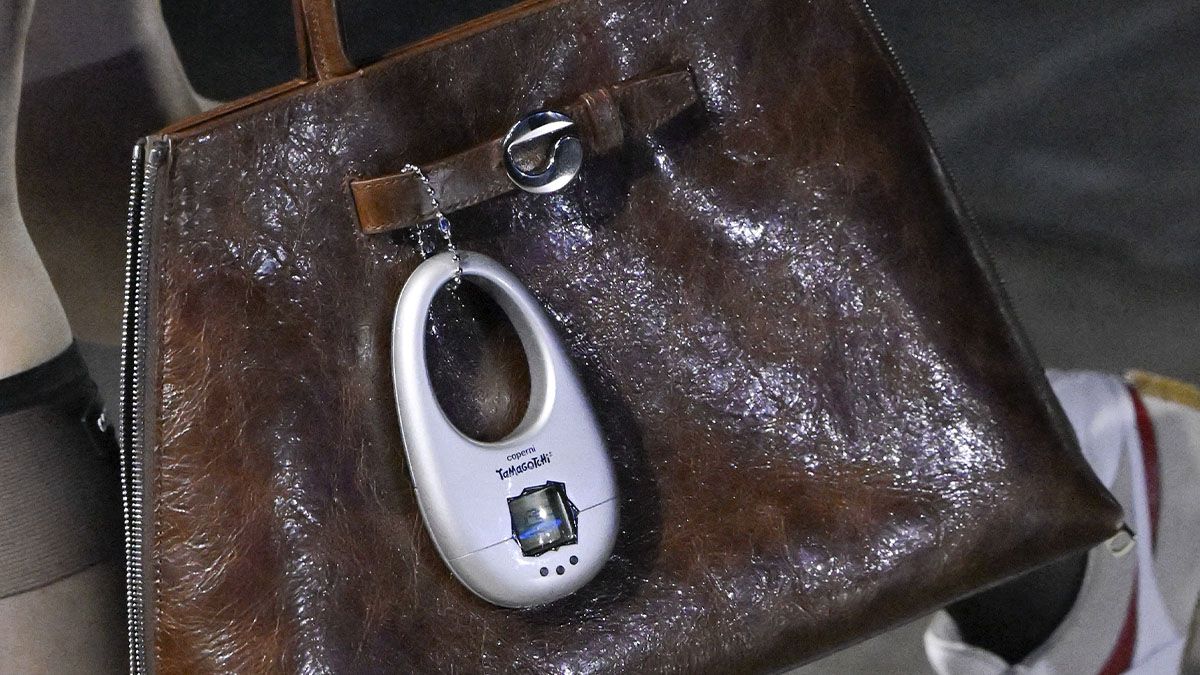
Last year, investment in artificial intelligence reached an all-time high. Nvidia became the world’s first $5 trillion company, the largest AI companies like Meta and Google boosted AI spending than previous forecasts, and OpenAI placed itself at the center of a multi-million dollar deal network focused on accelerating AI development.
By 2026, all this spending is likely to result in new products and features that impact how fashion brands sell online. Meanwhile, governments are racing to catch up and introduce laws to regulate the industry. The way AI is regulated across regions is expected to become more fragmented, experts say, putting the onus on brands to quickly establish their own AI guardrails and values.
This includes ways in which the fashion industry is using artificial intelligence models for creative output. Expect AI creative approaches to diverge by 2026, with brands either rejecting the technology entirely or leaning into the hyper-realistic looks it can create.
In response to this rapid technological development, brands will also tend to prioritize human connection and warm consumer technology products. On the consumer side, experts say we may see the tech wear trends that emerged last year as accessories grow in 2026.
Here are the hottest fashion tech trends for 2026.
Advertising will enter a new AI era
This year, expect paid advertising in the commerce space to change as consumers increasingly turn to AI-powered search for their purchases. ChatGPT maker OpenAI reorganized into a for-profit business late last year, and experts predict that advertising revenue will become an inevitable part of the platform’s near future.
Meanwhile, paid advertising has become part of the business models of rivals Google and Amazon. In late 2025, Amazon launched Sponsored Prompts in its AI assistant Rufus, where brands can bid on follow-up questions in AI conversations as consumers shop. For example, if a customer is searching for leather handbags, a brand can pay to have an AI assistant recommend its product and describe it based on the brand’s own product descriptions to answer certain questions.
“With what Amazon is launching, the future of advertising is already here,” said Max Sinclair, an expert in artificial intelligence search. He predicts that by 2026, other artificial intelligence platforms will follow in its footsteps and launch chat ads instead of traditional visual ads in the sidebar. Meanwhile, OpenAI CEO Sam Altman has been publicly cautious about balancing advertising with maintaining consumer trust. A model like Amazon’s could contradict the personalized recommendations promoted by the AI giant’s “Shopping Research” feature, which it plans to release in late 2025. One thing we do know is that when the company rolls out ads in the near future, they will be ads that Altman said he considers “thoughtful and tasteful.”
Artificial intelligence becomes the fashion marketing game
Consumers and creatives alike are grappling with what “authentic” means in an AI-augmented world. In 2025, this feeling is strongest in creative activities. When brands started experimenting with AI-generated images and videos, they mostly faced backlash on social media, criticizing their work as “AI bullshit.” Of the early experiments, the campaigns that received the most criticism seemed to be the most realistic ones, or those that relied on archival images, with the technology being seen as unnecessary and making humans appear obsolete.
Hinting at a new trend, brands are beginning to purposefully lean into hyperrealism as a way of approaching AI-generated imagery. In the context of rapid technological change and socio-political turmoil, fashion brands’ marketing strategies have leaned towards the hyperreal, providing consumers with a way to escape reality. Creatives say that by 2026, we will see more brands leaning into so-called “AI slop” aesthetics as a smart way to capitalize on technology’s entropic tendencies, leaning toward AI-generated aesthetics to grab attention and de-saturated information flows.