The Tamesis
Leading in 2026 may not be as difficult as in 2025.
Luxury brand executives have been busy grappling with an economic downturn and a host of challenges, including tariffs, geopolitical insecurity, difficulties in China’s real estate sector and low consumer confidence, as well as creative transformation. For jewelers, they face the problem of rising gold prices.
“One of the most important challenges facing the industry will be the reconquest of aspirational middle-class Western consumers,” said Luca Solca, a luxury goods analyst at Bernstein.
According to HSBC, the luxury goods industry is expected to grow by 6.5% by 2026, broadly in line with the industry’s historical average. “We believe there will be a strong start to 2026, with consumers receiving better value propositions from brands and a sales recovery in the US and Greater China leading geographically,” HSBC analysts wrote in a note.
This should come as a relief to luxury brand executives. We reached out to leaders at LVMH, Chanel, Kering, Richemont and LuxExperience to ask them to share their aspirations and predictions for the year ahead.
Bruno Pavlovsky, President of Chanel Couture and Chanel SAS, President of the Federation de la Haute Couture et de la Mode (FHCM)
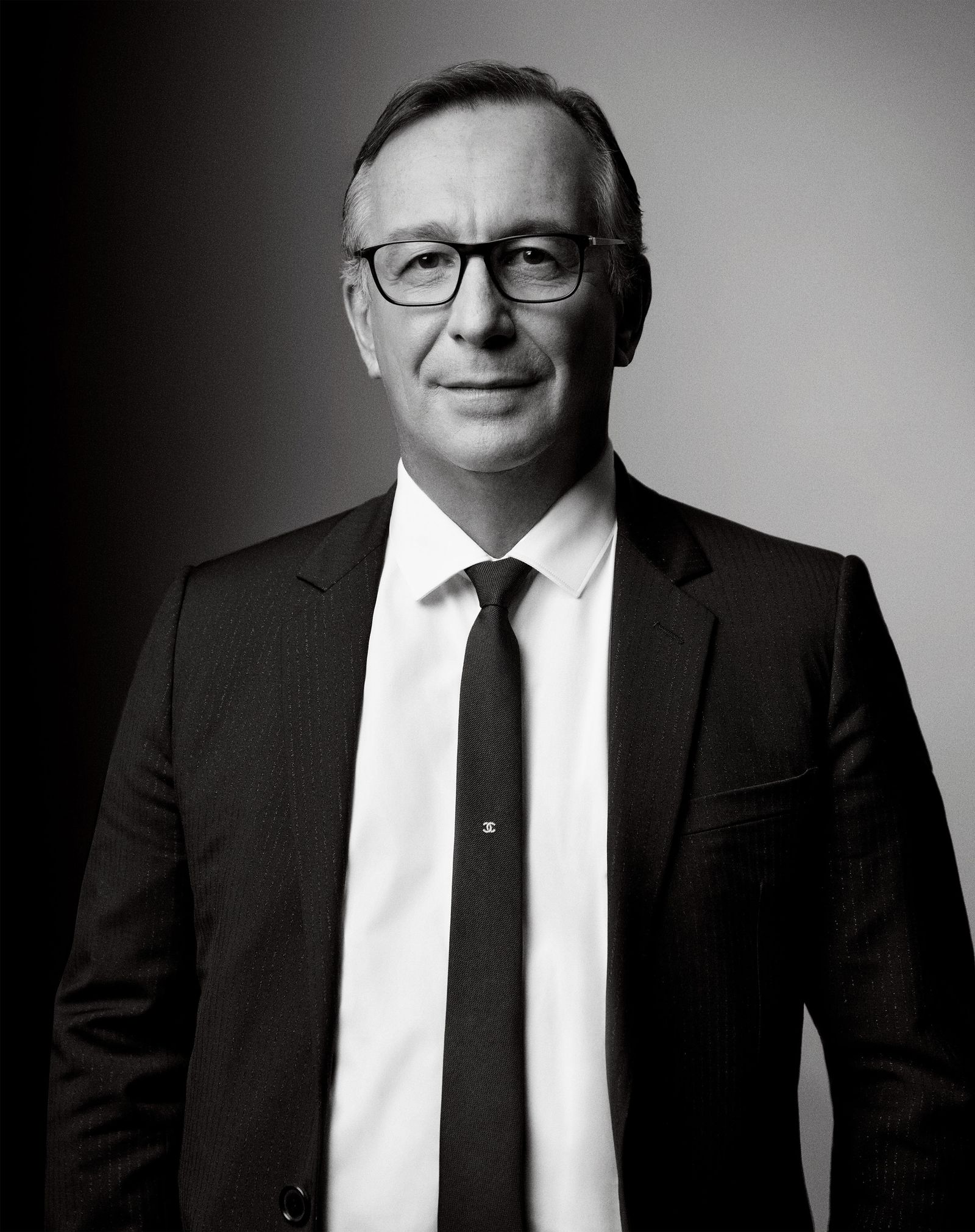
We really have to steer things very carefully and smartly while continuing to let people dream. If luxury itself becomes boring and no longer inspires dreams, then it ceases to be luxury. So we’re constantly living in this paradox, and that’s what makes this industry so fascinating: continuing to take risks in places we don’t necessarily expect, continuing to deliver something truly unique and remarkable, while also addressing real-world macroeconomic challenges.
We must never forget that we are also about making our customers’ dreams come true, preserving the creative dimension so that everyone – our customers, but really everyone – can see the brand with respect and desire. This is still the most important thing.
Myriam Serrano, CEO of Alaïa, a fashion company owned by Richemont Group