The Tamesis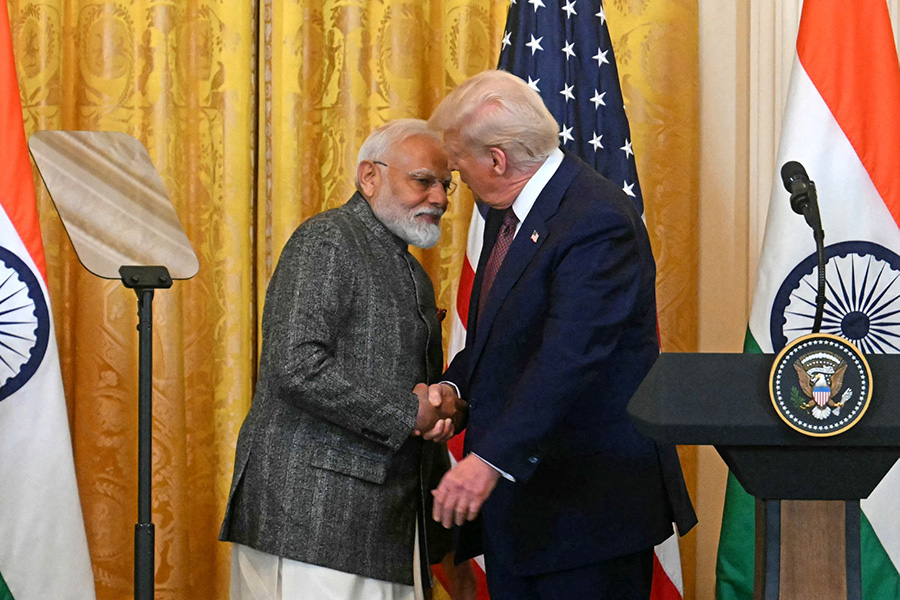
January 6, 2026
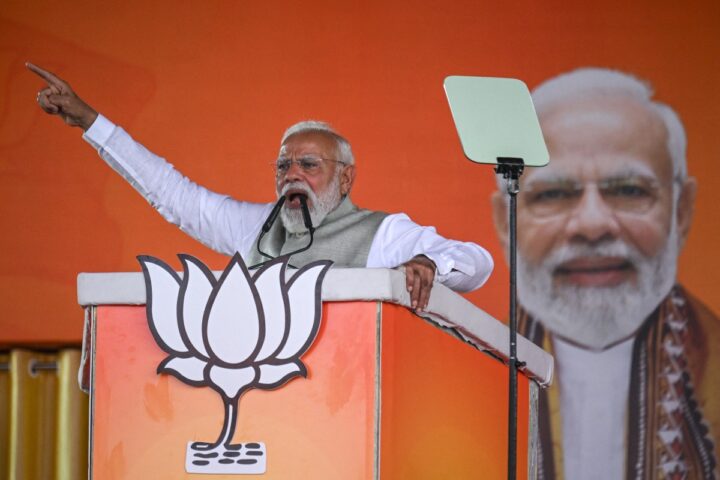
New Delhi – Congress launched strong criticism of Prime Minister Narendra Modi on Monday after the United States renewed its warning linking higher tariffs on Indian exports to New Delhi’s continued purchases of Russian oil. Senior Congress leader Jairam Ramesh accused the government of relying on a personality-driven foreign policy that failed to deliver concrete benefits to the country.
In a post on X, Ramesh noted that the prime minister’s well-publicized personal relationship with the US president has not deterred economic pressure on India. “The Prime Minister’s good friends in the White House continue to adopt a ‘hot and cold’ attitude towards India,” Ramesh wrote, referring to repeated U.S. threats on trade and energy issues. “He once again threatened to impose higher tariffs on U.S. oil imports from India if India does not stop buying oil from Russia.”
Ramesh also criticized optical diplomacy in recent years, saying: “All those Trump Namaste, Hello Modi events, all those (forced) hugs and all those social media posts praising the US President have done almost nothing.”
Uncertainty is growing over India-U.S. trade relations, with the United States increasing pressure on countries that trade energy with Russia, while geopolitical tensions remain high. India insists that buying discounted Russian crude is a sovereign decision to ensure access to affordable energy and that the deals comply with existing international sanctions.
While the Modi government has emphasized strengthening the India-US strategic partnership – citing defense cooperation, technological cooperation and growing bilateral trade – Congress has argued that high-profile public events have not translated into consistent policy advantages for India. Ramesh’s comments echoed concerns among the broader opposition that India’s foreign policy has become overly reliant on personal chemistry between leaders rather than strong institutional diplomacy, leaving India vulnerable to sudden shifts in U.S. trade and tariff policies.
With the prospect of tariff hikes looming again, the issue is set to intensify the political debate over how India balances strategic autonomy, energy security and economic interests amid an escalating global power competition.