The Tamesis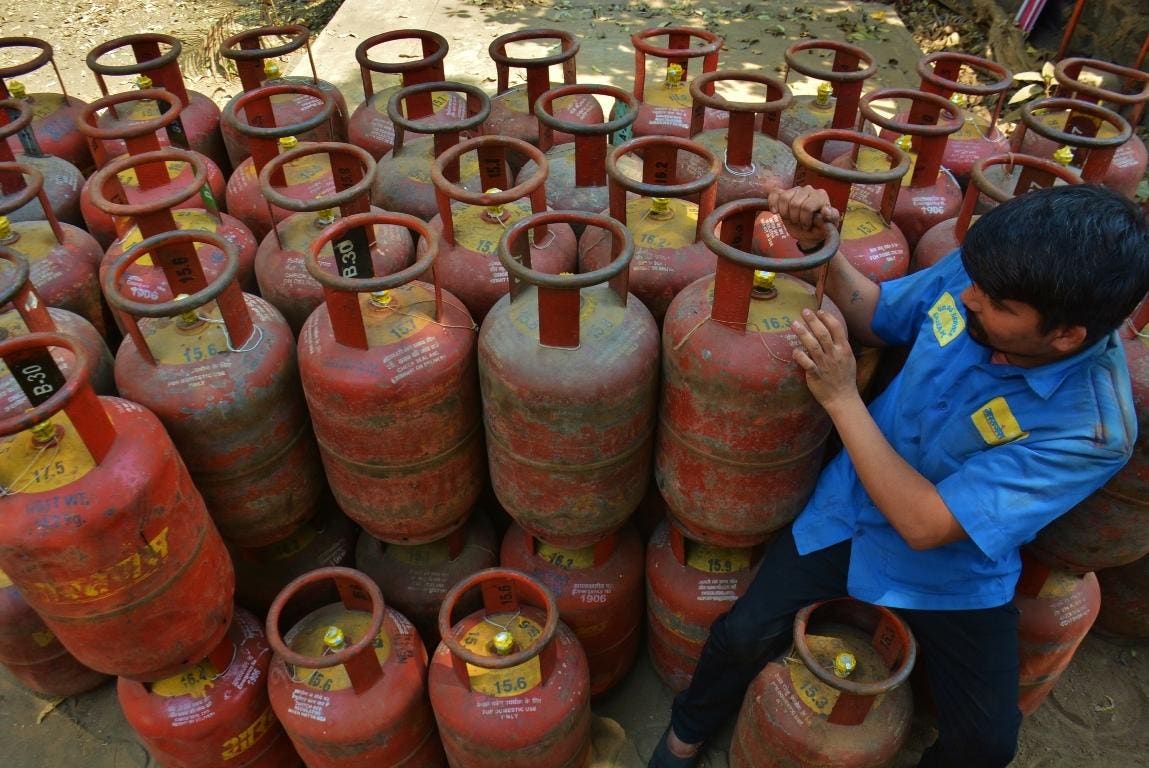
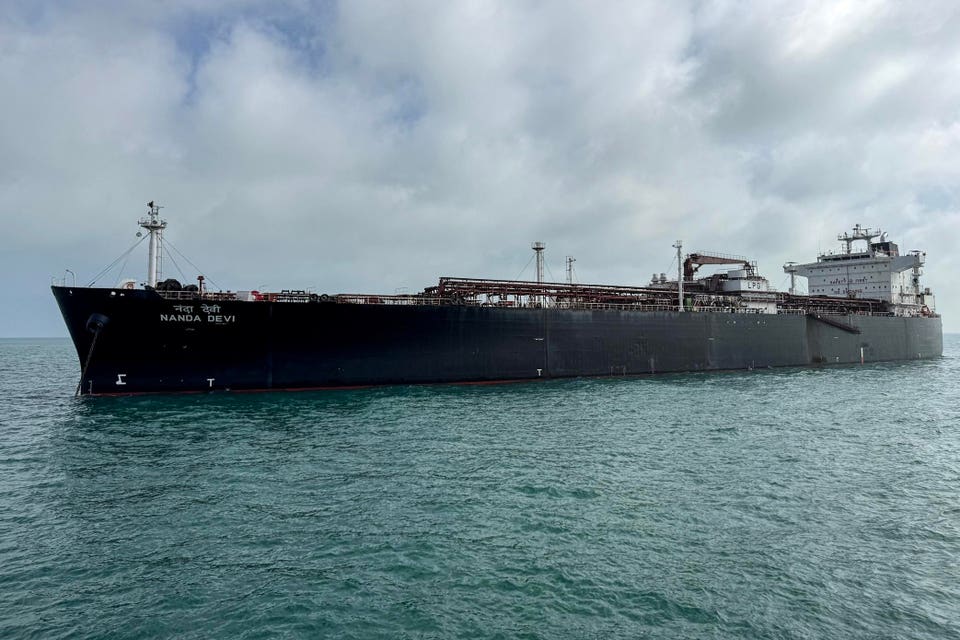
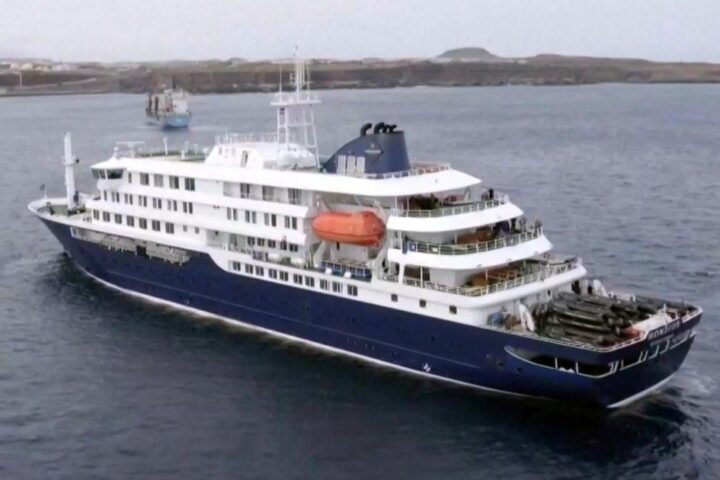
On March 17, 2026, the Indian ship “Nanda Devi” carrying liquefied petroleum gas (LPG) arrived at Vadinar port in Jamnagar district of Gujarat after Iran allowed it to pass through the Strait of Hormuz. The Strait of Hormuz is a vital energy corridor still disrupted by war in the Middle East.
AFP via Getty Images
The Iran war has led to high oil prices and shortages of fertilizers, LPG and LNG, resources that are imported from the Gulf and are critical to sustaining different sectors of the Indian economy.
India is an energy deficit country. About 60% of the country’s total LPG demand is imported from abroad, with the majority of imports coming from Qatar, the United Arab Emirates, Saudi Arabia and Kuwait.
During the conflict, nearly 90% of India’s LPG imports passed through the crucial Strait of Hormuz, which was closed for transshipment. Saudi Aramco’s largest refinery in Ras Tanura was attacked and Qatar has halted liquefied natural gas production after an attack on its Ras Laffan plant. This has forced the Indian government to issue a notification prioritizing household cooking gas (liquefied petroleum gas) and restricting its allocation to factories and businesses for commercial use.
Due to a shortage of commercial LPG, its prices have soared. About 80% of restaurant kitchens rely on LPG, so independent restaurants have had to shut down their operations. Hotels, restaurants and caterers are working to secure gas bottles, leading to changes to menus. Shares of food delivery companies (Eternal and Swiggy) fell as restaurants faced restrictions in fulfilling orders from delivery platforms.
The shortage of LPG has halted operations at factories that rely on LPG to power machines that package snacks, chips, cakes and biscuits. Additionally, the cost of automobiles and electronics is also expected to increase as these depend on imported petroleum derivatives such as polymers, paints, adhesives, plastics, resins to produce their products.
In the transportation sector, nearly 60% of technical grade urea (TGU) is imported from Dubai and Egypt. It is a key ingredient in the production of diesel exhaust fluid (DEF) used in large diesel commercial vehicles and passenger cars. “Any disruption in the supply of DEF will paralyze a significant portion of the country’s freight transport fleet, potentially disrupting logistics operations, the movement of essential commodities and the entire supply chain,” SIAM said in the letter.
Meanwhile, a severe shortage of propane, which is necessary for plants to generate steam, has forced several pharmaceutical plants across the country to scale back operations, threatening supplies of vital medicines such as paracetamol, antibiotics and vitamins.
India’s urea production relies heavily on LNG imports. Urea is one of the most widely used fertilizers and some urea companies in India have closed plants after Qatar suspended LNG supplies due to the war with Iran. Any shortage of urea can wreak havoc during the rabi sowing season.
However, there is a glimmer of hope. Not every industry is negatively affected. Consumer demand for induction cooktops, electric kettles and air fryers has surged. Shares of electric cooking solutions company TTK Prestige surged in March. Supermarkets and online stores are also doing brisk business as ready-to-eat and frozen vegetables are flying off retail shelves.
The Indian defense sector has been one of the best-performing sectors in the Indian stock market since hostilities began. Motilal Oswal Financial Services said the Indian defense sector is well-positioned to benefit from increased domestic procurement and increased export opportunities, supported by the government’s push for indigenization and its growing reputation in the global arms market.
Cloud computing companies are evaluating measures to redirect data center workloads from Dubai, Abu Dhabi and Oman to safer locations such as India as drone attacks on Amazon Web Services data clusters disrupted key operations in the Gulf region.
India has more than 1,800 Global Competence Centers (GCCs), which are likely to grow stronger as multinational companies seek to reduce risks in high-risk areas and accelerate their India initiatives.
Additionally, the Indian government is innovating solutions to address the problems posed by the conflict. The state-owned CSIR-National Chemical Laboratory (NCL) is looking to expand the scale of its recently set up dimethyl ether (DME) pilot plant, which scientists say can serve as an indigenous alternative to LPG.
An undersea LNG pipeline from West Asia to India could avoid the complications of the closure of the Strait of Hormuz. There is already a proposal for an undersea Middle East to India Deepwater Pipeline (MEIDP) from Oman or the UAE to Gujarat. This would provide a useful complement should such a crisis occur again.
However, each measure takes time to implement. India has received exemptions to import oil from Russia, but Indian refiners face stiffer competition for Russian energy after the United States allowed other countries to also buy Moscow’s sanctioned oil.
Currently, product supply chains are feeling the economic impact of the war. Any increase in petrol and gas prices after domestic elections in Assam, West Bengal and Kerala will increase inflation levels. This will reduce consumer demand, which has been trending upward due to the government’s reduction in excise duty revision in 2025.
Although growth will slow in the first half of 2026, the severity of the economic impact of the war will depend on how long the war lasts.
To deal with the volatile long-term situation, India’s Finance Minister Nirmala Sitharaman proposed the creation of a $6.2 billion Economic Stabilization Fund in March. The fund will provide India with the fiscal firepower to effectively deal with external headwinds, including massive supply chain disruptions caused by war in the Middle East.
India’s foreign exchange reserves decreased by US$11.68 billion to US$716.81 billion. These reserves are still close to historical highs and can provide about 11 months of import protection, providing an important buffer against external shocks.
But if the war in the Middle East intensifies and oil prices remain high, these reserves will face severe pressure. Ernst & Young reported that India’s economic growth may be eroded by 1%. According to the International Monetary Fund (IMF), India, like other countries, will find itself grappling with the onset of a global recession.
On the other hand, if the Iran war ends, global oil prices will fall back below $100, leading to a surge in domestic consumer demand in India. This could revive India’s economic growth to a higher level of 7.5% from the 7.4% forecast in December 2025, according to credit rating agency Fitch.