The Tamesis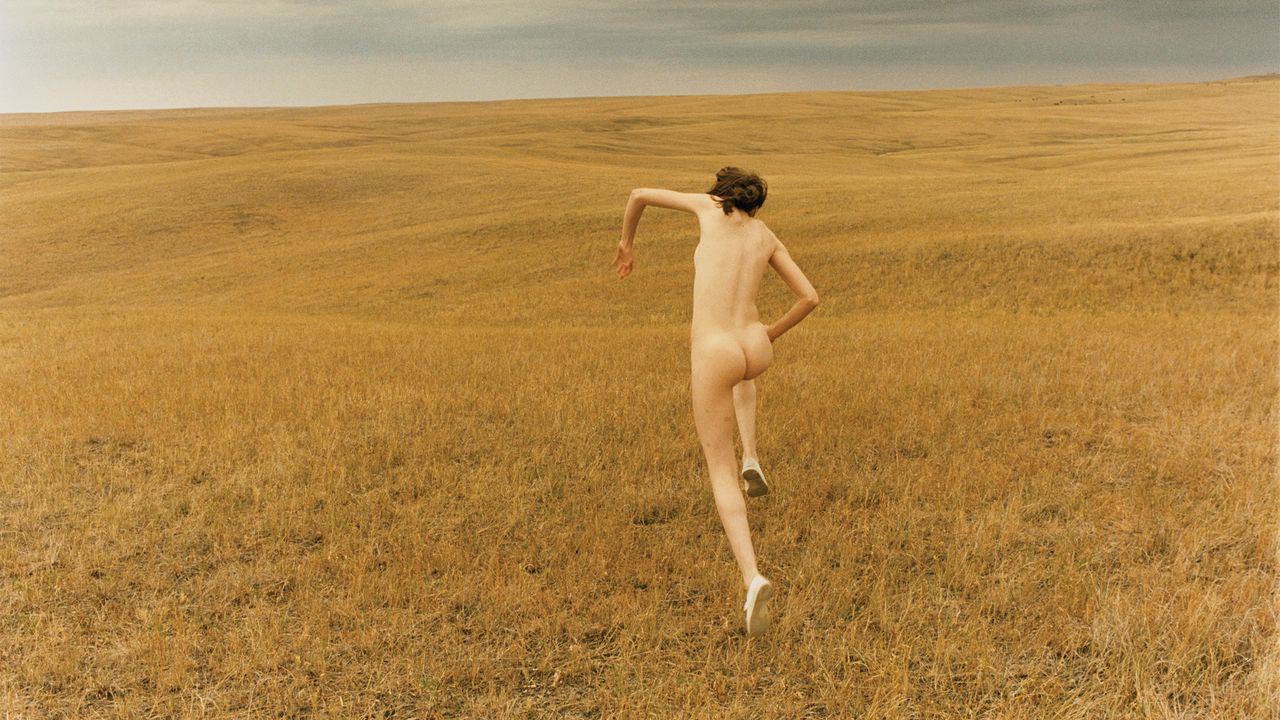
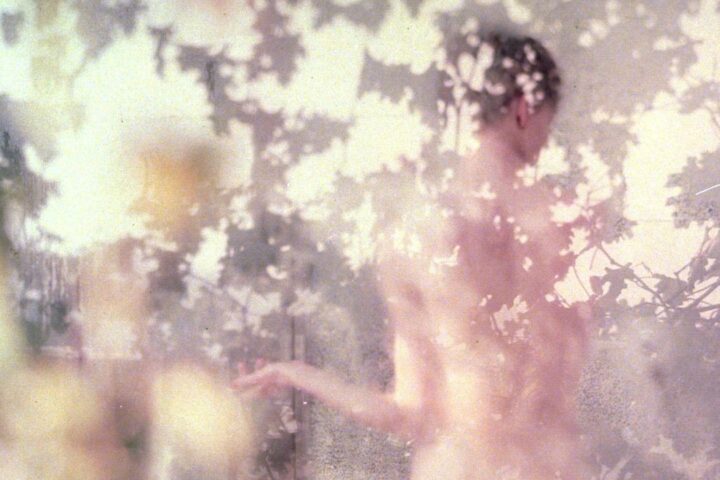
Most of us are freshmen in the life drawing class. First year art major. It’s strange to think about it now – the art department hired other college students as models. There’s no way they’re still doing this. But it was true at the time. Yes, sometimes the model was a white-haired guy from a small town in Vermont who brought a cane as a prop, and the guy was maybe a little too happy to strip down for us. But sometimes the model is another student, someone you might recognize from around the small campus, now taking off his winter coat and disappearing behind a folding screen, changing into a robe, a space heater warding off the cold.
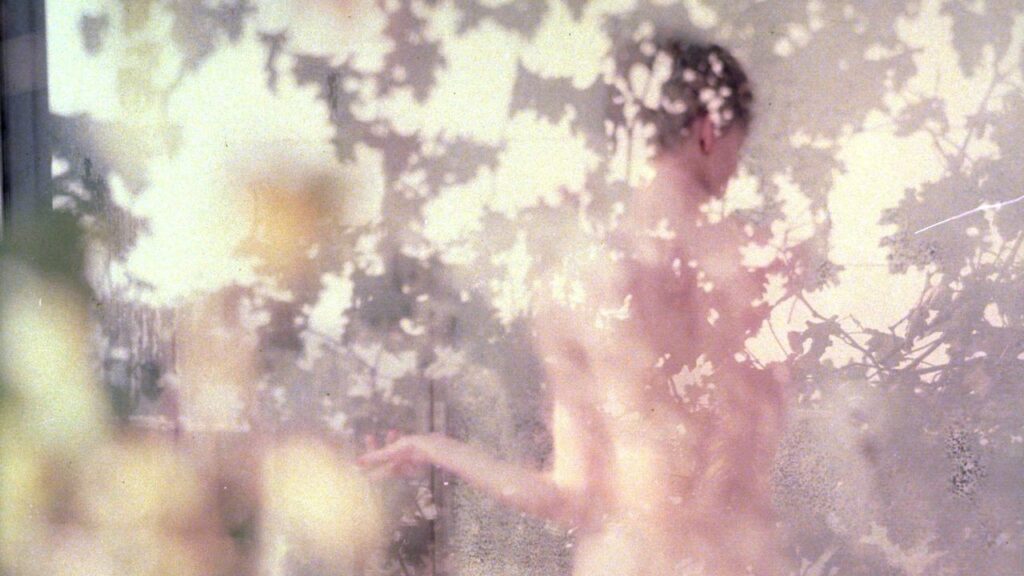
There is a wooden platform just a few inches above the ground. This is enough to divide us into those who watch and those who are watched. There was little ceremony as the models walked onto the podium, and the sudden nudity made the room tense. Everyone knows to be polite—even a little jaded.
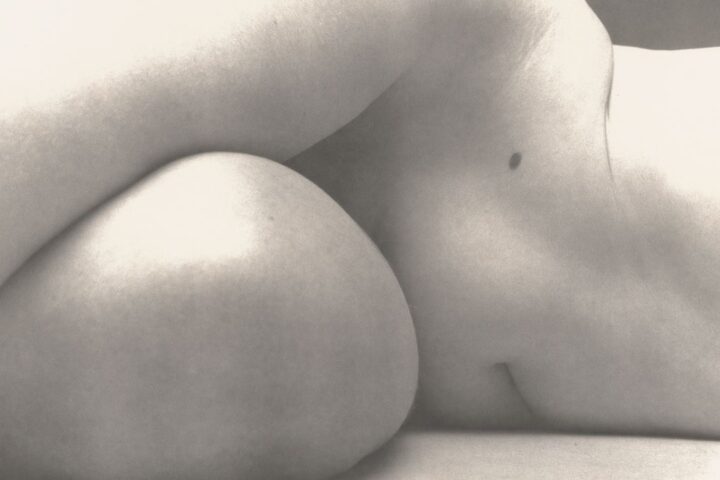
First, a 30-second series of poses. Before you have a chance to really think about nudity, your blank pages need to be filled. The teacher called time and the model moved. Too brief to scribble anything but the crudest masses of objects in space. Then there are longer poses. This is when you start to accept this person as a person – a real person, a real body. Like nudity in a hot spring or public bath, it’s not actually sexual, although it’s not entirely non-existent. Nudity is straightforward and endlessly interesting, until it starts to get boring, and then there’s the weird realization that naked people can be boring. Sometimes I feel this shift – the lines and shapes return to that moment of nudity, with naked classmates draped in towels sitting in a daze on folding chairs, their muscles shaking a little as they try to maintain their poses. When the timer went off and they stood up, the spell was immediately broken, and the skin on their backs turned red and imprinted with the texture of terrycloth.
Three hours with a few breaks in between. Sometimes, during breaks, models wandered around the studio in their robes, glancing at the work on our drawing boards and becoming one of us again.
There is a drawing book that is a popular source of studio practice, Draw the right side of the brain. Whatever neuroscience it cites is, I’m sure, flimsy and thoroughly debunked, but these exercises do help. Draw the model’s face without looking down at the paper. Draw the shape of the negative space between their torso and bent elbows. These exercises free us from established ideas about the subject we are trying to draw—our pre-existing image of an apple, or what a human face should look like—and put us in touch with raw visual information. There are things you have to learn – the interrelationship of the facial features, how the line of the neck slopes where it meets the shoulders, the difference between the imagined body and the real body.