The Tamesis
I was first told to lose weight when I was six, I learned to breathe in when I was eight, and I started starving myself when I was fifteen. Growing up, I believed success lay in the art of controlling and manipulating the body, and my particular art was seen as a problem. My grandparents would comment on what I ate. A friend’s mom would tell me how beautiful I would look if I lost a little weight. As my mother searched the women’s clothing department for clothes that would fit my nine-year-old frame, I flinched under the disapproving looks of wary strangers. I strive for perfection and get frustrated if I don’t get an A on a test, and I constantly strive to be seen as not just good, but perfect. The only thing I seemed to have no control over was my body.
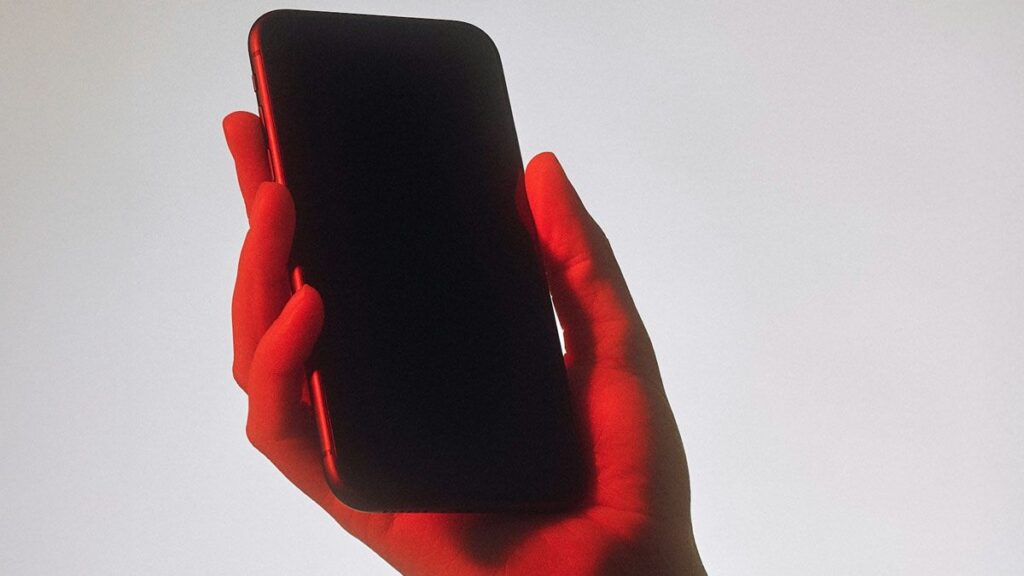
This feeling simmered for years until, deep in the awkward trenches of high school, I decided I was finally ready to wage the ultimate battle. It was 2017, Instagram was at its peak, and beauty lay in the lips and lips of white women pretending to be black. I attended an arts high school in Oakland, where the aesthetic was weirder and more eclectic, yet the girls who were admired by their peers were thin, curvy, and often racially ambiguous—a reminder that even in one of the country’s most progressive and rebellious cities, beauty ideals can still be as narrow as those depicted on our phone screens.
Most of us, myself included, are not born with this “ideal” body. As a biracial black girl, I received countless compliments for my green eyes, while attributes that were clearly black, especially the size and shape of my body, were harshly judged. My body shape doesn’t fit the trends. It is an object bound by trends, commodified and whitewashed.
I wanted to be seamless, perfect, and invincible, and in order to achieve that, I believed I needed to get slim. I started dieting and running a few miles after school. At home I carefully measured my waist. I ate two meals a day, then just one, then eggs one week and apples another. My hair began to thin and fall out, until my hairstylist refused to cut or dye it for fear it would disintegrate in her hands.
Yet, my body became an object of desire—I was catcalled, harassed, or touched while watching a movie or walking home from school. I now fit the 2010s ideal of a flat belly, wide hips: small enough to grab at the waist, but curved enough to hold. I didn’t look as obviously shocking as the pictures I’d seen of white anorexic women. Like many black women with eating disorders, my muscles clung to my bones and my thighs held their ground, no matter how much weight dropped from my stomach and chest. My body was designed to survive and fought to keep me alive.
Later, when I was diagnosed with anorexia, there was always an addendum: atypical. Essentially, I wasn’t underweight, I was just hungry. Between the ages of 15 and 17, I lost half my weight. Sometimes I imagine myself being cut down the middle and placing one half of my body next to the other: that’s how much I’ve diminished myself in my pursuit of a body that I believe will allow me to feel like I belong.