The Tamesis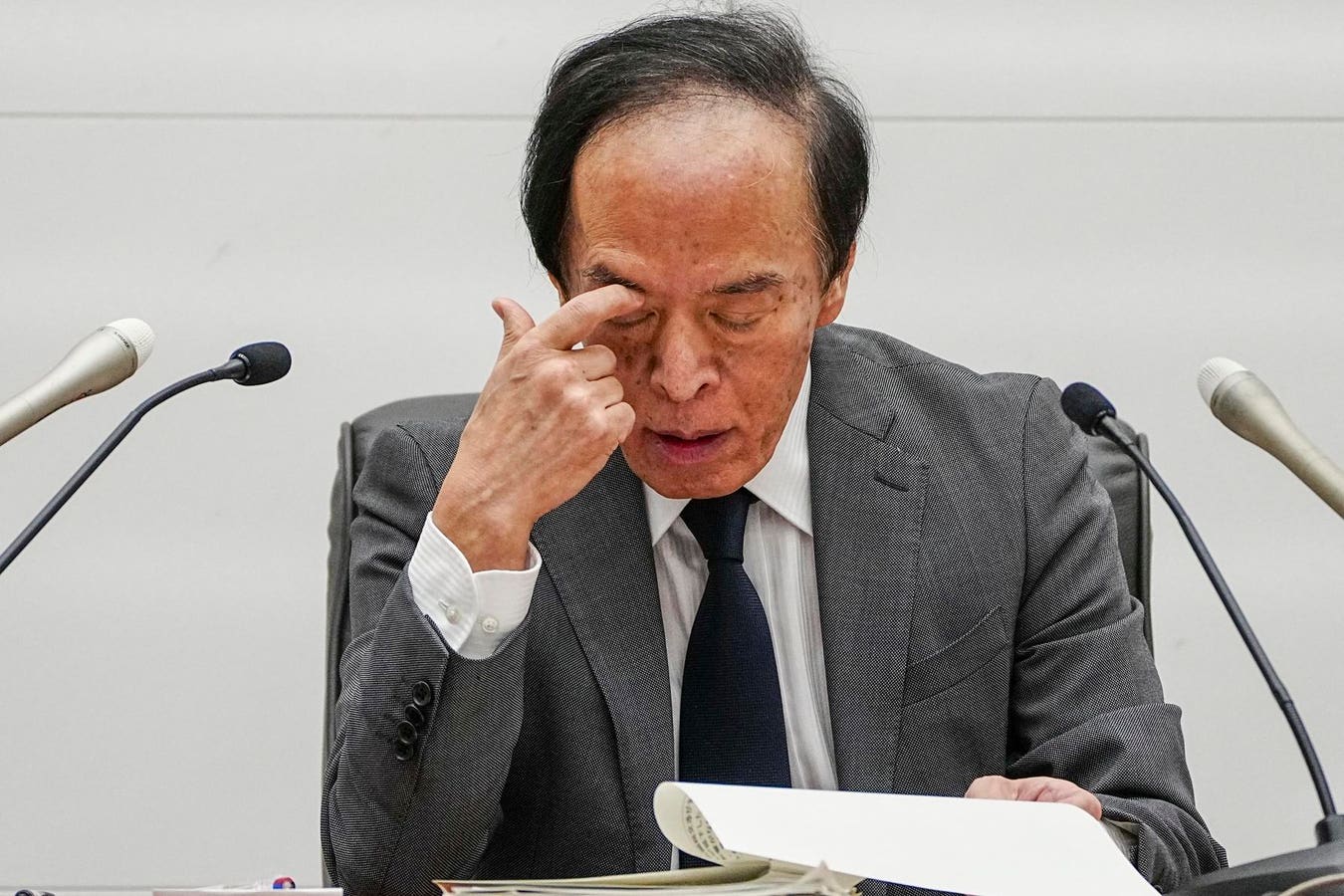
Bank of Japan (BOJ) Governor Kazuo Ueda.
Yuichi Yamazaki/AFP via Getty Images
Bank of Japan Governor Kazuo Ueda can’t seem to catch a break in 2026.
Granted, none of his fellow central bankers saw the war with Iran coming. Or how it pits the onslaught of the old economy against the boom in artificial intelligence and creates an entirely new economy in real time.
This artificial intelligence trading has sent Japanese stocks to record highs even as soaring oil prices threaten economic growth. This dizzying disconnect makes life more difficult for Ueda and other board members.
Team Ueda will raise interest rates to a 30-year high of 0.75% heading into 2026. By now, Ueda may have assumed that the benchmark would be well above 1%. Most BOJ watchers believe this will solidify Ueda’s position as the man to normalize Japan’s interest rates.
Now, who knows? Until recently, the Bank of Japan was widely expected to tighten policy next week. Ueda is sure to make the case for another tightening move as inflation heats up. That is, if Japan wasn’t facing a growing problem of stagflation.
While economies from the United States to Europe are struggling to fend off inflation outpacing economic growth, that’s already happening in Japan. In 2025, inflation will be twice the GDP growth rate of 1.1%.
This puts Ueda in an impossible situation. If he raises rates, he risks being blamed for slowing growth or a recession. If it restricts spending too much, the Bank of Japan will face the risk of normalizing inflation above 2%. Given the weak yen, inflation is likely to be higher than this number.
If the effects of the Iran war are short-lived, the damage from inflation may be limited. But the conflict is likely to continue as Tehran outsmarts U.S. President Donald Trump on every front. If so, the Bank of Japan will face unexpected challenges.
Despite a strong return to inflation, Tokyo remains mired in a “deflationary mentality” that is harder to change than expected. After more than 20 years of falling prices, a resurgence of inflation has traumatized Japan’s 125 million people. This means that every time costs rise, it becomes increasingly difficult for families to adjust emotionally.
That’s why in Japan, even good news can be bad news these days. Case in point: wage increases. After two decades of flattening wages, companies are under pressure to increase wages. One reason is healthy corporate earnings. Another: Labor is scarce as the workforce ages and shrinks.
However, Japan’s chronically weak productivity is now a growing problem. It ranks 28th among the 38 member countries of the Organization for Economic Cooperation and Development and the lowest among the G7. If worker efficiency doesn’t improve quickly, a sudden increase in wages may only fuel inflation.
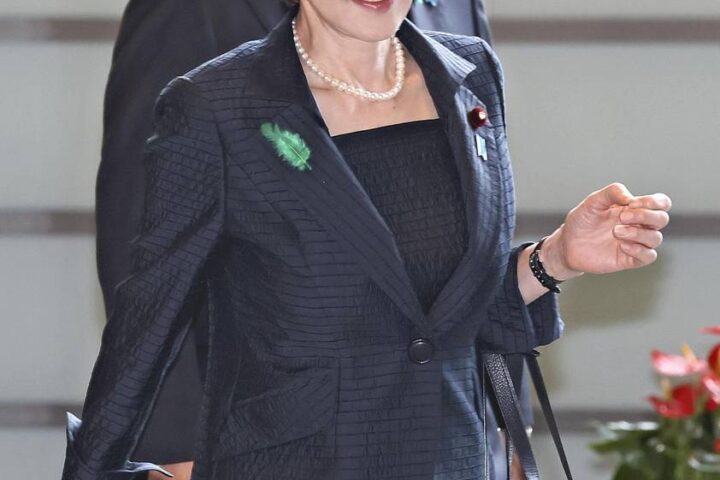
In addition to this challenge, Ueda is bracing for easier fiscal policy and possibly even tax cuts to boost the budget. Japanese Prime Minister Sanae Takaichi has made no secret of her desire for another fiscal stimulus. Between rising wages and increased government spending, Ueda’s 2026 could get even more difficult.
How Ueda achieves this balance is anyone’s guess. I’m afraid even he himself doesn’t know now. The plot becomes even more complicated when you factor in the market’s aversion to further rate hikes. Last year, before becoming prime minister in October, Koichi called the BOJ’s idea of slamming the brakes “foolish”.
We’re not talking about Trump’s spat with Jerome Powell. Trump has tried to fire Fed Chairman Powell; the market is unlikely to go that far. But her Liberal Democratic Party has long urged the Bank of Japan to be cautious about raising interest rates. How else can you explain that the central bank of a democratic country has kept interest rates at or near zero for 27 years?
Regardless of the outcome, the global financial system depends heavily on the Bank of Japan’s success. Nothing scares hedge fund managers more than sudden moves in the yen. Twenty-seven years of zero interest rates have made Japan a leading creditor nation.
Investors have grown accustomed to borrowing Japanese yen cheaply and then investing the money in higher-yielding assets around the world. That means any big moves in the yen can trigger markets from New York to London to Mumbai. All the global market can do is hope that Ueda gets things right. Unfortunately, this is a big problem.