The Tamesis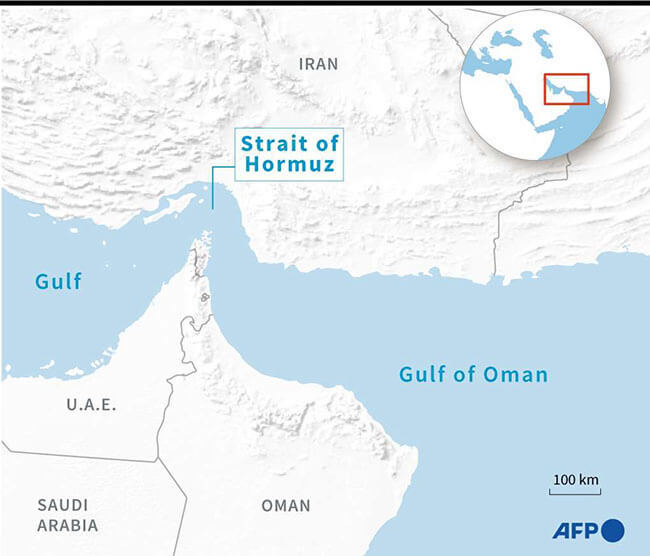
Growing investor optimism that the United States and Iran will extend their ceasefire lifted stock markets in Asia and other parts of the world on Thursday.
Indeed, expectations of new talks to try to end the war – and reopen the Strait of Hormuz to oil and gas tankers – pushed Tokyo stocks and the Nikkei to record highs.
Wall Street also hit a record high on Wednesday as investors cheered healthy earnings, a sign that the U.S. economy remains resilient despite soaring oil prices and rising headline inflation.
See also: Iran war is killing trade with Middle East importers too
The positive news driving this sentiment appears to be Reuters Iran may allow hundreds of ships that have been stuck in the Strait of Hormuz for the past six weeks to transit the Omani side of the waterway, which is just 34 kilometers (21 miles) wide.
The report quoted an unnamed “source briefed by Tehran” as saying that this is the first time that Iran has given up its threat to charge passing ships or attempted to impose sovereignty over the entire strait.
The news was welcomed by the International Maritime Organization, the United Nations shipping agency, but questions about Iran’s nuclear program appear unresolved.
The two parties then continued to communicate Negotiation failed The weekend is another factor in the current outlook.
Nuclear issue “can be negotiated”
Iran’s foreign ministry said Tehran’s right to enrich uranium was “indisputable” although the level of enrichment was “negotiable”.
At a weekly press conference, Foreign Ministry spokesman Esmael Bakaj said on Monday that the right to the peaceful use of nuclear energy cannot be “denied under pressure or war.”
“Regarding the level and type of enrichment, we have always said this issue is negotiable.
Regarding talks with the United States, Bakkai said, “Several messages have been exchanged through Pakistan since the return of the Iranian delegation to Tehran on Sunday.”
Analysts said Trump’s visit to China next month was another factor driving the optimistic outlook.
and Pakistani Prime Minister Shehbaz Sharif has begun a four-day diplomatic blitz with Saudi Arabia, Qatar and Turkey, his office said, as the country engages in a frenzied diplomatic campaign ahead of a possible new round of U.S.-Iran peace talks.
Oil in the mid-1990s
Oil prices edged higher on Thursday but remained below $100 a barrel.
Meanwhile, global stock markets have “encountered one of the fastest recoveries in recent memory”, Matt Britzman, senior equity analyst at Hargreaves Lansdown, told AFP.
Meanwhile, “oil prices remain elevated… as investors look ahead to a potential extension of the ceasefire between the United States and Iran while weighing the possibility of a broader deal that would eventually reopen the Strait of Hormuz,” he said.
The waterway, through which a fifth of oil and gas flows, has been blocked by Iranian forces since the U.S.-Israeli offensive began on February 28.
Euro zone inflation jumped to 2.6% in March as energy prices soared, official data showed on Thursday.
China’s economy grew 5% in first quarter
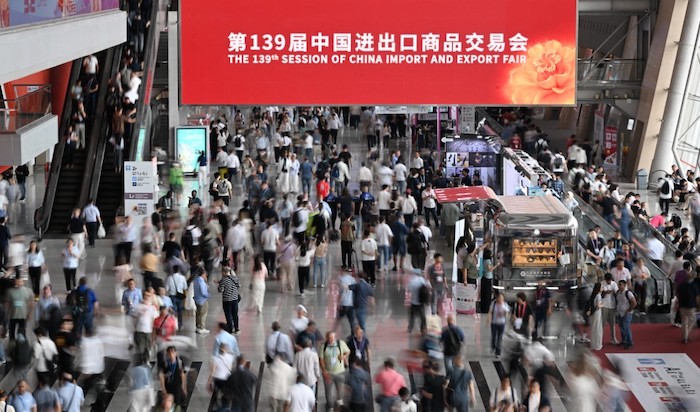
However, official data showed that China’s economic growth exceeded expectations in the first quarter of this year, even as the global economy was reeling from the fallout from war in the Middle East.
The world’s second-largest economy’s GDP grew 5.0% year-on-year in the quarter.
“Hope has been replaced by a bright light at the end of the tunnel of peace,” said Stephen Innes of SPI Asset Management.
“The market is no longer asking if there will be a deal. It’s as if the deal has been signed, sealed and quietly filed away.”
Tokyo and Seoul led gains in Asia as traders piled into investments in artificial intelligence-based technology that helped send global stocks soaring ahead of the outbreak of war in the Middle East on February 28.
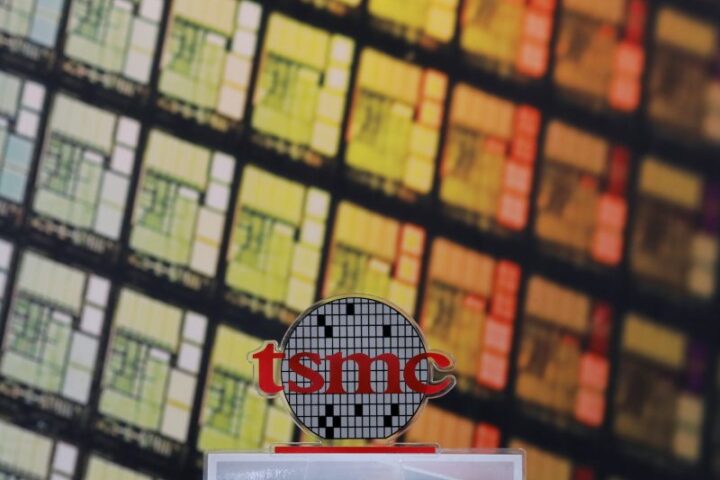
Taiwanese chipmaker TSMC reported record first-quarter profits of $18 billion, far exceeding expectations and suggesting demand for artificial intelligence remains strong.
Key figures at 1045 GMT
TOKYO – Nikkei 225: up 2.4% to 59,518.34 (close)
Hong Kong – Hang Seng Index: up 1.7% to 26,394.26 (close)
Shanghai – Composite Index: up 0.7% to 4,055.55 (close)
NEW YORK – Dow Jones: Down 0.2% to 48,463.72 (Close)
North Sea Brent crude: up 1.5% at $96.39 a barrel
West Texas Intermediate crude oil: up 1.3% to $92.45 a barrel
USD/JPY: up from 158.97 yen to 159.04 yen
London – FTSE 100: up 0.5% to 10,613.00
PARIS – CAC 40: up 0.4% to 8,308.33
FRANKFURT – DAX: up 0.5% to 24,173.46
- AFP Additional input and editing by Jim Pollard
See also:
China slams port blockade, calls for intensified US-Iran talks
Vance flies away after talks with Iran fail, Saudi Arabia restores pipeline
Iran ceasefire has little impact on damaged Hormuz ships
Energy crisis triggered by Iran war fuels renewable energy boom, IEA says
Asian fuel importers eye Saudi ports amid uncertainty over Strait of Hormuz
Asia ‘worst hit by energy crisis’ due to Iran war
India’s demand for wood, coal poor as gas prices soar due to Iran war
War with Iran could hit some of Asia’s biggest economies hard
India races to secure supplies as new attacks threaten ‘energy war’
Iran war sends gas prices soaring, Asia ramps up coal power generation