The Tamesis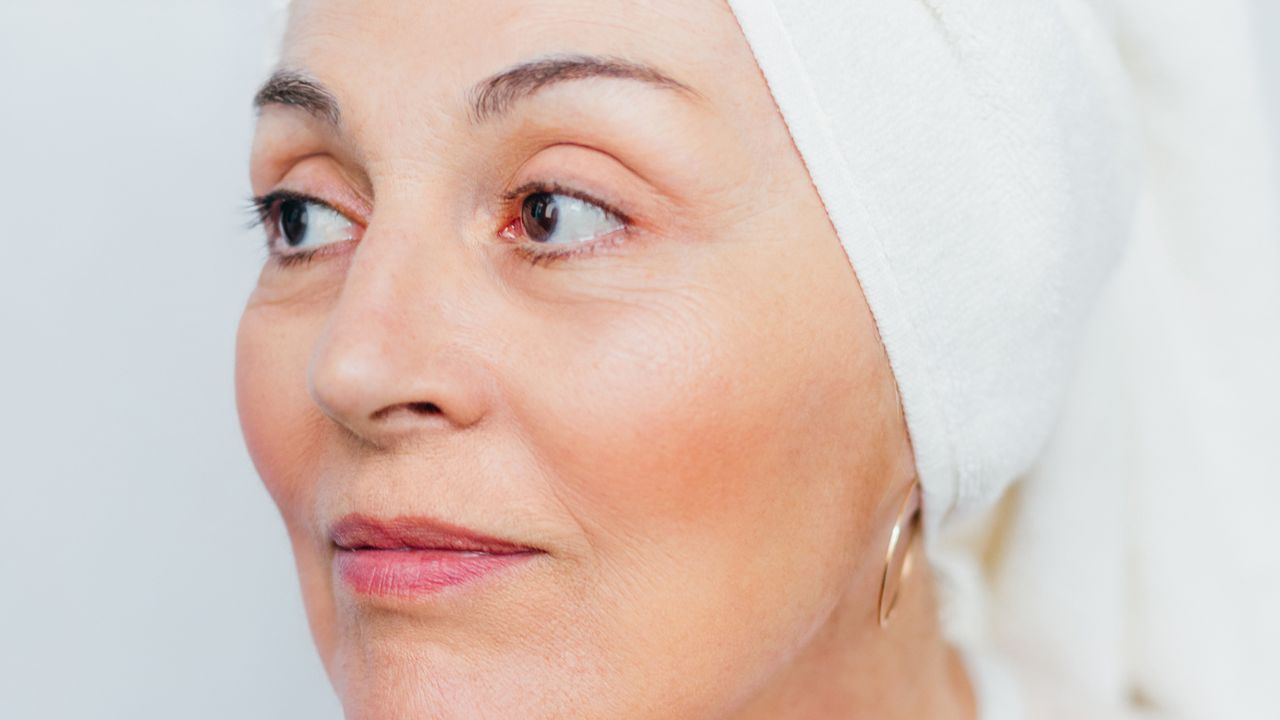
I’m glad my dermatologist doesn’t know about my shower habits. At 45, I do a lot to keep my skin soft, smooth, and clear, but ironically, the thought of giving up long, hot showers makes me shudder. Alas, after discussing the best step-by-step shower routine for mature skin with top dermatologists (excluding mine), I accepted it was time to clean up my regimen.
FashionFavorite bath products for mature skin
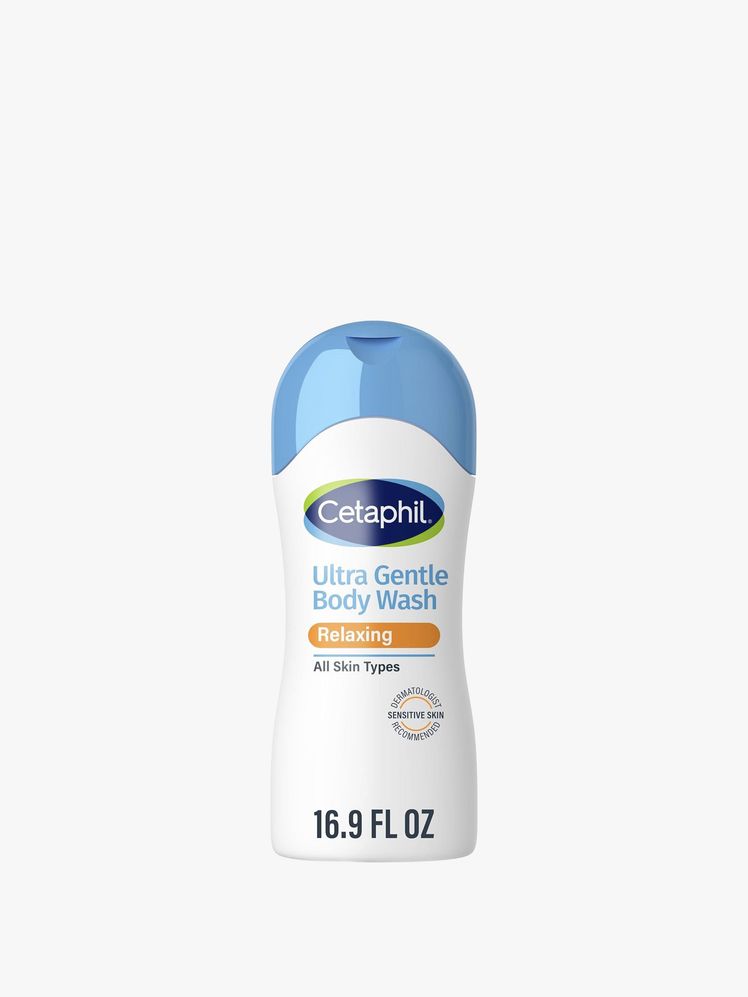
Cetaphil Ultra Gentle Relaxing Shower Gel
Read more
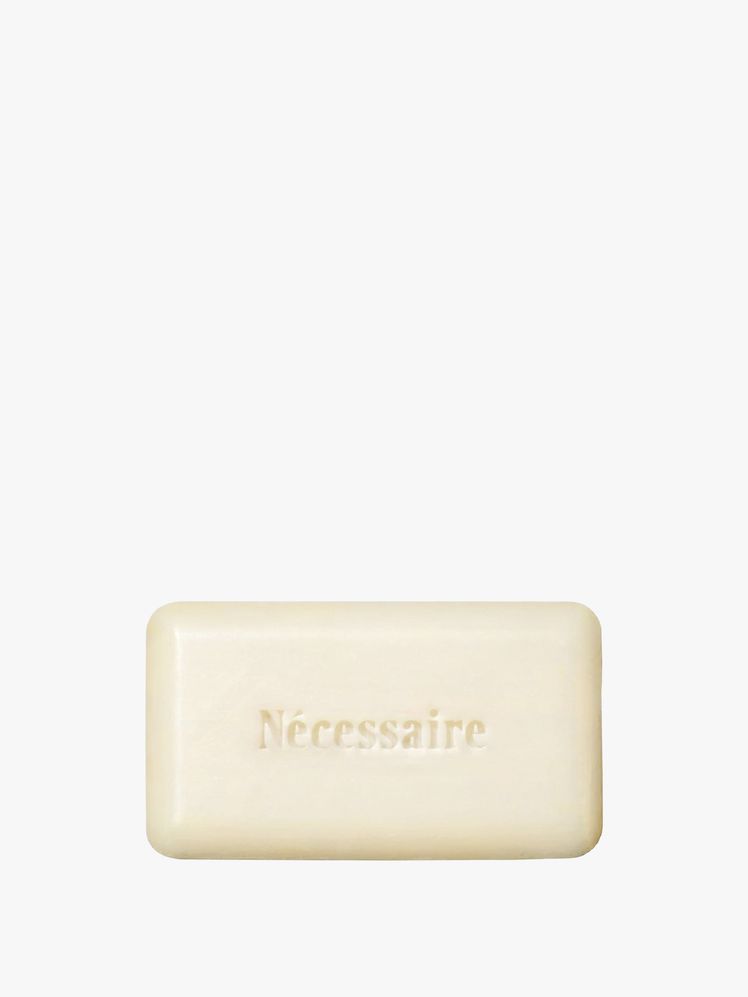
Nécessaire body exfoliating stick
Read more
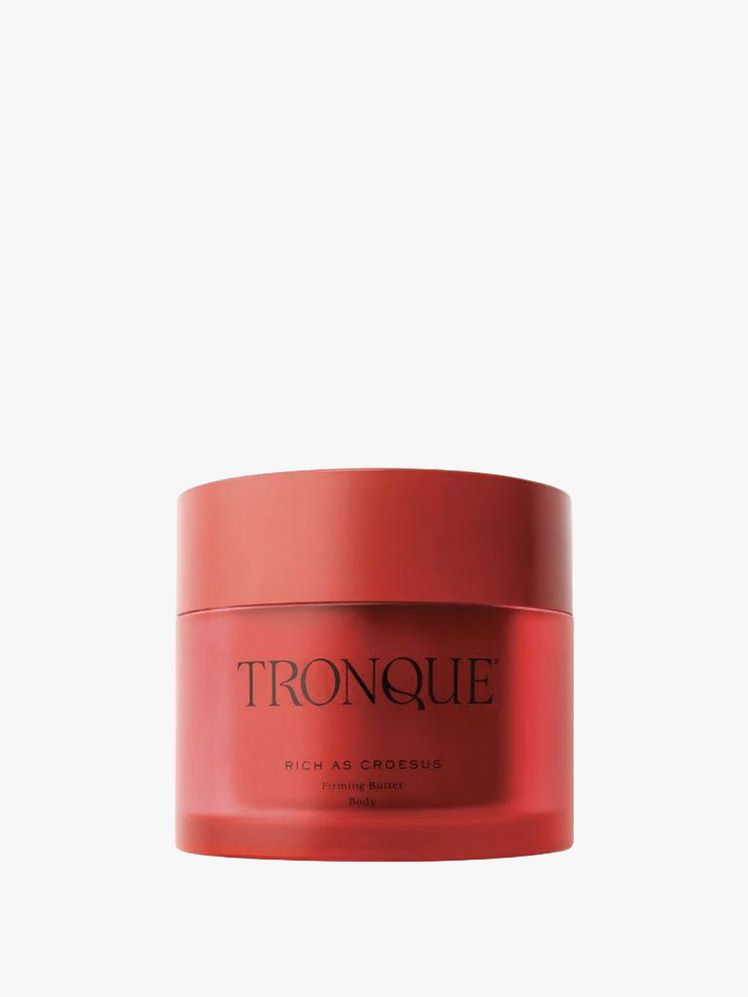
Tronque firming body lotion
Read more
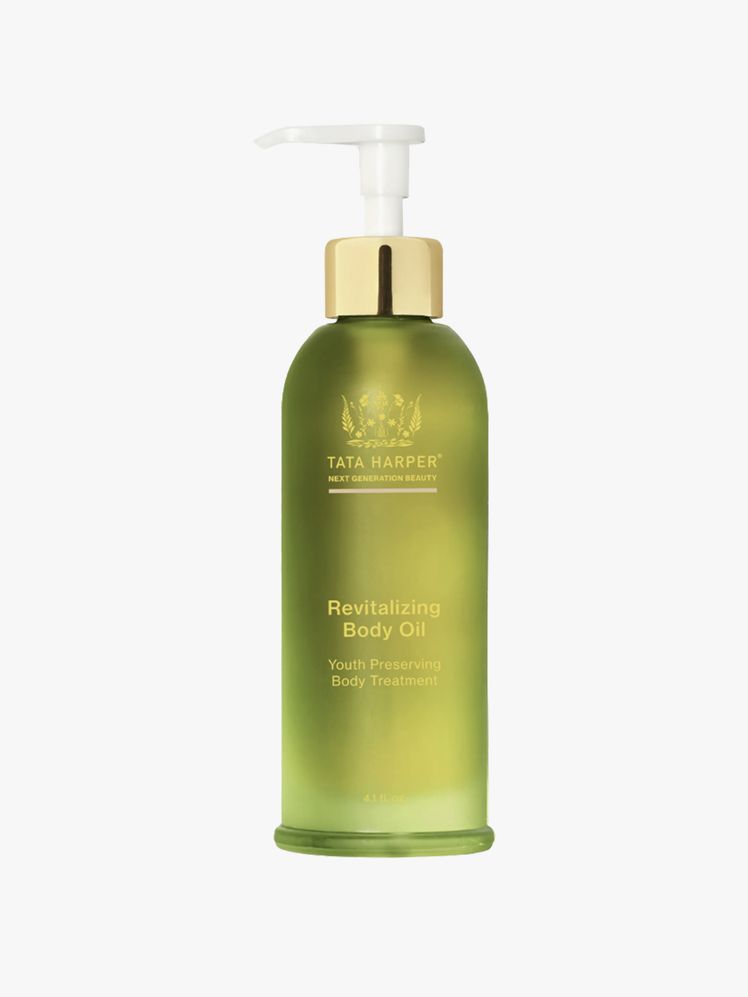
Tata Harper Revitalizing Body Oil
Read more
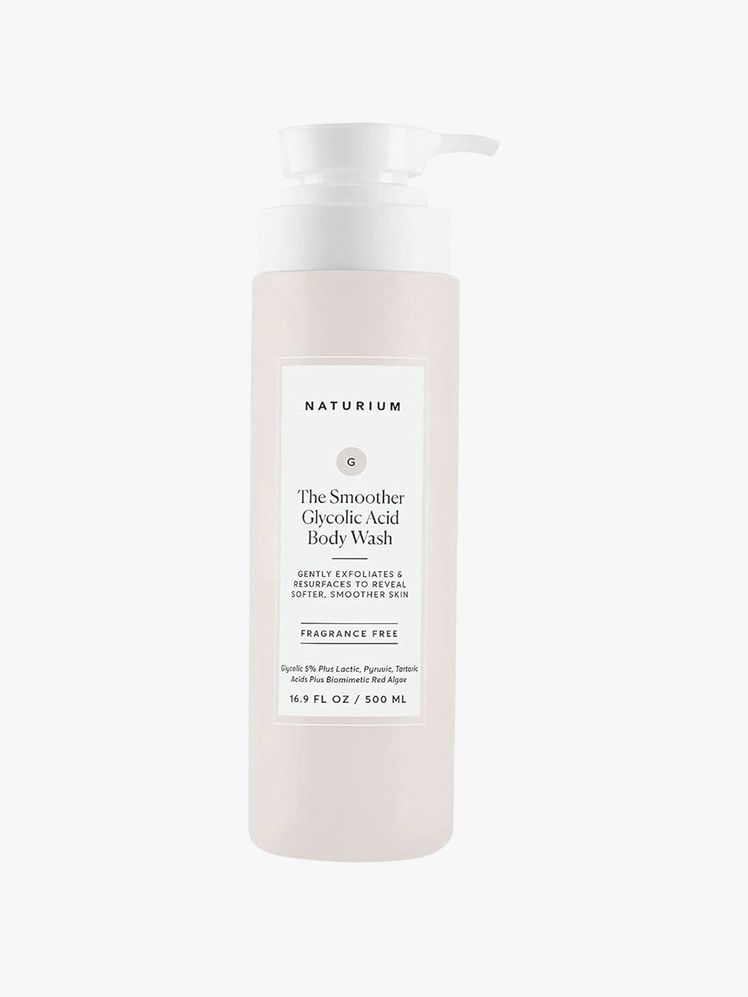
Naturium Smoother Glycolic Body Wash
Read more
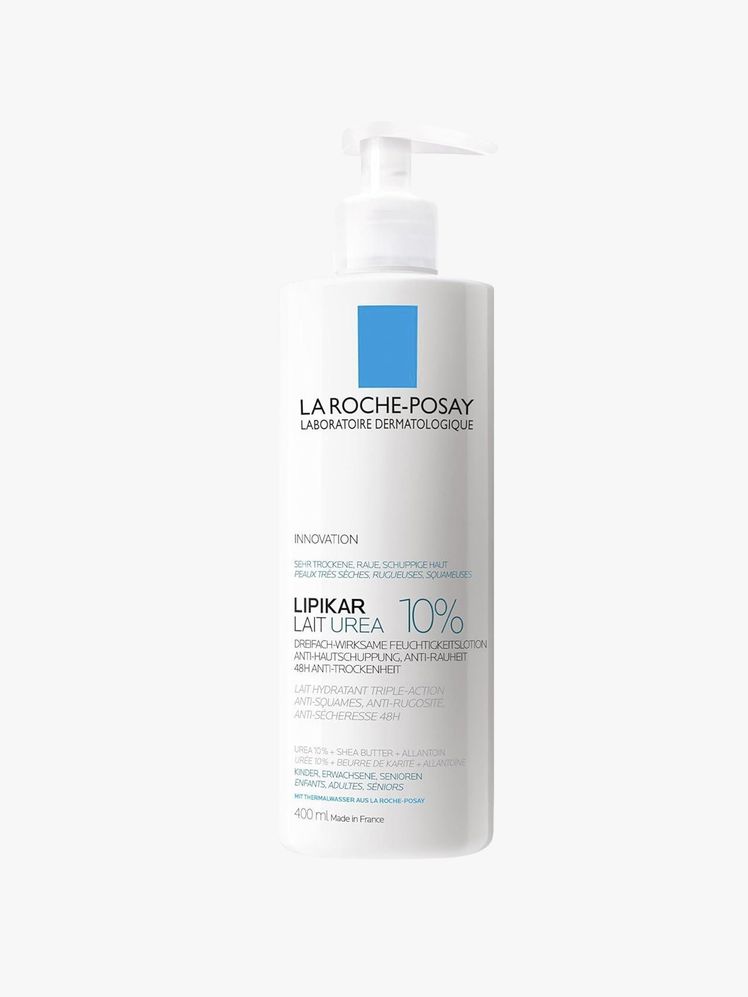
La Roche-Posay Lipikar Urea Smoothing Lotion
Read more
First, people with aging skin like me should set a time limit—and temperature Limit their showering. “Hot water strips the skin of its natural oils, leaving it dry and prone to cracking and flaking,” says Dendy Engelman, MD, a board-certified dermatologist in New York City. “It’s best to take a warm shower.”
In terms of time, the shorter the better. According to Divya Shokeen, MD, board-certified dermatologist and founder of OSVI Dermatology and Surgery Institute, showering for five to 10 minutes is ideal. “Long steam showers can silently damage the integrity of your skin barrier,” she says. How to spend that fleeting time? Next, your dermatologist will provide step-by-step guidance to help you emerge from the steamy bathroom with your skin soft and its barrier intact.
Clean carefully
The best body washes for mature skin are simple, skin-barrier-soothing, and formulated to be as clean as possible. According to Dara Spearman, MD, board-certified dermatologist and founder of Radiant Dermatology Associates, people with aging skin should look for cleansers designed to moisturize and support the skin barrier. “I tend to recommend cream or oil-based cleansers over gels, which may contain alcohol and are drying,” she says. “I do recommend fragrance-free [options] Suitable for those with sensitive skin. “
When it comes to ingredients, Dr. Shokeen recommends looking for cleansers with glycerin, ceramides, hyaluronic acid, colloidal oatmeal, and shea butter, including classic drugstore picks from Cetaphil and Cerave. When it comes time to cleanse, dermatologists recommend against using scrubbing tools. “Towels and loofahs can cause problems with bacterial growth,” says Dr. Engerman. “Using products contaminated with bacteria can make you more susceptible to infections like folliculitis. Cleaning with your hands is enough.”