The Tamesis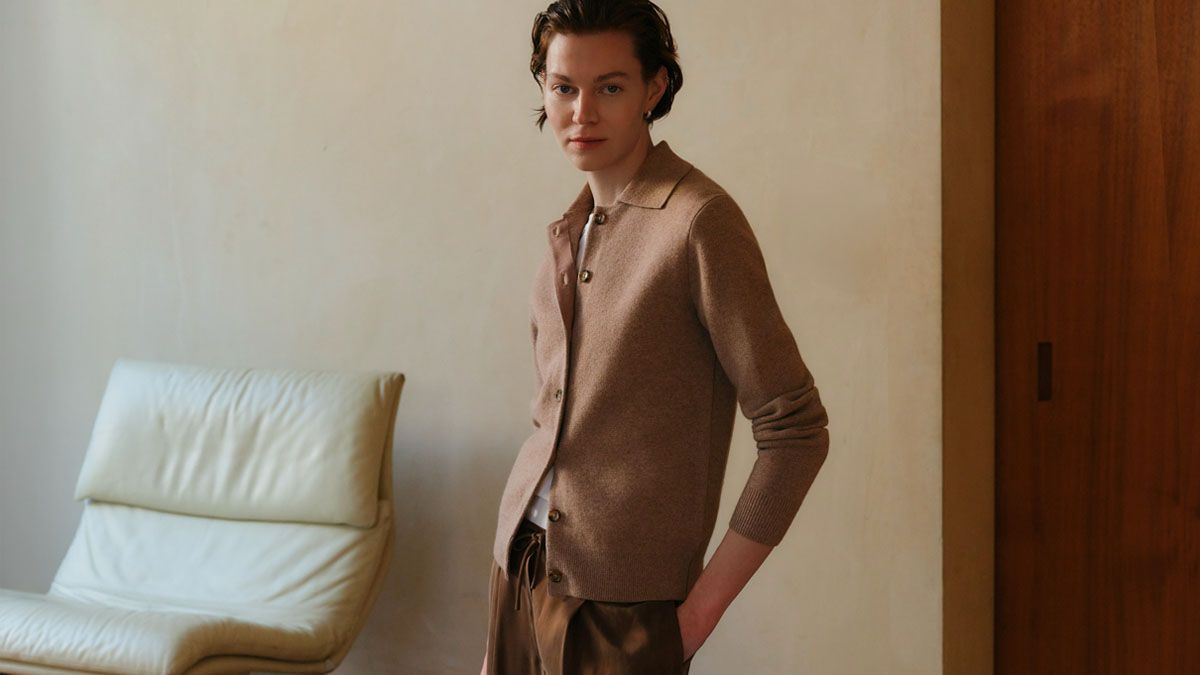
Jed Coleman and Will Coulton are proud to be outsiders in the fashion world. Coleman rose to fame as co-founder of London’s Caravan restaurant and coffee roastery, while Coulton’s roots lie in management consultancy. Neither of these two New Zealanders living in London had any idea how a fashion business was “supposed” to be run. Yet they are the brains behind Rise & Fall, one of the UK’s fastest-growing brands and often referred to as fashion insiders’ best-kept secret.
“We found the whole high fashion world to be a bit ridiculous,” Coleman said. “We had no idea how expensive it was or how pretentious it was. We found it odd that so few people working in the industry could afford these clothes. And we didn’t like how the industry used desire to hijack human weakness and make you feel like you need these products to feel better in some way. We just wanted to make hard-working products that you can use every day and strip away all the other stuff.”
This naivety and lack of sentimentality mostly works to their advantage. “It’s a blessing and a curse,” Coleman said. “You see things with fresh eyes, but you also don’t know a lot, so you might step into a trap.”
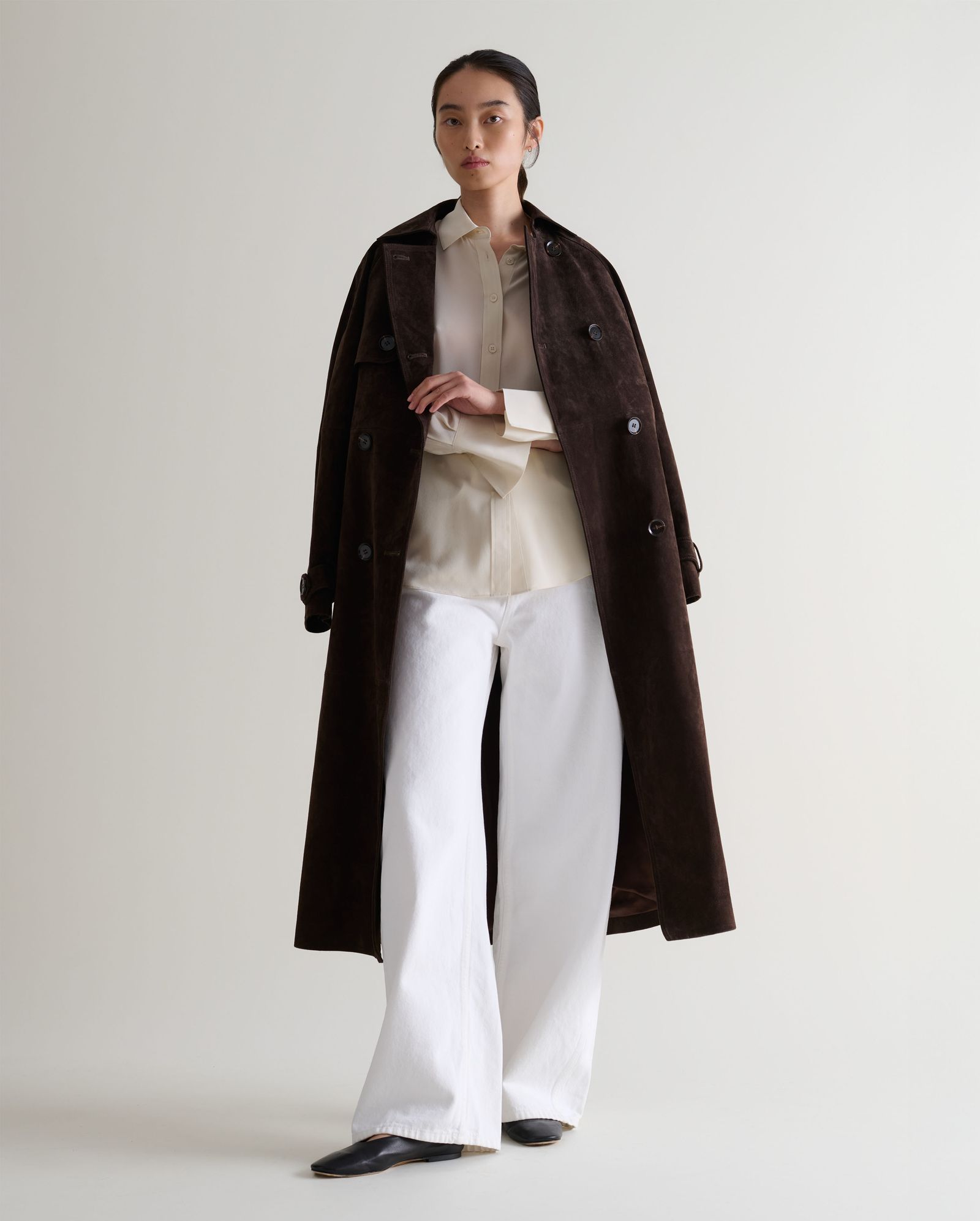
To produce hard-working products, Rise & Fall cherry-picks the best parts of disparate fashion supply chains—borrowing Shein’s on-demand production system, going directly into luxury factories, chasing price-sensitive consumers like mass-market brands, and putting premium materials first. In some cases, Coleman and Coulton had to acknowledge the status quo: hire a creative director, transform their no-nonsense approach into something luxury consumers would be interested in, and balance the fine line between trendy and timeless. Eight years later, with annual sales of $10-20 million, mainstream customers are finally starting to catch on.
Can the Shein pattern continue?
Like ultra-fast fashion giant Shein, Rise & Fall operates on a just-in-time model, using an AI-powered forecasting engine to test demand for new products in small batches before committing to larger orders. In some cases, the factory can process repeat orders within 48 hours. Coleman said this works well for slower-selling categories like knitwear and bedding, but is more difficult to execute for woven goods. Again, it’s easier if the factory is vertically integrated, otherwise fabric orders would extend lead times.
Coulton said a good example is the knitted hat that was all the rage a few years ago. “When we launched the product, we were at the beginning of a trend. We initially ordered about a hundred units, in a few colors. That was in November. By the time we closed Christmas orders, we had sold several thousand units, at least half of which were pre-orders. Every time we ordered, we sold out immediately. So in the last few weeks before Christmas, after-the-fact additions accounted for 40 percent of our orders because we were able to produce in a more flexible way.”