The Tamesis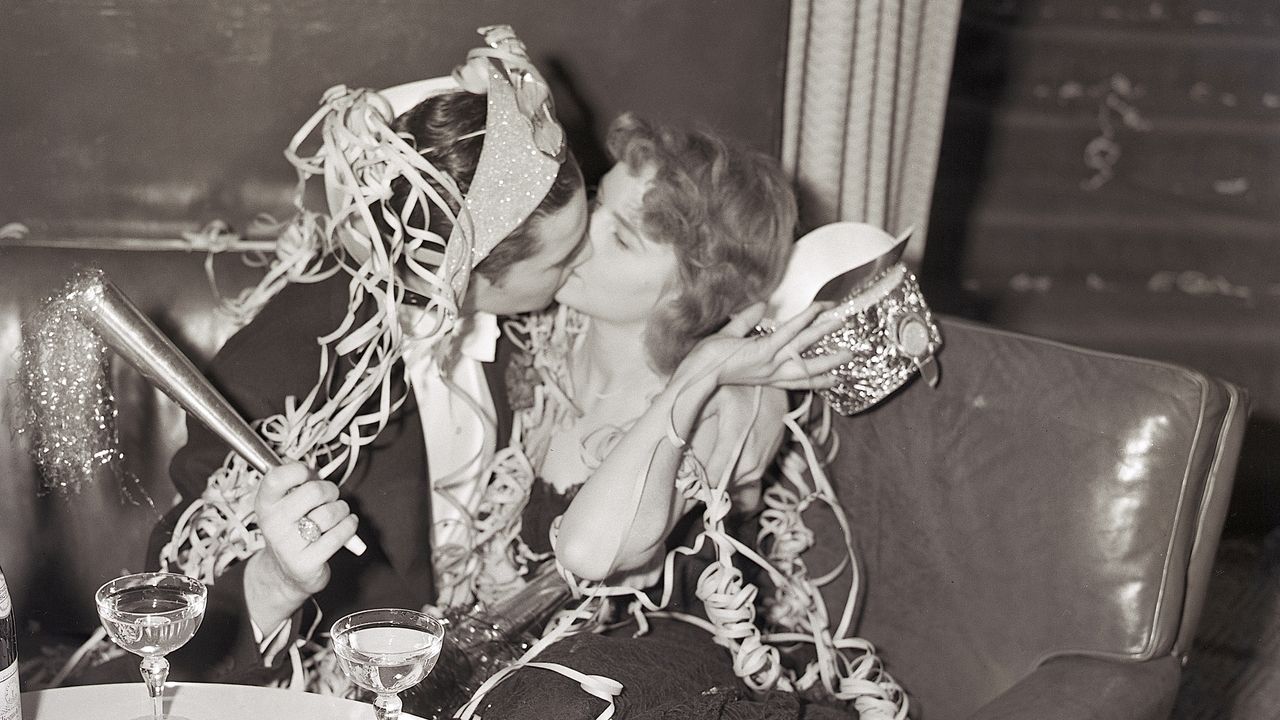
As the classic song goes, “What are you doing on New Year’s Eve?”
Maybe you’re wearing 2026 glasses, holding pots and pans, and staying home to watch the ball drop on TV. Maybe you’re at a party, dancing the night away, or entertaining friends at home. Either way, when the clock strikes 12, you’ll probably both lean in for a kiss—or at least find someone to kiss.
The New Year’s kiss is one of the most famous holiday traditions. It can be a sweet way to ring in the New Year with your partner, a slightly embarrassing result of too much champagne, or an exciting start to a new relationship.
No matter which route you take, it’s probably worth learning more about the history behind this custom and how all this kissing happens. Here’s the story behind the New Year’s kiss tradition, along with some tips on how to make the most of it, if you choose to participate.
What is the origin of the New Year’s kiss?
The playful tradition of starting the new year with a kiss dates back to the winter solstice festival Saturnalia. In ancient Rome, Saturnalia was a pagan festival in mid-December honoring Saturn, the god of agriculture. This celebration includes decorating homes with greenery, wreaths, grand feasts, gift-giving, and socializing with friends and family. Sound familiar?
That said, Saturnalia is not entirely innocent. It also involves loosening social norms, public sacrifice and non-stop partying. “For many people, it involves too many alcoholic drinks,” explains etiquette expert Joe Hayes. “What’s a common consequence of this kind of indulgence? Lots of PDA – including kissing.”
Eventually, Saturnalia merged with the 12-day Christian celebration of Christmas, which traditionally lasted until after the New Year. However, the atmosphere did not become calmer – in fact, in the Middle Ages, the season was considered almost as wild as in pagan times, full of public intoxication and frivolity. “In medieval Europe, the kissing tradition evolved from masquerade balls, where the unmasking of the mask at midnight would be punctuated by a kiss to purify oneself and ensure good luck for the year,” explains Academyized historian Ralph E. Long. “Kissing has become a means of staving off loneliness or tragedy and promising a new beginning of love and intimacy.”
Another festival, Hogmanay, is still celebrated today and is the Scottish equivalent of New Year’s celebrations, including social events, dancing and singing of “Auld Lang Syne” (written by Scottish author Robert Burns). During the celebration, people wish each other to “lead in the new year” and embrace the new beginning with warmth and kisses to lovers, friends and strangers.