The Tamesis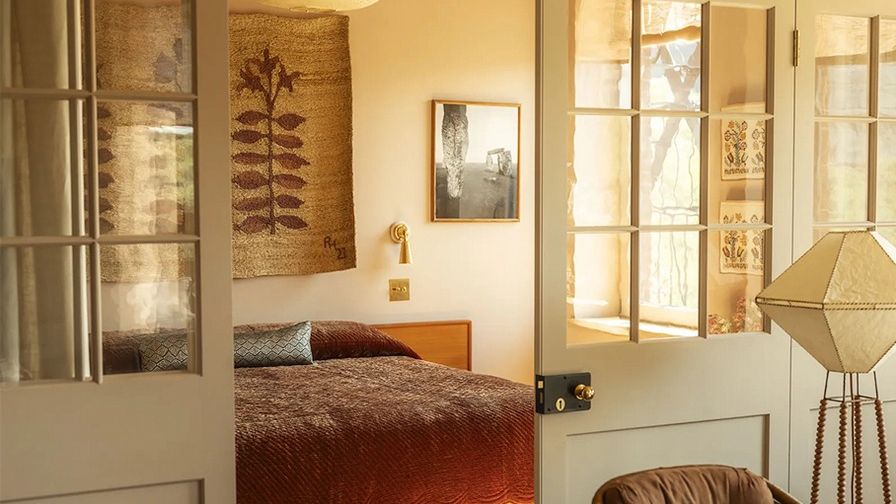
No matter where you are in the world, chances are you are familiar with some form of textile originating from your culture or community. Kente cloth from the Asante region of Ghana; Suzani from Central Asia; kilims from Turkey, Iran and Afghanistan; tie-dye from Indonesia; and the vast tapestries of medieval and Renaissance Europe still grace homes and churches across the continent. These works showcase cultural narratives, stories and values that express human life as only the best art can.
So it’s no surprise that this tactile art form has become popular again in the digital age. Global Google searches for “wall tapestries” and “vintage tapestries” have increased by 40% and 110% respectively in recent months; some believe there is an obvious reason for this surge in interest. “I think they’re becoming more and more popular because of the rise of artificial intelligence,” explains Emma Lang, art consultant and founder of marketplace SOTA. “People are feeling overwhelmed by the rapid impact it has on our lives and are looking to traditional forms of craftsmanship to remind us of our humanity.” Despite years of curating artworks for luxury hotels and private residences, until the last six months, almost every design brief Long worked on included a request for textiles.
why not? They’re a great way to create a living space that feels effortless, notes interior designer James Thurstan Waterworth, whose recent work for London’s Zetter Bloomsbury hotel included a collection of antique fragments, woven fabrics and decorative panels. “The layering of textiles brings warmth, tactility and narrative, making the interior feel collected and personalized rather than overly designed,” he explains. Bella Valenzia, founder of Pelican House (who recently collaborated with Volga Linen to reinterpret traditional folk patterns through traditional kilim weaving to beautiful effect) agrees: “They tell a beautiful story about a property, home or hotel.”
So consider this your signature and add some textile art to your own space – whatever shape or form it takes.
FashionA guide to fashionable textile art
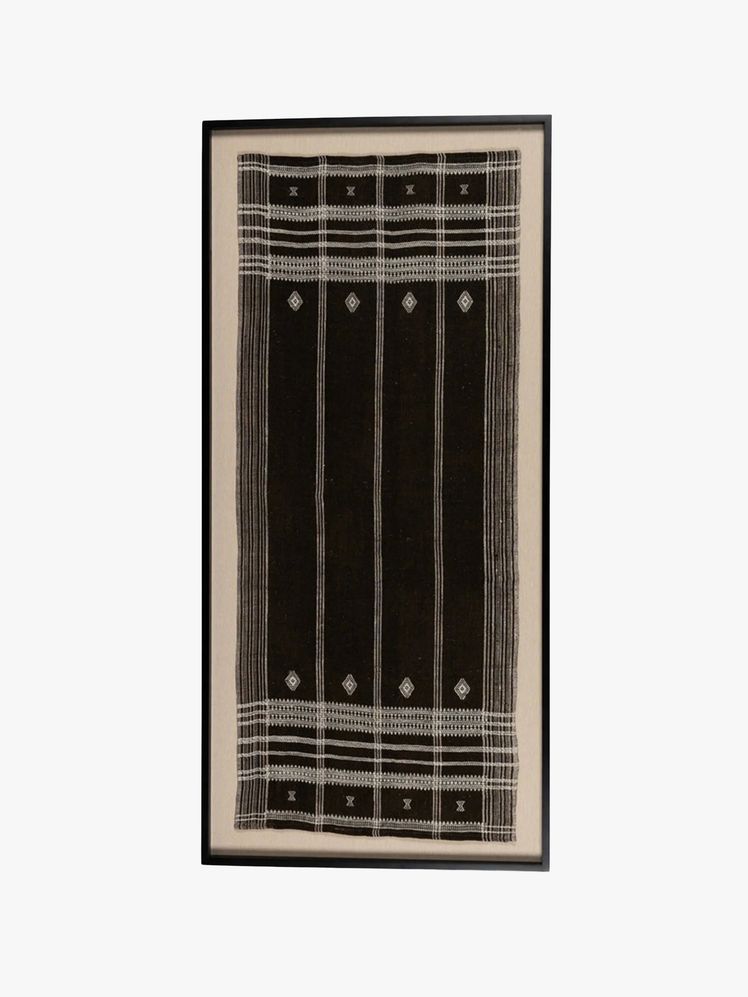
Lulu and Georgia Ishaan Textile Wall Art
Jump to comments
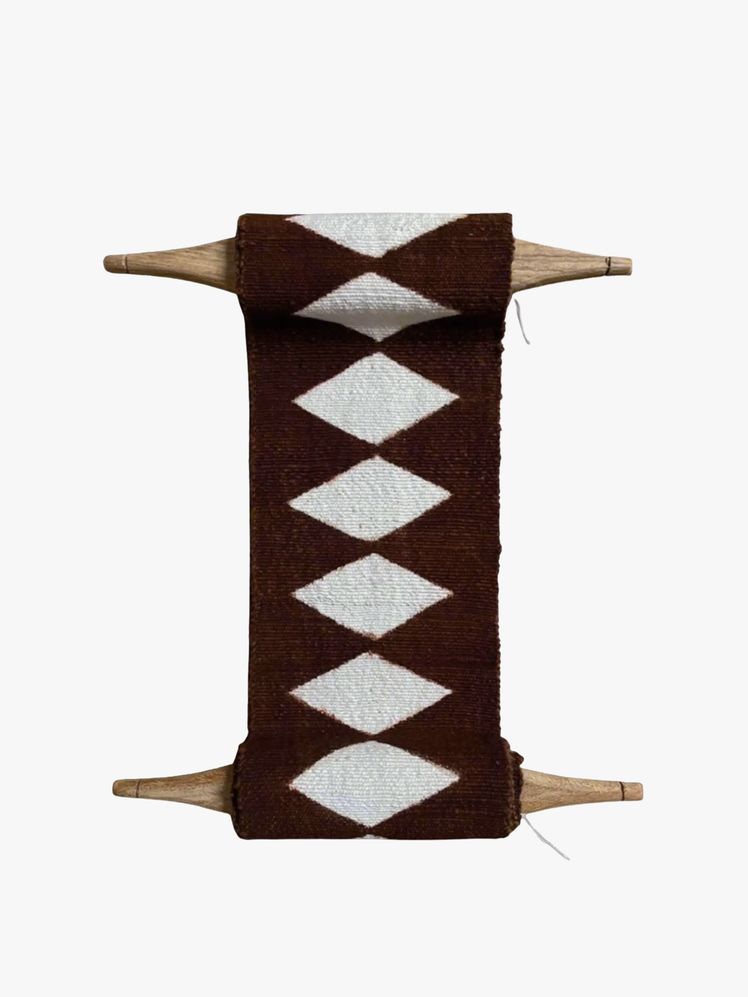
Kanju Interiors Balance Bogolan Wall Art
Jump to comments
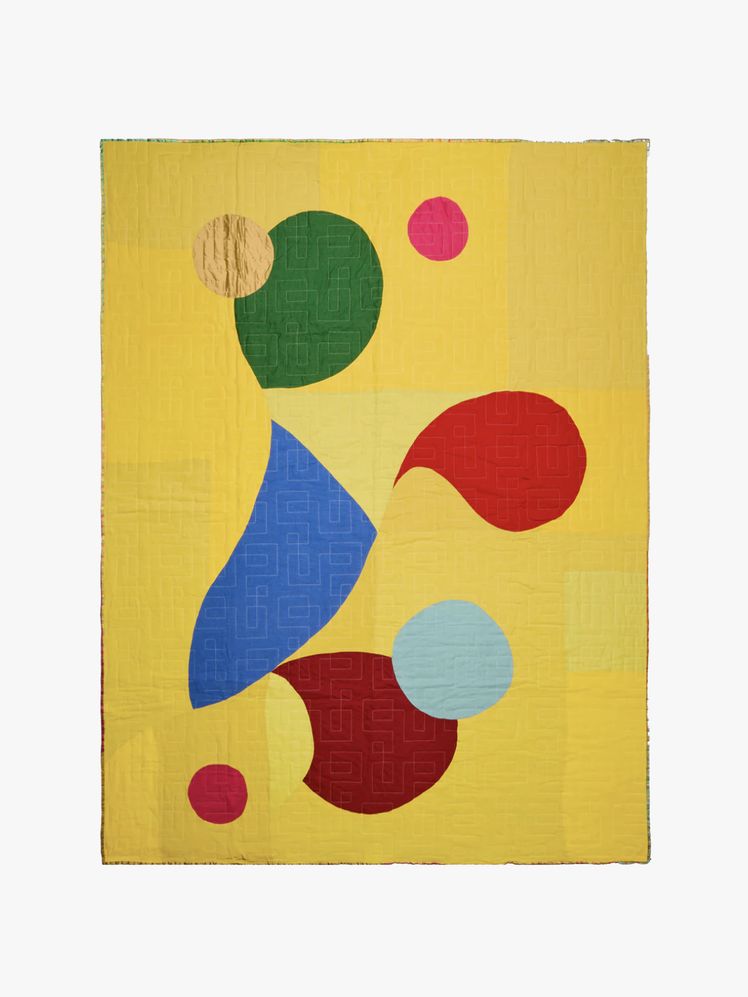
Pemberton Qwilts Carnival Curllusion Patchwork Quilt
Jump to comments
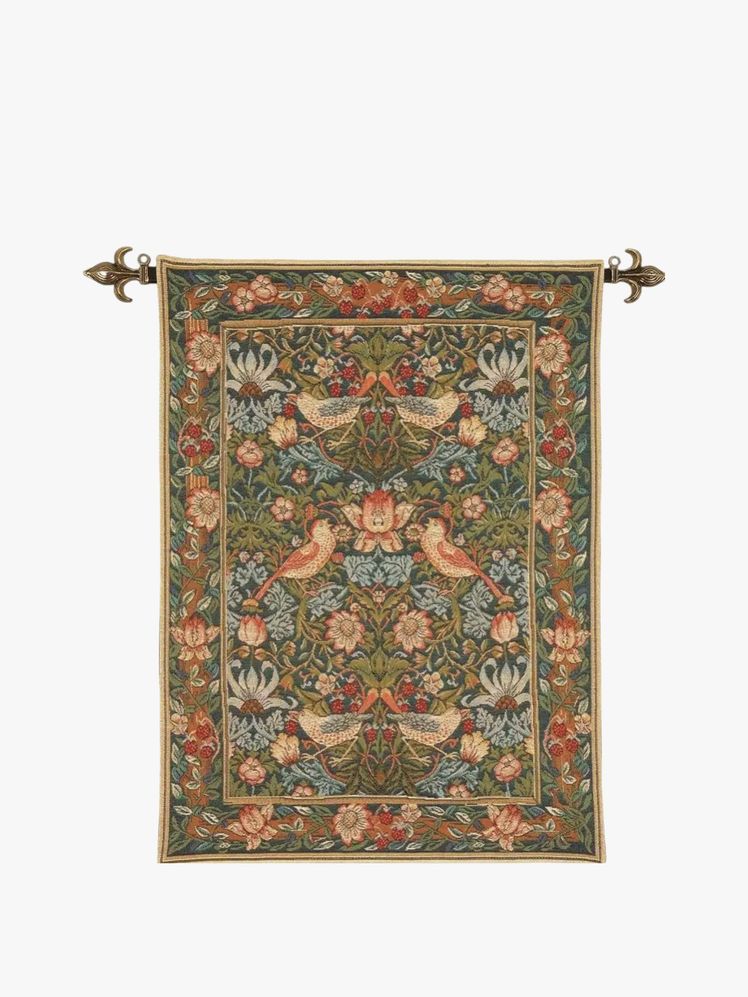
Morris & Co. Strawberry Thief Tapestry
Jump to comments
Textile art can be sourced anywhere – it’s best to focus on local fairs, antique markets, eBay, Etsy and estate sales. Excellent pieces can be found even in entry-level homewares stores, although many people want to invest in handmade pieces or even commission them. “These pieces take time to create, so they can be more expensive,” Long said. Also keep an eye on social media; it can be a rich hunting ground.