The Tamesis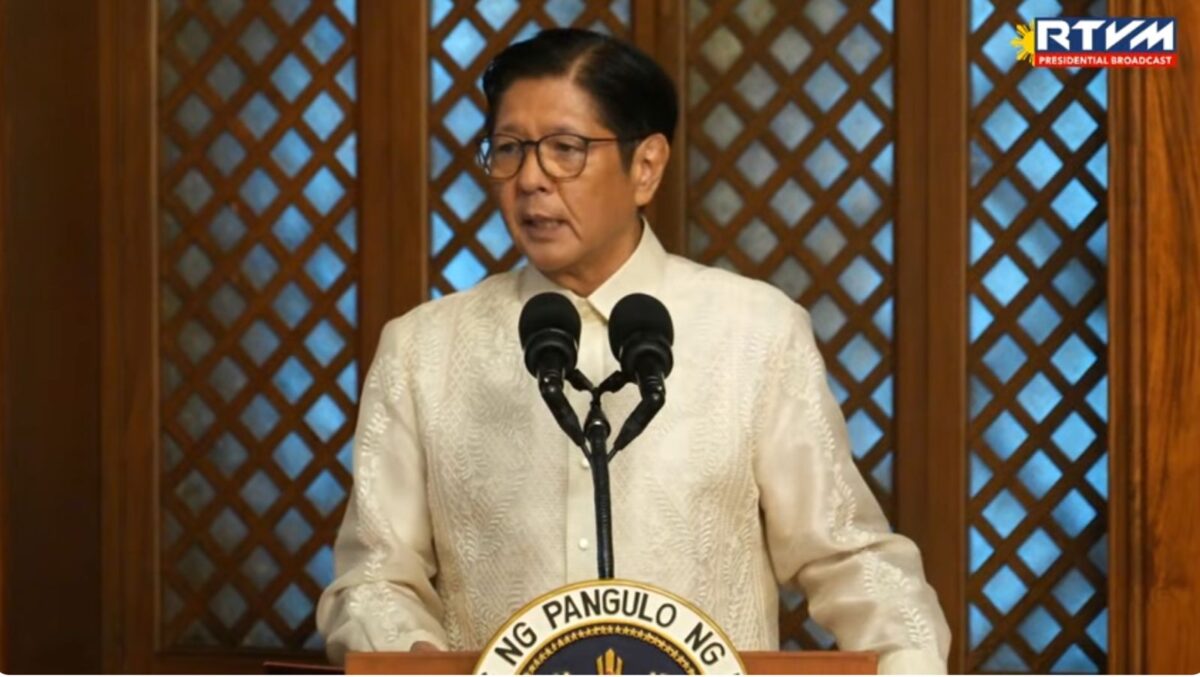
May 19, 2026
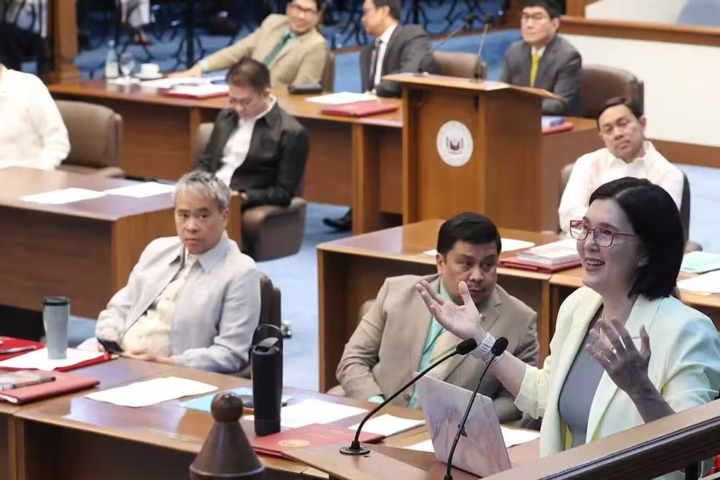
Manila – President Ferdinand R. Marcos Jr. will not intervene in the impeachment trial of Vice President Sara Duterte as the Senate convenes its impeachment trial court on Monday, according to Malacañang.
“We know that the impeachment trial is the job and mandate of the Senate. There is no need for the president to interfere with the Senate’s mandate because we have the separation of powers,” Palace press officer Claire Castro said Tuesday.
Castro said Marcos always insisted that all officials involved in government misconduct, including flood control chaos, must be held accountable.
“So, the impeachment trial cannot be an exception. If there are people who need to be held accountable, they have to be held accountable,” she said.
She urged the Senate judges to be fair “because the impeachment trial process is ultimately in the best interest of the Filipino people.”
Malacañang has also distanced itself from rumors of another Senate coup to oust Senate President Alan Peter Cayetano, just a week after he received enough votes to oust his predecessor, Sen. Vincent “Tito” Sotto III.
“Changes in leadership in the Senate are their own business. The president has nothing to do with whether senators change leadership. That’s entirely up to them,” she said.
Castro, however, confirmed that the fourth plenary session of the Legislative-Executive Development Advisory Council (Ledac) originally scheduled for May 19 in Malacañang will not be held.
She did not disclose the reason for canceling the meeting.
The Inquirer also contacted Executive Secretary Ralph Recto and Secretary Arsenio Balisacan of the Ministry of Economy, Planning and Development, which serve as the Ledac secretariat, but they did not respond.
Cayetano earlier said the postponement of the Ledak meeting was a sign of an attempt to overthrow him.
Marcos will meet with the new Senate leadership led by Cayetano, Senate Pro Tempore Loren Legarda and Acting Majority Leader Joel Villanueva during the Ledac session.
Ledac was established under Republic Act No. 7640 as an advisory body to the President.
During the Ledac meeting, lawmakers and cabinet members are expected to discuss priority policies and government programs to improve the country’s socio-economic conditions.
Malacañang earlier said that despite recent changes in Senate leadership, Marcos expected Congress to pass 21 government priority legislation, including bills to fully repeal travel taxes and ban political dynasties.
The Livelihoods, Industry, Food and Transport Unified Package (Upgrade) Act proposed by the executive branch is one of Marcos’ priority measures to prepare the national government to deal with the price and energy shocks caused by the crisis in the Middle East and was supposed to be discussed during the Ledak meeting.