The Tamesis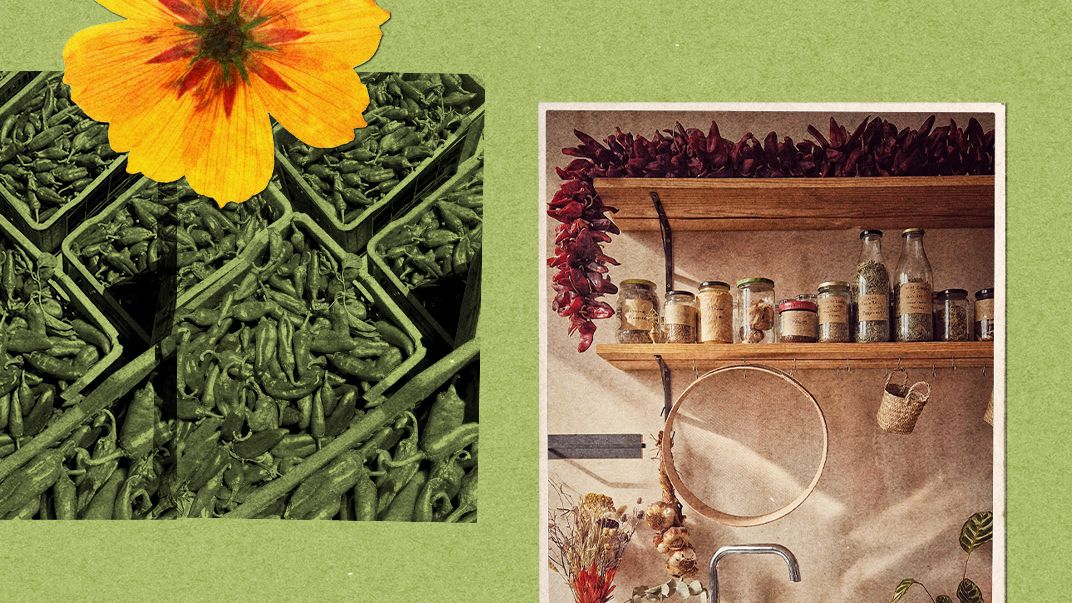
I grew up in a village on Tunisia’s Cap Bon peninsula, nestled between the Mediterranean Sea and fields of tomatoes and peppers, where harissa was born. My playground is the beach, my family’s farm, and my grandparents’ farm Hush—The central courtyard at the heart of a traditional house. Every year during the peak season, my mother, aunts, cousins and I would gather there. We would arrive the night before and sleep side by side, then wake up early while it was still cool.
By morning the house was packed with people. My mother’s cousins and neighbors also joined us. Trays, coffee and bundles of cloth used to dry couscous in the sun were passed from person to person. Boxes of freshly picked tomatoes line the walls, and large bags of semolina and flour are stacked nearby. Everyone knows what to pursue—even the kids. My cousins and I filled a basin with water to soak the garlic because we knew it would be easier to peel it.
when first happy Zagruta (Shout) rang through the house, work had begun. it always starts with Texas—The act of making couscous from scratch. Large metal trays and sieves were set out, and the oldest woman with an Amazigh tattoo on her face stood around them, her sleeves rolled back, her hands already dusted with semolina. Water, flour, repetitive motions – rolling, sifting, gathering, then starting again. A few years later, a French friend attended a Texas. she calls it dance of power——The dance of the hands. There is only one way to learn dance: watch, repeat, try again. Slowly, it will settle somewhere deep until you no longer need to think about it.
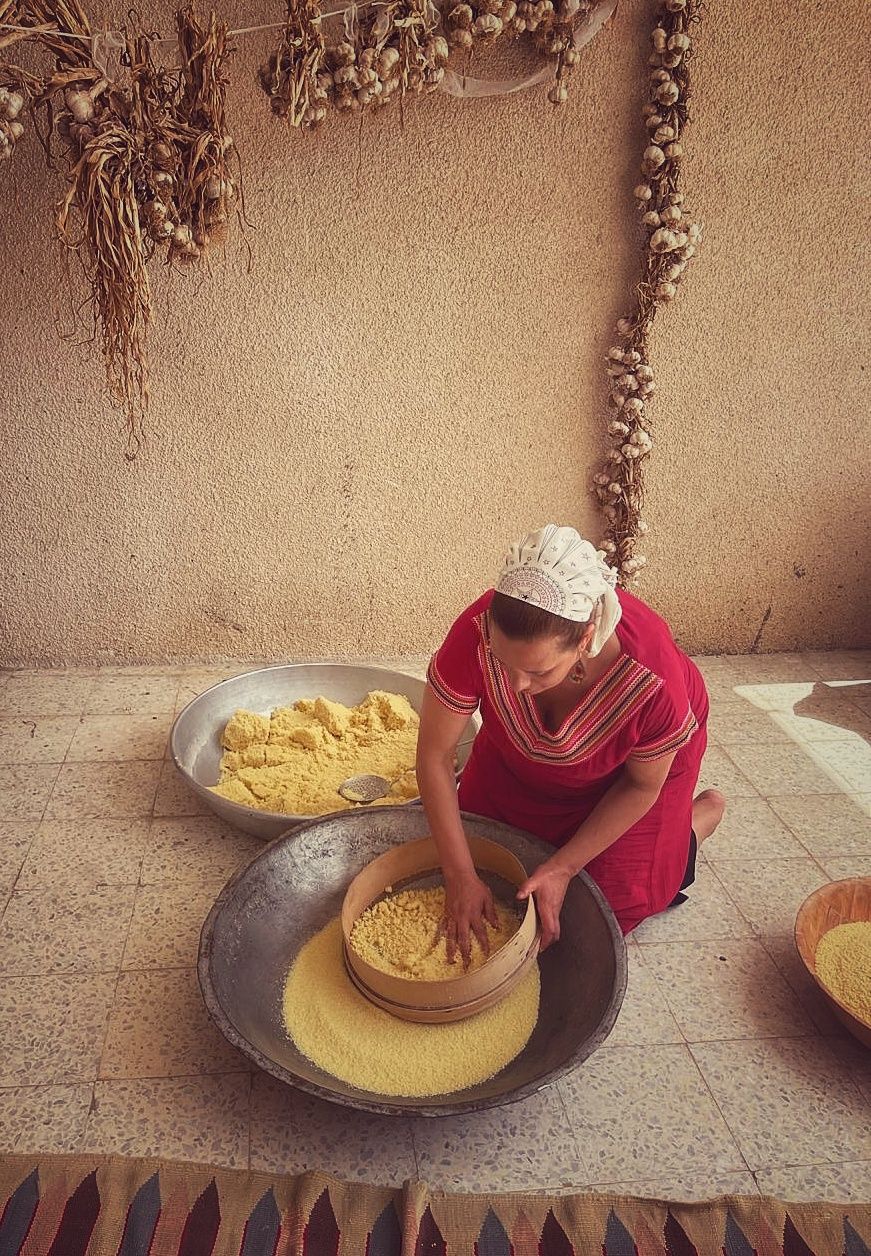
Photo: Busena Ben Salem
All around us, the courtyard is filled with other gestures: tomatoes split and left to dry, baklouti peppers (the native variety used in harissa) strung into garlands, figs blooming in the sun.
This is Ulla— Not just a way of preserving food, but a way of living in sync with the seasons: fermentation, drying, distillation, transformation. Even after I moved to France when I was eight, we returned to Tunisia every summer to attend Ulla. This matrilineal custom defines Tunisian food culture. As poetic as I find it, its creation was a necessity centuries ago—a way to prepare for the coming winter when supplies would be scarce. Without refrigeration, fermentation, drying, and salting were the only ways to prevent food from spoiling. This practice has not disappeared with modern times. Women throughout the generations have perpetuated it.