The Tamesis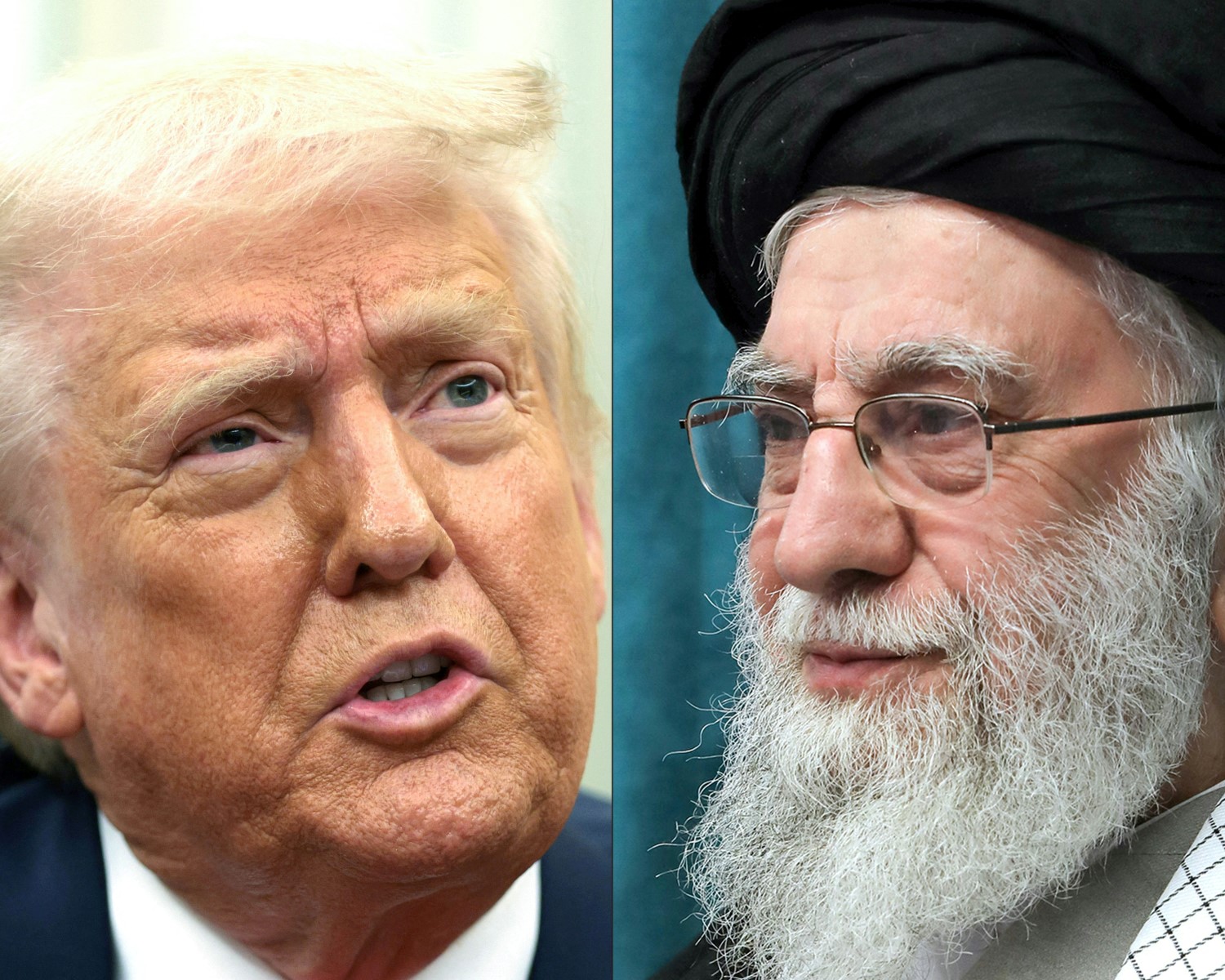
January 15, 2026
Islamabad – President Trump’s announcement comes amid a fierce crackdown on protests in the Islamic Republic that has left at least 500 people dead, according to human rights monitors.
The announcement marked a sharp escalation in Washington’s long-standing campaign to pressure Iran’s economy.
President Trump’s statement, issued via social media and announced “effective immediately,” aims to reframe tariffs as a foreign policy enforcement tool rather than a trade remedy measure, with reach across the globe and few apparent limits.
The language of the post is clear. Any country that maintains commercial ties with Iran, regardless of size or sector, will have its exports to the United States penalized.
This is not a sanction in the traditional sense. Iran is already subject to extensive U.S. restrictions. Rather, it is a secondary measure aimed directly at third countries, forcing them to weigh economic engagement with Tehran and continued access to the U.S. market.
Pakistan is also in trouble due to Trump’s latest move. Bilateral trade between Pakistan and Iran is estimated to be about $3 billion annually, which has grown steadily and is often conducted through barter or local currency arrangements, reflecting both sanctions restrictions and Pakistan’s own dollar shortage. At the same time, the United States remains Pakistan’s main export destination and a key player in its foreign relations.
The imposition of 25% tariffs on top of the existing US tariffs will directly affect Pakistan’s main exports, especially in this period of economic vulnerability, while a significant reduction in trade with Iran will have an impact on energy supplies, border economies and regional connectivity. Pakistan has limited options to circumvent this “final and decisive” order from the US president.
With the possibility of immunity virtually non-existent, Islamabad must either try to further informalize trade with Iran or scale back engagement at the expense of its domestic economy. But none of these choices are without consequences.
The U.S. move is fully consistent with Trump’s reinvigorated “maximum pressure” doctrine, which was first adopted after Washington withdrew from the Iran nuclear deal in 2018. The focus then was on achieving financial isolation through banking sanctions and oil export restrictions. Now, the pressure is being amplified through tariffs, shifting the burden from businesses and banks to the entire national economy.
However, the announcement did not answer key questions. The most basic concern is the definition of “doing business.” This sentence is intentionally broad. It can be read to include all forms of trade, investment, services or financial interaction without any thresholds or exemptions. It was not explained whether humanitarian trade such as food and medicine would be excluded, nor whether legacy contracts or indirect transactions would be treated differently.
Also unclear is the scope of “any and all business with the United States.” Tariffs under U.S. law apply to imported goods, not services or capital flows. If interpreted narrowly, the measure would still significantly increase effective tariff rates for countries trading with Iran, some of which already pay existing tariffs. If interpreted broadly, it would transcend established legal authority and trigger domestic and international challenges.
Currency issues are another unresolved issue. The statement made no mention of transactions denominated in U.S. dollars. In effect, this suggests that the tariff threat has nothing to do with access to the U.S. financial system but to trade access itself. This distinction is important.
Over the past decade, Iran and its trading partners have increasingly relied on non-dollar mechanisms, including barter and local currencies, to circumvent financial sanctions. Clearly, new tariffs tied to U.S. exports will apply regardless of how Iran-related trade is resolved, reducing the effectiveness of such workarounds but simultaneously increasing the incentive to diversify away from the U.S. market.
blanket tariff
What distinguishes this initiative from previous sanctions regimes is its scope. Traditional secondary sanctions target specific entities, allowing governments to demarcate the scope of compliance. Blanket tariffs imposed at the national level eliminate this flexibility. In theory, even minimal or token trade with Iran could trigger penalties for exports that have absolutely nothing to do with the United States. This transforms sanctions from a targeted tool into a form of collective economic pressure.
For Iran, the likely impact is further economic contraction. The country is already grappling with inflation, unemployment and currency devaluation, factors that have contributed to the recent turmoil. Reducing remaining trade channels could exacerbate these pressures, with the consequences felt most keenly by ordinary citizens rather than the Iranian state apparatus.
The international response is still taking shape, but divisions are already evident. China, Iran’s largest trading partner and major buyer of oil, has publicly rejected what it calls unilateral coercion. Compliance will come with strategic and economic costs that Beijing appears unwilling to bear.
Other partners, including India, Turkey and Gulf states, face more complex calculations, balancing exposure to U.S. markets with regional and energy considerations. European governments, long critical of U.S. extraterritorial measures, are likely to see the move as another erosion of multilateral trade norms, even if their response remains mild.
For now, Islamabad appears to have adopted a strategy of watchful waiting. No relevant authorities are prepared to undertake a documented assessment of the announcement, reflecting the sensitivity and uncertainty surrounding its possible implementation. Despite repeated requests for comment, officials remained cautious, privately acknowledging the risks of premature positioning. As one senior official put it bluntly, “Why are we sticking our necks out?”
Baqir Sajjad Syed is Dawn’s diplomatic and national security correspondent. His career spans more than 25 years in print and broadcast journalism. He is a former United Nations Reham Farah Fellow and held a Pakistan Fellowship at the Woodrow Wilson Center in Washington, DC. You can find him on X as @baqirsajjad.