The Tamesis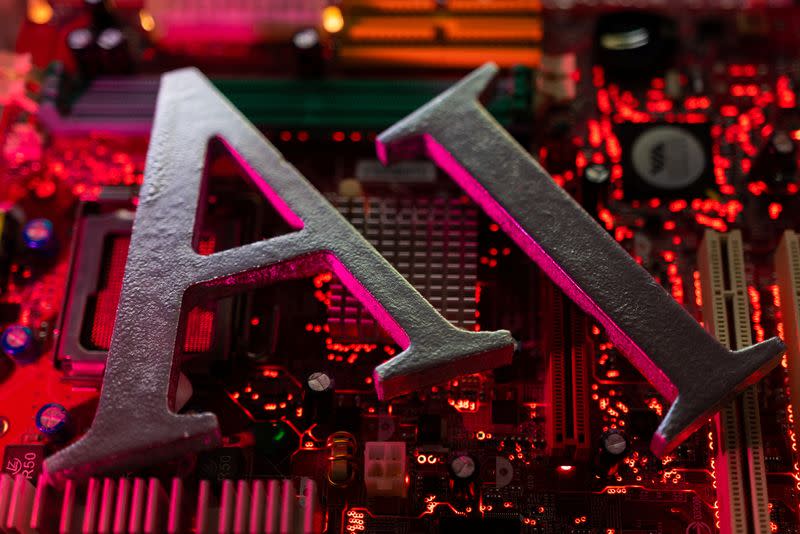
Asian shares fell on Friday after disappointing forecasts from chip giant Broadcom and ongoing concerns about an artificial intelligence “bubble”, while efforts to reach a peace deal in the Middle East remained dogged by animosity between Israel and Hezbollah.
After leading several markets to record highs this year, technology companies are facing selling pressure on concerns that huge investments in artificial intelligence have gone too far and could lead to overvalued stocks.
Broadcom Inc’s third-quarter revenue forecast fell short of expectations on Wednesday, raising concerns among investors who are piling into artificial intelligence. That triggered a sell-off on Wall Street on the Nasdaq, with traders taking profits and moving to other sectors.
See also: China dumping, Iran war worsen steel industry crisis: OECD
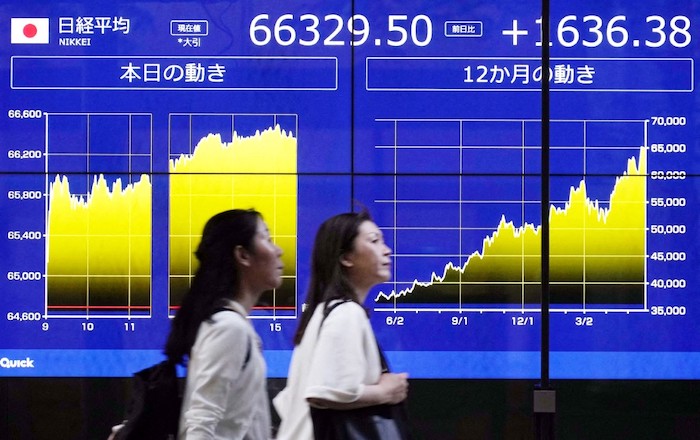
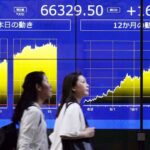
The losses have also spread to Asia, with tech-heavy Seoul and Tokyo – which have led the region’s economic growth this year – retreating from record highs.
South Korean stocks fell nearly 7% at one point on Friday before eventually falling 5.5%, after falling 1.8% the day before. Tokyo’s Nikkei also fell more than 1%, matching Thursday’s losses.
The losses come as investors consider the upcoming initial public offering of Elon Musk’s SpaceX, which aims to raise $75 billion in the largest initial public offering ever. The company said in a regulatory filing that it will sell more than 550 million shares next week at $135 a share, which could value the company at $1.8 trillion.
Hong Kong, Sydney, Shanghai, Singapore, Bangkok and Taipei also posted losses.
Wellington, Mumbai and Manila posted modest gains.
Jakarta’s losses were compounded as concerns mounted over the state of Indonesia’s economy and the rupiah, which has been hit by soaring oil prices.
London and Frankfurt opened lower, but Paris gained.
Hezbollah hopes Israel will properly cease fire and withdraw troops
“Broadcom’s lower-than-expected revenue triggered profit-taking across the semiconductor industry and gave investors reason to pause after the recent AI-driven rally,” City Index’s Fiona Cincotta told AFP.
“Broadcom’s results suggest that investor expectations may have exceeded fundamentals.”
The latest AI turmoil comes as investors are nervous about the uphill battle to end the crisis in the Middle East.
leader of armed organization Hezbollah on Thursday rejected a conditional truce announced by Lebanon and Israelcalling for a comprehensive ceasefire and a full withdrawal of Israeli troops from its northern neighbor.
Naeem Qasim’s message came after the two sides agreed to a conditional ceasefire, which the Lebanese president said was the “last chance” for a lasting end to the fighting.
Negotiations between Iran and the United States also appear to be going nowhere, with Iran reporting “no substantial progress,” although U.S. President Donald Trump expressed optimism again, telling reporters that a deal “may be possible by the weekend.”
Still, oil prices held on to recent losses amid lingering optimism that a deal would eventually be reached and that the Strait of Hormuz, through which a fifth of the world’s oil normally passes, would reopen.
Official U.S. jobs data released later in the day also took center stage after private data beat expectations, suggesting the economy remains healthy and fueling bets the Federal Reserve will raise interest rates.
Key data around 0715 GMT
West Texas Intermediate crude oil: fell 0.3% to $92.81 a barrel.
North Sea Brent crude oil: rose 0.2% to $95.17 a barrel.
TOKYO – Nikkei 225: down 1.3% to 66,588.12 (close).
Hong Kong – Hang Seng Index: down 1.0% to 25,005.30.
Shanghai – Composite Index: fell 0.7% to 4,027.74 (closed).
LONDON – FTSE 100: down 0.2% to 10,336.27.
USD/JPY: fell from 160.03 yen to 159.94 yen
NEW YORK – Dow Jones: up 1.7% to 51,561.93 (close).
- Further editing by Jim Pollard, AFP
See also:
Asia ‘worst hit by energy crisis’ due to Iran war
Energy crisis triggered by Iran war fuels renewable energy boom, IEA says
War with Iran could hit some of Asia’s biggest economies hard
China’s trade surplus tops US$1 trillion as exports surpass US
The International Monetary Fund tells China: Cut exports, increase consumption, and “let go of the zombies”
Trump’s ‘no exemption’ tariffs unnerve Chinese steelmakers
Foreign companies struggle amid China’s recession and trade war
Investigation finds Asian steelmakers failing to switch to renewable energy