The Tamesis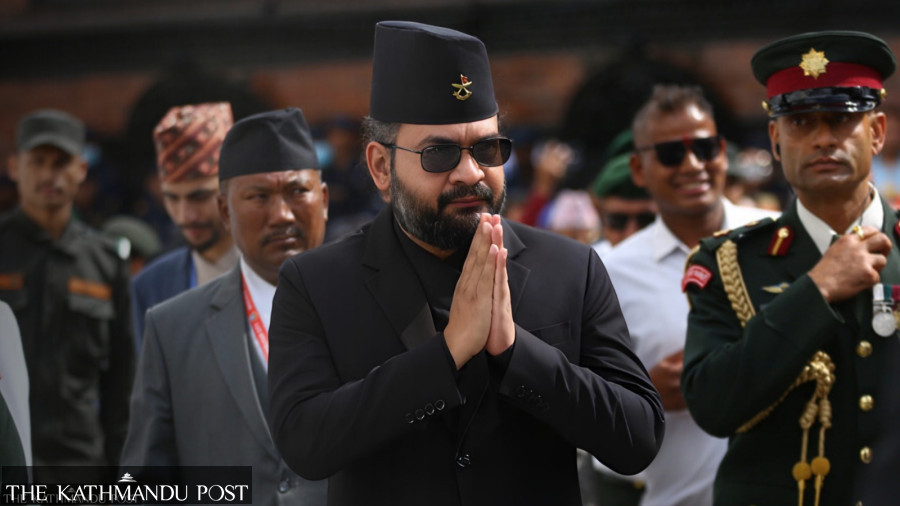
March 12, 2026
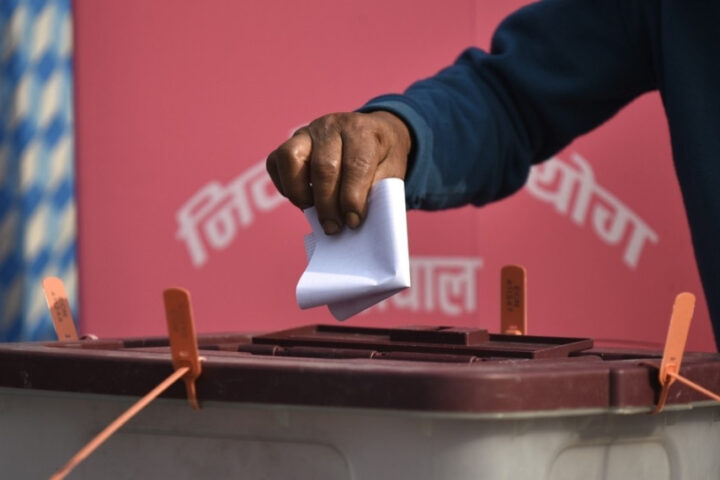
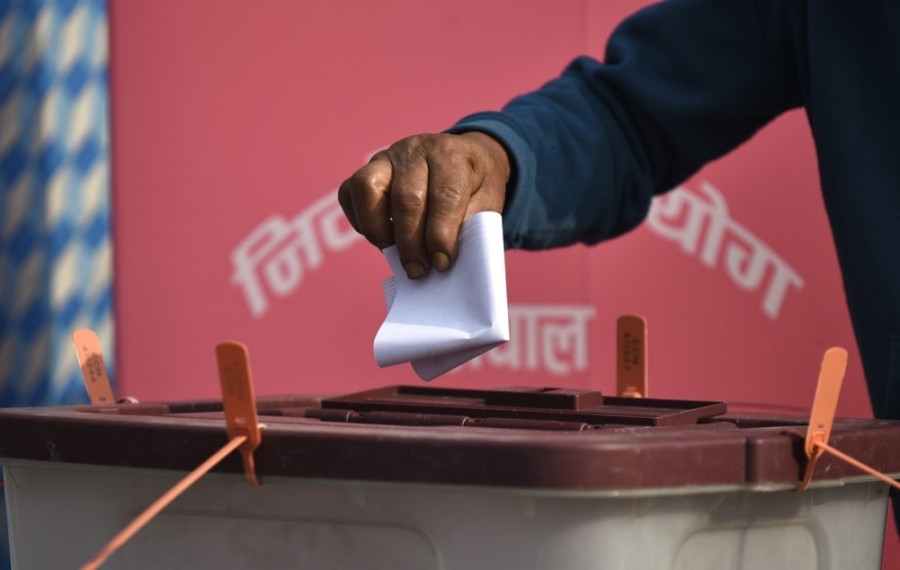
kathmandu – As the counting of votes in the parliamentary election nears completion, putting the People’s Party (RSP) on track to secure a near-two-thirds majority, comments from some party leaders have raised questions about the party’s candidate for prime minister.
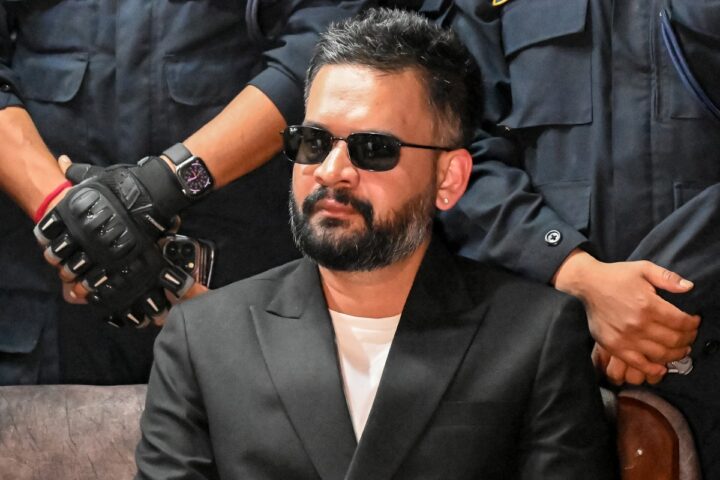
The seven-point agreement between the RSP and Balendra Shah envisages the former Kathmandu mayor becoming the party’s candidate for prime minister. Article 4 of the agreement stipulates that Rabbi Ramichahn will continue to serve as the party’s chairman, while Shah will become the leader of the parliamentary party and the party’s candidate for prime minister.
However, after the election victory, the party’s non-committal remarks made by Chairman Ramich Chan and Deputy Chairman Ayal in response to media inquiries sparked public debate. Ayal, who hails from Kathmandu’s 9th constituency, faced criticism on social media for his remarks about the implementation of the agreement.
Asked whether the seven-point agreement under which Barron became prime minister would be implemented, Ayal said, “I may need to look at the agreement again myself. I don’t remember every detail. If what you said is actually written there, then it will be followed.”
When pressed further, Ayal said he did not see the need to make any such commitment to the media.
The same question was also raised with party president Ramich Chan. However, his rather evasive response only fueled further speculation. When asked if Barron would serve a full five years as prime minister, he seemed to try to avoid the question.
Ramichan, who won a landslide victory in Chitwan 2 constituency, is unlikely to become prime minister immediately as cases against him involving collaborative fraud, organized crime and money laundering are currently pending in various courts.
But lower-level leaders say Barron will not be betrayed.
Real Socialist Party leader Hishir Kanal said Barron will indeed become prime minister. Canal argued that since the party had announced Barron as its candidate for prime minister before the election and sought a public vote on that basis, there was no room for the party to go back on that promise.
“The party will not object to the implementation of the seven-point agreement,” Kanal, who was one of the Real Socialists’ negotiators during unity talks with Barron, told The Washington Post.
Along with Canal, another negotiator from Barron’s side who was involved in drafting the seven-point agreement also expressed confidence that the agreement will be honored.
Days after the seven-point agreement was reached, the RSP organized its first public rally in Janakpur, the capital of Madhesh province. The public rally featured Shah, who had resigned as mayor a day earlier.
Barron, who comes from Mahatoli district in Madhesh province, rarely gives public speeches, but this time, he said: “Madhesh’s son will become the prime minister of the country.”
Previously, on December 28 last year, he decided to join the RSP, which became the fourth largest force in the 2022 general election. The party has promised to appoint Barron as prime minister if it wins enough seats in the March 5 election.
The RSP exceeded expectations, winning 125 of the 165 direct seats and securing around 50% of the proportional representation (PR) votes that were still being counted after the March 5 election. There are 110 PR seats in the 275-seat parliament.
At the same time, the Election Commission, which has completed the counting of votes in the FPTP system, said it will also complete the PR counting and submit a final report to President Ramchandra Paudel before March 19. After receiving the report, the president will convene a meeting of the newly elected parliament and then elect a new prime minister.
Experts believe Barron successfully capitalized on the wave of support generated by the September uprising to give the party top electoral status.
The new RSP may even be stronger than the 2017 CPN-UML alliance and the then CPN (Maoist Centre). The two parties later merged to form the Communist Party of Nepal, with a total of 174 seats in parliament.
Some RSP leaders believe the party already had strong goodwill ahead of the election, as evidenced by last year’s signature campaign against the then-government’s decision to detain party chairman Rabi Lamichane over cooperation in a fraud case. Accordingly, these leaders claim that the party’s current electoral performance cannot be attributed solely to Barron.
“The party did not become popular overnight. The enthusiastic public participation in the signature drive we launched also shows that there is considerable public goodwill towards the party even before someone joins it,” said a leader close to party chairman Ramich Chane, who did not want to be named.
The party claims more than four million people have taken part in the signature drive.
Political analyst Chandra Dev Bhatta said Barron played a key role in getting votes for the RSS, despite claims by some party leaders.
“This result owes more to Barron as an individual than to the RSS as a party. Not to appoint him as prime minister would be to cheat the electorate,” Barta argued.
However, Bhatta also noted that RSP regulations could make it tricky for Shah to become prime minister.
Article 66, paragraph 8, of the Constitution provides for the election of the leader of the parliamentary party in the House of Representatives. It provides that, before federal elections, leaders should be selected through a competition between interested candidates who have been selected as candidates under the PR or FPTP system.
The statute states: “The leader of the parliamentary party in the House of Representatives shall be elected by voting from among the candidates interested in the federal elections selected by the party under the PR and FPTP systems.”
Subsection (b) further provides that all rank-and-file members of the party shall be eligible to vote at the election referred to in subsection (a). The candidate who receives at least 50% plus one of the total valid votes will become the party’s parliamentary leader. If no candidate obtains the required majority, the constitution provides for a second round of voting between the two candidates with the highest number of votes.
The regulations say: “If no candidate obtains 50% of the total valid votes plus 1, a run-off election will be held between the two candidates with the highest number of votes, and the winner will become the parliamentary leader of the party.”
Under Article 76(1) of the Constitution, the President must also appoint as Prime Minister only the “leader of the parliamentary party” who has a clear majority in the House of Representatives.
However, party leader Kanal said that the RSP used to select parliamentary leaders based on the votes of elected members, rather than strictly following party rules. Therefore, he believes that this regulation will not pose an obstacle to Barron’s election as prime minister.
“The party doesn’t even need to change its charter to make Barron prime minister,” Kanal said.