The Tamesis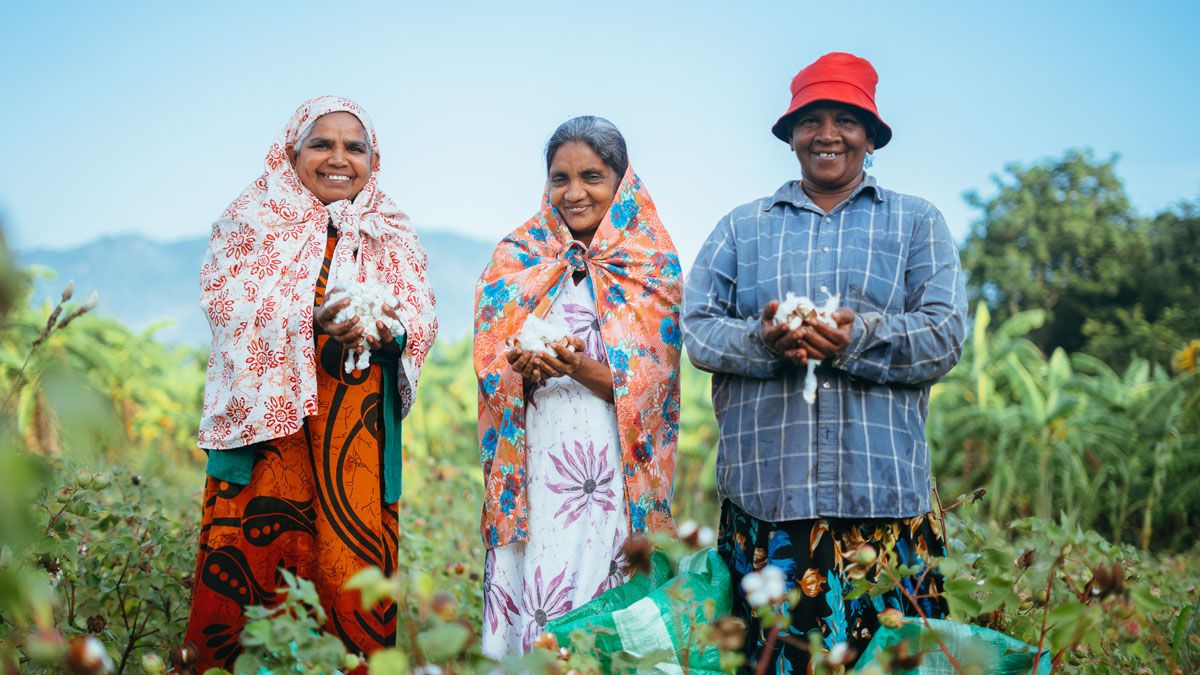
Monaragala, deep in Sri Lanka’s agricultural heartland, is experiencing unseasonably hot and humid conditions in early April. A five-hour drive from the capital, Colombo, it is the home of a unique initiative: reintroducing an almost forgotten ancient way of growing cotton to the region and incorporating modern, regenerative techniques.
Project Exiled, launched in 2025 by UK recycling and waste management company Mygroup and designated for Sri Lanka operations by Fibershed Sri, is attracting interest from local farmers who are increasingly disenfranchised by debt traps and dependent on agrochemicals needed to produce common crops in the region: rice, corn and millet. Price volatility and expensive fertilizers mean many farmers are trapped in a cycle of bank debt, relying on loans to survive and barely making a profit. To break the system, Fibershed Sriila is helping farmers convert farmland into recycled cotton, focusing on paying a fair price through cooperatives – a model that existed before the Sri Lankan economy industrialized in the 1970s.
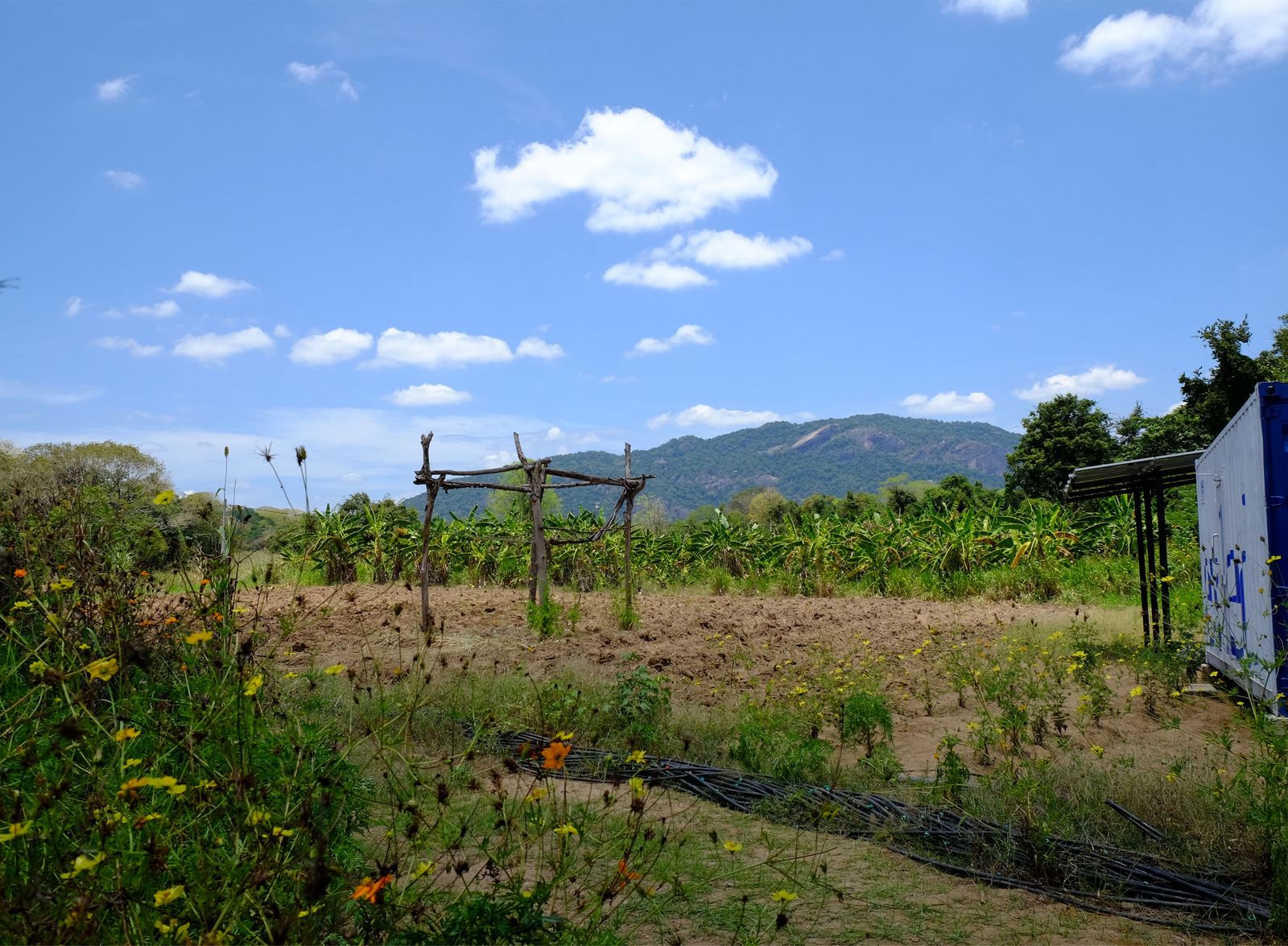
The program is still in its infancy but has already demonstrated the potential for social and environmental impact in the raw material supply chain. Mygroup, which specializes in hard-to-recycle materials such as textiles, began leasing an acre of abandoned farmland in February 2025 after company director Steve Carrie met Fibershed Sri Lanka country director Thilina Premjayanth during a holiday the previous year. The pilot crop combines regenerative agriculture techniques and ancient Chena farming methods to produce 280 kilograms of cotton. It is now being woven into textiles at a handloom center in Kurunegala, northwest Sri Lanka, and has been purchased by Mygroup’s ReFactory arm for use in its new brand – the project will later be called Exiled – due to be launched this week.
“Even if we don’t get a cotton crop, it’s always a success because we leave the soil in better condition than we found it,” says Mygroup’s textiles manager Rebecca O’Leary. This year, Fibershed Sri designated 20 local farmers to expand the recycled cotton project to 25 acres, with plans to expand to 100 acres and 50 farmers in 2027. They established a cooperative, the Cotton Farmers Cooperative, to support participating farmers, training them in regenerative practices, providing interest-free loans to purchase seeds and compost ingredients, and establishing a fund for sick pay and emergencies.
Soon, on-farm cotton ginning and spinning centers built out of shipping containers will be operational, allowing farming families to process their own harvests. The cotton yarn will then be naturally dyed locally and woven into fabric before being sent to ReFactory’s Hull factory in the UK to produce Exiled garments.