The Tamesis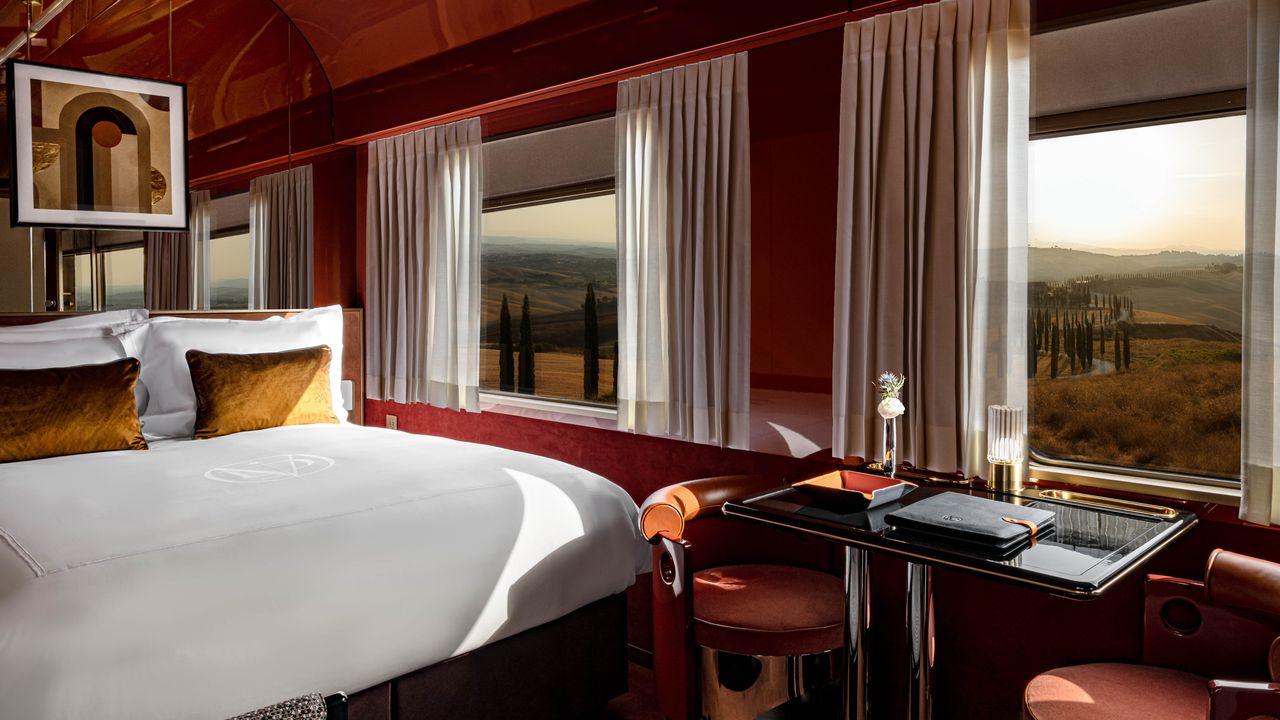
It’s a warm and breezy morning on the Ligurian coastline, and I’m sipping freshly brewed Italian coffee while staring out the window. Through the glass I could hear the low calls of seagulls. If I strained my ears hard enough, there was a hollow clicking sound as thousands of smooth stones rolled against each other as the waves advanced and receded. Looking directly out to sea from my perch, I saw striped parasols on the beach not far away, beneath which the first sunbathers of the day began to gather, tentatively dipping their toes into the turquoise water. Then my bed rocked forward and I heard a slight squeal of metal on metal. No, it wasn’t an earthquake; No, my bedroom will not fall into the Tyrrhenian Sea. It’s 8 a.m. on the Orient Express La Dolce Vita train and we have less than two hours to reach Santa Margherita Ligure station. So, as the Italians say: Andiamo.
To recap: I’ve been fascinated by the glamor and mystique of luxury sleeper trains since my teenage crush on Agatha Christie. Over the past few years, the options for enjoying a luxurious night on the rails have become more diverse (though, admittedly, pricey) than ever – from Peru to Penang, Cornwall to Cape Town, the possibilities are endless. That’s why when the Orient-Express returned to the scene last year (the rights to the name were acquired by Accor in 2017 and work on the new train fleet had been underway for nearly a decade), the aim was to do something a little different. Of course, the brand is still tapping into the nostalgia factor, but instead of looking back to the heyday of high-end rail travel in the 1920s and 1930s, they’re looking at another equally wonderful chapter in Italian history: la dolce vita. (I guess the clue is in the name.)
They had more than trains in mind, either. In fact, my trip began with a two-night stay at the Hotel Orient-Express Minerva, a charming New Rome hotel just steps from the Pantheon and right in front of Bernini’s iconic elephant and obelisk statues in Piazza Minerva. Housed in a 17th-century former noble mansion, the building has been a hotel since 1811 and is a grand but slightly dusty fixture on Rome’s hotel scene before the cobwebs were cleared away during a four-year renovation overseen by French-Mexican architect and designer Hugo Toro.
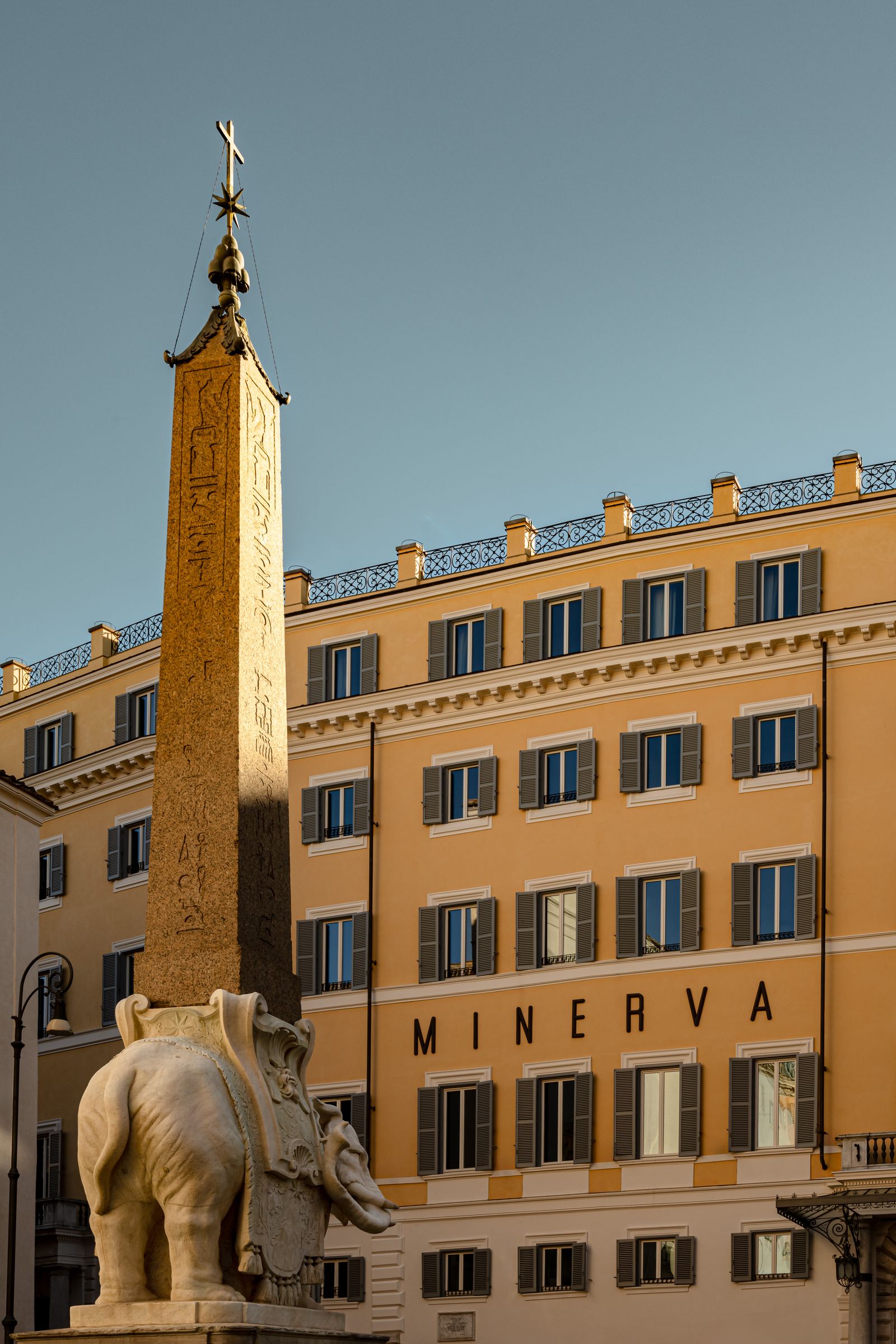
Photo: Mr Tripper
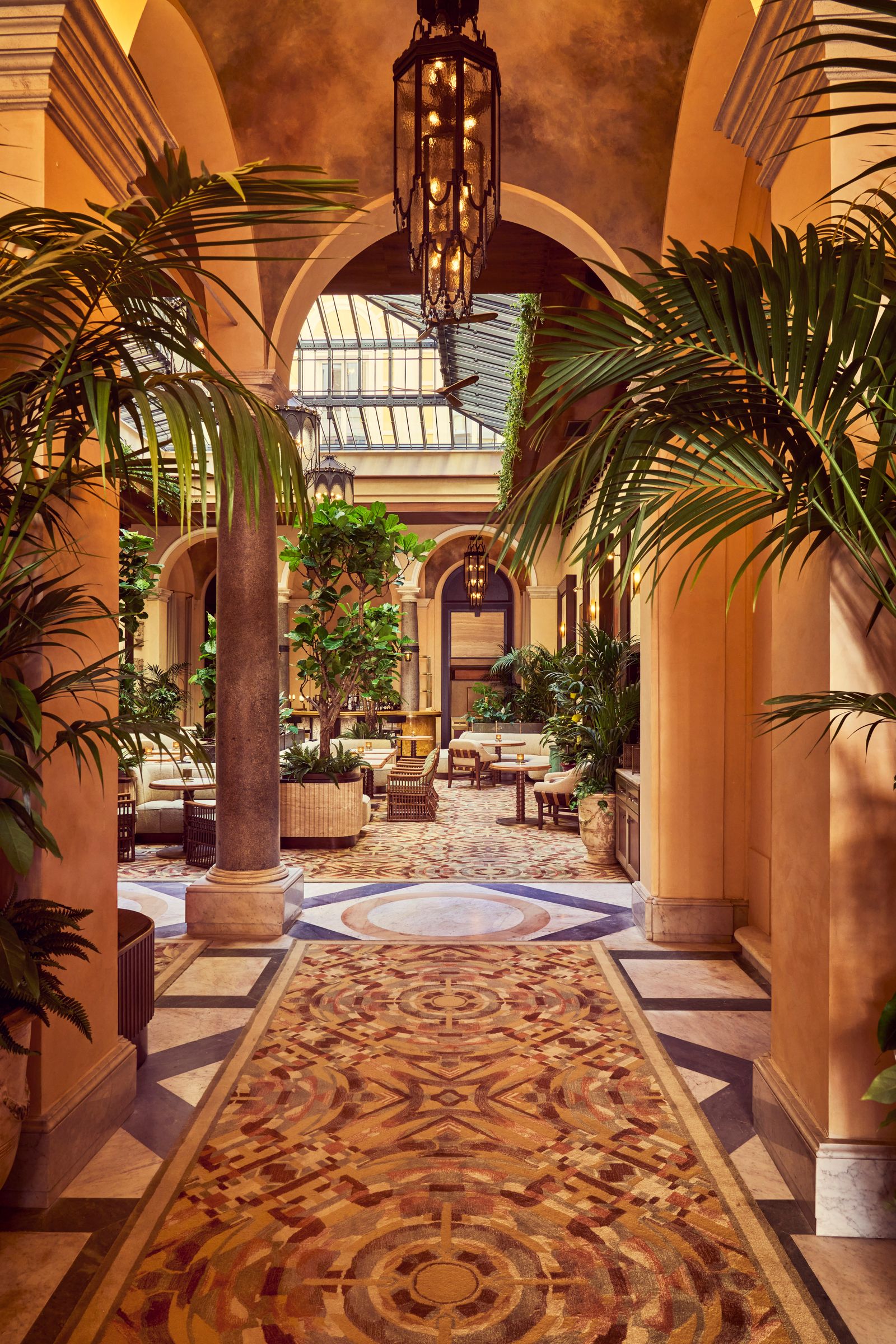
Photo: Alexander Tabast
I can safely say that the results are amazing. After being greeted by a uniformed doorman and collecting my key from the stylish Art Deco reception area (all brass, marble and gleaming walnut surfaces), I entered the winter garden-style courtyard at the heart of the building, which is arguably the most opulent hotel lobby in Rome: beneath a conservatory-style glass ceiling, giant potted palms surround a scalloped bar carved from travertine marble and sit in front of a classic statue of the goddess Minerva. Wisdom, justice, law and victory. (The lineup is good.) I was then taken to one of the hotel’s signature suites: the Stendhal Suite, named after the legendary French author who had been a regular at the hotel as far back as the early 19th century.