The Tamesis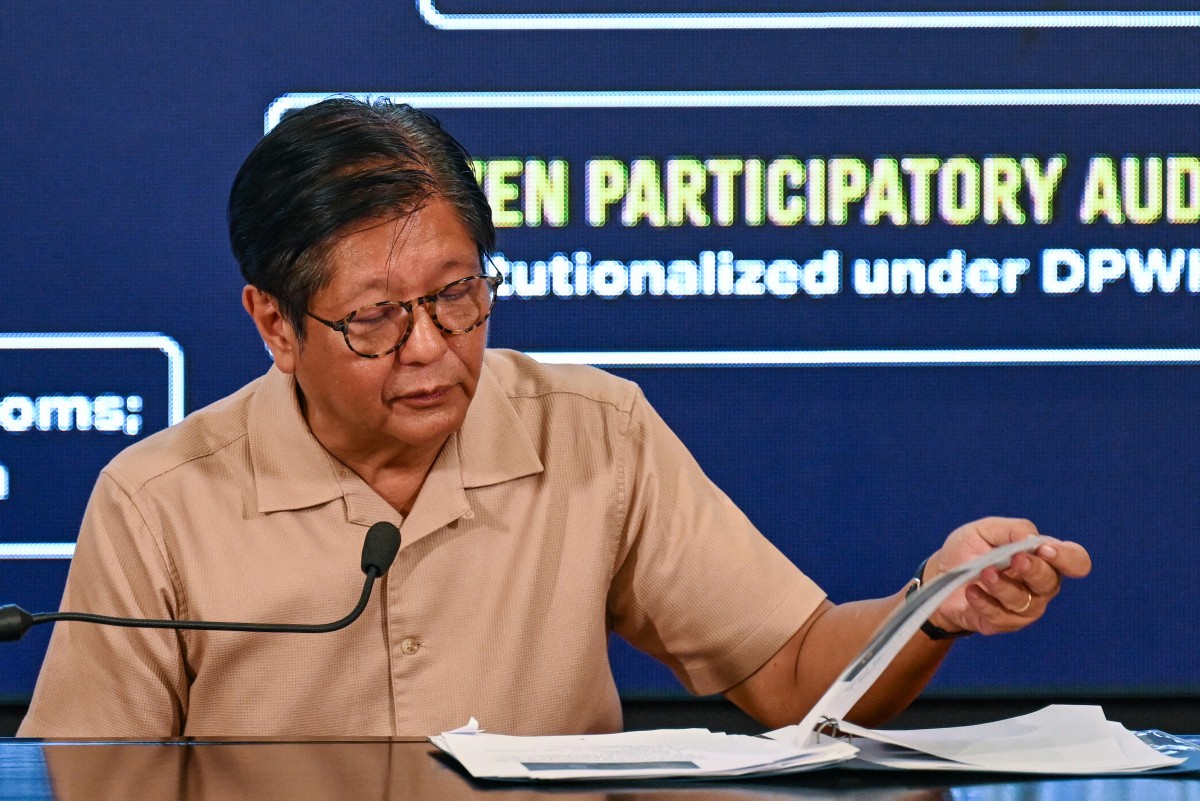
January 27, 2026
Manila – We are familiar with the concept of a caretaker government – a temporary leadership that exists primarily to maintain the status quo, maintain stability and avoid risks that could disrupt the prevailing order. However, we can speak more broadly of caretaker politics when this minimalist approach characterizes almost the entire political system.
This is where we are today. The executive branch has little ability to hold political allies implicated in the flood control corruption scandal fully accountable or to institute meaningful reforms to the state’s budget and procurement systems. Congress, for its part, remains deeply mired in patronage politics and pork-barrel dispensing — barely able to expose the abuses that maintain its own power.
It’s not even necessary to claim that the president himself is corrupt, or that each legislator is personally implicated in scandal, to explain the paralysis in decision-making we now observe. It is in this context that caretaker politics thrives: when one does not need to be evil for anything decisive to happen. One need only equate prudence with governance.
The origins of the Marcos presidency made this risk-averse stance possible from the outset. President Marcos came to power with an overwhelming electoral mandate but no clearly articulated reform agenda. His victory was built on nostalgia, coalition-building and the promise of political calm rather than on urgent demands for institutional change. Governance during the first half of his term was largely reduced to system maintenance – placating markets, stabilizing diplomatic relations after a period of volatility, lowering the political temperature and shelving unresolved conflicts.
However, caretaker politics is often disrupted by events. In Mr. Marcos’ case, two developments briefly lifted him out of this passive stance: a public break with the Duterte family that culminated in the International Criminal Court’s execution of an arrest warrant for former President Rodrigo Duterte in March 2025; and severe flooding after monsoon rains that exposed the failure of extremely expensive flood defense projects to protect vulnerable communities.
These developments set the stage for the President’s State of the Union address in July 2025. At that time he used a sharp “Mahiya naman kayo!” Few anticipated the ensuing surge in public outrage and reformist expectations. For a brief period, the president seemed ready to abandon caretaker politics and assert political leadership.
Six months on, that moment looks more and more like a missed opportunity. The government invited citizens to submit their views on flood control projects and established an independent commission on infrastructure to gather information and recommend prosecutions. These are meaningful steps. But the public debate quickly narrowed down to a familiar script: the pursuit of “big fish” and the spectacle of punishment. The deeper task of redesigning budget and procurement systems that normalize corruption has been eclipsed.
When the promise of prison time for felons failed to materialize, cynicism returned. Corruption is once again seen as individual greed rather than structural dysfunction.
Now, Mr. Marcos appears to be back in caretaker mode. Facing his own impeachment complaint and relying on fragile congressional support, he has no incentive to upset the balance that sustains his presidency. Political reconciliation has once again taken precedence over structural reforms.
However, this opportunity for reform need not be entirely wasted. We have learned important lessons that can still inform a reform-minded president in 2028. Corruption must be recognized as a systemic problem. Civil society must be institutionalized as legitimate observers of budget, procurement and audit processes. Public works must be rebuilt around traceable accountability. Reform blocs must replace isolated reformers. Exposure must trigger automatic consequences, not arbitrary mercy.
Caretaker politics may provide temporary stability, but it also masks decline. When politics is limited to managing the consequences of corruption rather than eliminating its causes, it abandons its transformative role.
The next president will inherit not a blank slate but a well-diagnosed festering system failure that serves as a solid foundation for a reform agenda. Whether it again chooses to be a timid caretaker or ultimately a bold changemaker will determine whether reform remains a recurring commitment or becomes a governing principle.