The Tamesis
A week after an exhibition at India’s top biennale, the Kochi-Muziris Biennale, was closed due to religious protests, the painting in question has been withdrawn from the show.
Work, Dinner at the nunnery Works by Tom Vattakuzhy are on display at the Kochi Biennale Foundation in a regular side exhibition called EDAM, which highlights the practices of artists and collectives from the southern Indian state of Kochi. The painting depicts the nude Dutch dancer Mata Hari, who was executed by the French during World War I as a German spy, playing the role of Jesus, surrounded by nuns playing disciples.
Related articles
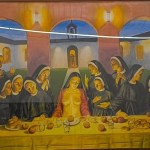
Since its opening in December, the exhibition has faced strong opposition from several Indian Christian organizations, which have accused the artist of “insulting” the faith and called for the painting to be removed. (Kerala has the largest Christian population in India, with about 6 million believers.) In response, the Kochi Biennale Foundation closed the exhibition for several days last week.
Although Vatakuz denied that the work was intended to offend, and the foundation initially said it would not remove it, both sides backed down on Sunday. The foundation said in a press release that despite earlier statements that it would reopen on January 2, EDAM’s grounds remain closed to comply with government directives regarding an ongoing petition to remove the painting. The foundation also said it held meetings with local officials on the matter.
The statement said: “Thereafter, the curators of ‘Edam’ and the artists involved decided to withdraw the painting from the exhibition out of respect for public sentiment and public interest. The Kochi Biennale Foundation, which has always advocated artistic and curatorial freedom, respects their decision. Therefore, the work will no longer be exhibited at the venue, which has now been reopened to the public.” indian express.
The EDAM site opened shortly after the painting was removed.