The Tamesis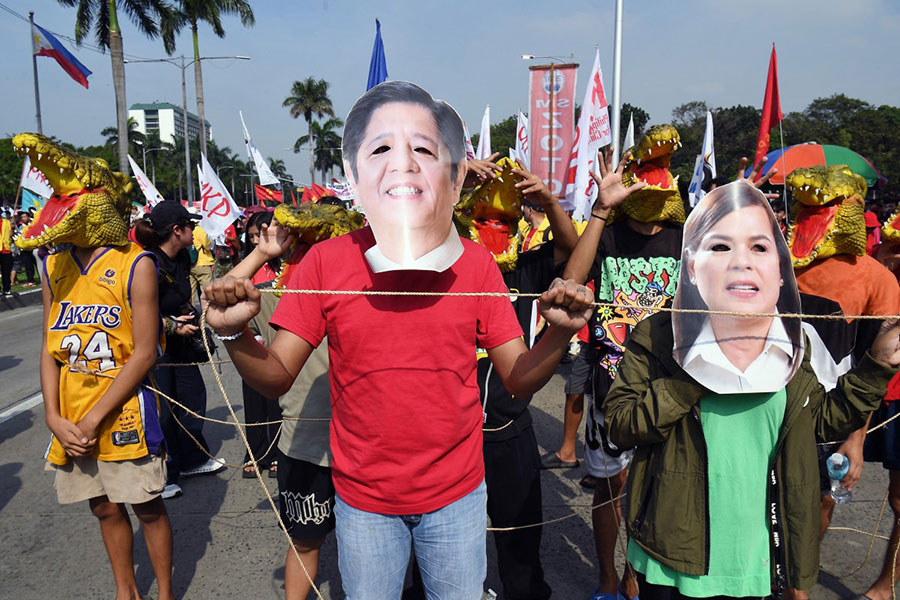
December 30, 2025
Manila – 2025 exposed corruption that many Filipinos had long suspected but hoped would finally come to fruition. The flood control scandal – where billions of dollars were allegedly looted to protect communities from flooding – shattered the comfortable lie that the theft of public funds was victimless and politically untouchable. From the president’s fiery State of the Union address to massive street protests and arrests of contractors, the consequences are shocking and have opened a rare window for public accountability.
But as we stand on the threshold of 2026, this window risks becoming an arena for show trials and selective purges unless institutions, media and citizens adhere to an uncompromising principle: justice must be fair, transparent and based on law.
Reports that monitors are preparing to file charges that could lead to jail time for high-profile political figures — including Sen. Chiz Escudero, Sen. Jinggoy Estrada, Sen. Joel Villanueva and Rep. Eric Yap — are to be welcomed only if they follow credible evidence rather than partisan passion. The central witness to the allegations is former DPWH Usec. Roberto Bernardo puts names at the heart of scandals ranging from ghost projects to alleged budget insertions. These allegations are explosive and deserve a thorough and impartial investigation.
Equally troubling are the allegations surrounding armored trucks and the alleged transport of billions in cash at a luxury hotel – allegations now involving a former DPWH Sec. Manuel Bonoan, former director of the Education Bureau of the Ministry of Education. Trigyve Olivar, former Palace Undersecretary Adrian Panganiban and former Justice Department Judge Usec Jojo Cadiz Jr. If there is any truth to these sensational narratives, they must be adhered to the full force of the law. But sensationalism cannot replace due process. People must be provided with reliable forensic audits, chain-of-custody explanations, and public accounting of how these allegations are substantiated.
Zardi is reportedly now in Portugal or Spain and could be arrested next year, another litmus test. Will his arrest overseas lead to a thorough investigation of clues running up and down the ladder of power? The same question applies to any recommendations from the Independent Commission on Infrastructure (ICI) regarding former House Speaker Martin Romualdez. One accusation after another is made public; agencies must translate them into admissible evidence or risk turning the courts into arenas of political reckoning.
The web of scandals has been complicated by competing leaks and dossiers – from the so-called “Cabral dossier” raised by Batangas Rep. Leandro Leveste to the “DPWH leaks” circulated by the media. The conflicts have put Minister Dizon and the key watchdog in an impossible dilemma: managing a flood of allegations while ensuring whistleblowers and defendants are treated fairly. The answer cannot be reflexive silence or knee-jerk rejection. What is needed is protected channels for credible whistleblowers, rigorous verification protocols, and public disclosure of investigative steps so that people can see the law at work, rather than a stage for accusations.
But in general, public trust is not some abstract measure. The November SWS survey showed the president’s “high trust” rating slipping to 38 percent, a stark warning. Analysts are right that actual convictions of those who looted public works could foster a rebound in trust. But the opposite is also true: Empty gestures, staged arrests or selective targeting of opponents will deepen cynicism and spark more protests rather than healing the country.
The calendar is unforgiving. With the next presidential campaign season just around the corner, 2028, the Marcos administration faces stark choices. We must complete the arduous task of reforming the system and fairly investigating the real perpetrators of flood control. On the other hand, it could try to turn accountability into political weapons that purge rivals, including a new round of impeachment complaints and accusations against Vice President Sara Duterte.
Going forward, we must all insist on due process in these investigations. It must be evidence-based and, where possible, open to the public and subject to independent forensic audit. Rumors and viral videos are no substitute for admissible evidence.
Protect, verify and utilize only qualified whistleblowers: Create a secure, independent mechanism to protect sources and quickly verify reports through impartial forensic accountants and prosecutors.
Prosecutors must eliminate politics. The Ombudsman, the Sandiganbayan, the Ministry of Justice and the courts must resist becoming tools of political warfare. Speed is necessary, but not at the expense of fairness.
We must end the culture of opaque plug-ins and discretionary slush funds when it comes to the annual state budget. Strengthen whistleblower protections and institutionalize public asset recovery processes through procurement and budget transparency reforms.
It is important for us, the media, churches, citizen groups, and voters to hold these government agencies accountable every step of the way. A free press and an engaged citizenry are the best safeguards against impunity and political persecution.
People who lost their homes and lives to the flooding deserved more than emotional rhetoric and televised handcuffs. They should start by restoring the systems that prevent theft — transparent budgets, responsible procurement and independent oversight, no matter which way the political winds blow through Malacañang, Congress or the courts.
If the coming indictments and investigations are genuine, comprehensive, and status-agnostic, this moment could be the beginning of a true moral and institutional cleansing. However, if they become selective, dramatic, or procedurally flawed, they will only deepen corruption and create another generation of cynics who believe that in the Philippines, the law is a weapon, not a shield.
We still have two years to go. Our country deserves justice. Not a show. Not a news report. Only real, fair justice can restore confidence and ensure public services regain public trust.