The Tamesis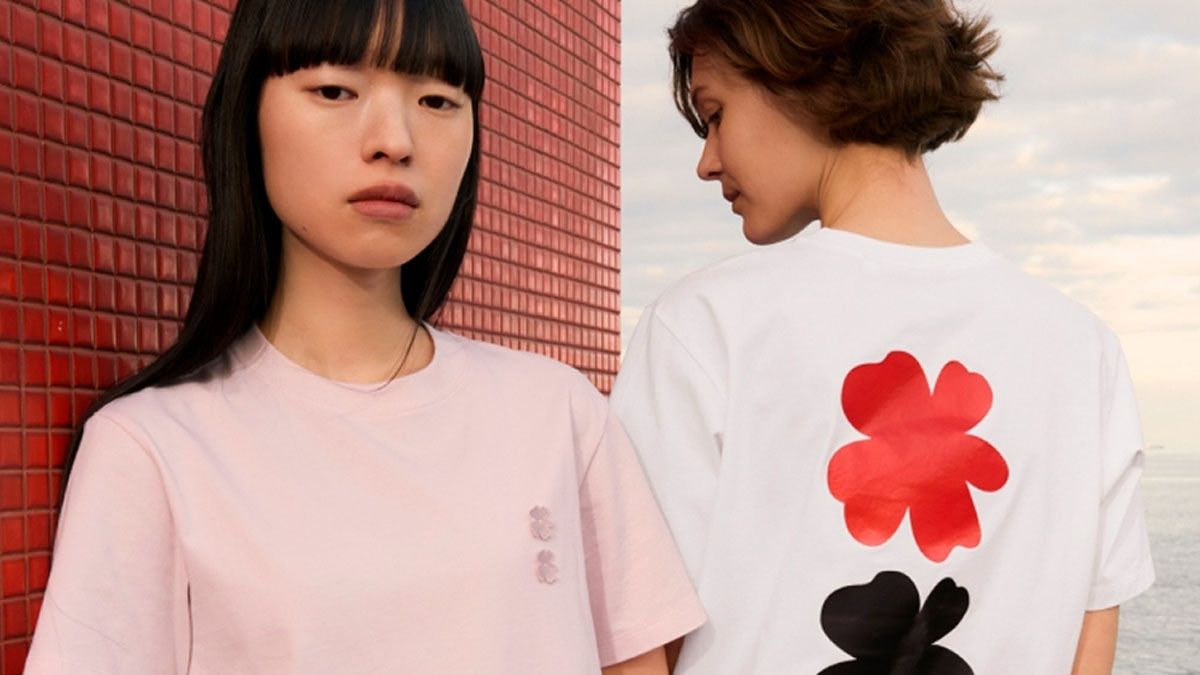
For 20 years, global brands and retailers have been leveraging the cultural cachet of luxury brands and disruptive fashion newcomers to launch high- and low-end collaborations. These widely distributed, more affordable capsule collections are largely promoted as a way to democratize fashion, bringing products otherwise unavailable to everyday consumers. But a range of recently released products goes a step further, tapping into brands that have built their reputations on sustainability.
“It’s an exchange of trust between two stakeholders,” says Shivam Gusain, a lifecycle analyst and founder of consulting firm Decypher. This comes with inherent risks and rewards.
For big brands that struggle to communicate their sustainability efforts in an authentic way, aligning with an inherently good brand is a smart way to express positive intent, but it can also highlight gaps between their main line and sustainability ideals. For collaborators, working with a more established brand is an opportunity to expand their sustainability credentials with resources, expertise and volumes that would otherwise be difficult to reach. But reactions to the latest slew of collaborations appear to have been mixed, with some receiving criticism and others praising them. For sustainable brands that align themselves with the mass market and risk alienating their core consumers, there is an inherent reputational risk – a risk that can be difficult to weigh.
Danish designer Cecilie Bahnsen’s new collection launched today with Uniqlo makes her work more approachable: independent brand items typically sell for more than $1,300; Uniqlo collections range in price from $25 to $50. While some celebrated this as a victory for the democratization of fashion, others called it a money grab. Meanwhile, H&M and Stella McCartney’s collections have been hit with fanfare and accusations of greenwashing. (Uniqlo responded that “the collaboration is based on a shared commitment to craftsmanship and high-end design,” while H&M said the Stella McCartney collection “prioritizes certified, recyclable and innovative materials,” in line with its long-term sustainability strategy.) However, when British-Nigerian designer Tolu Coker launched a capsule collection with high-street Phoenix Topshop in early March, it was warmly received by customers of both brands.

So how can a brand built on craftsmanship, upcycling, responsible materials or ethical manufacturing successfully connect with mass-market brands while keeping its reputation intact?
Choose the right style
How well a collaboration is accepted by consumers depends first on how meaningful the brand as a whole is. Pure fashion collaborations can rely on completely left-field novelty (think Christopher Kane x Crocs, or Vetements x DHL Express), but when it comes to sustainability and ethics, an alignment of values is necessary for the collaboration to be authentic.
“We will check [a potential collaborator’s] Saeed Al-Rubeyi, co-founder of London brand Story Mfg, said Story Mfg has worked with big brands such as Reebok, Crocs and Asics. The mom-and-pop brand operates on a positive product manifesto, which includes actions such as maintaining artisanal practices, never using animal products, creating clothing that lasts, and being anti-racist. “We care about it and our customers care about it. We try to prevent any [ethical] Problems arise immediately. It’s probably the number one collaboration killer. “