The Tamesis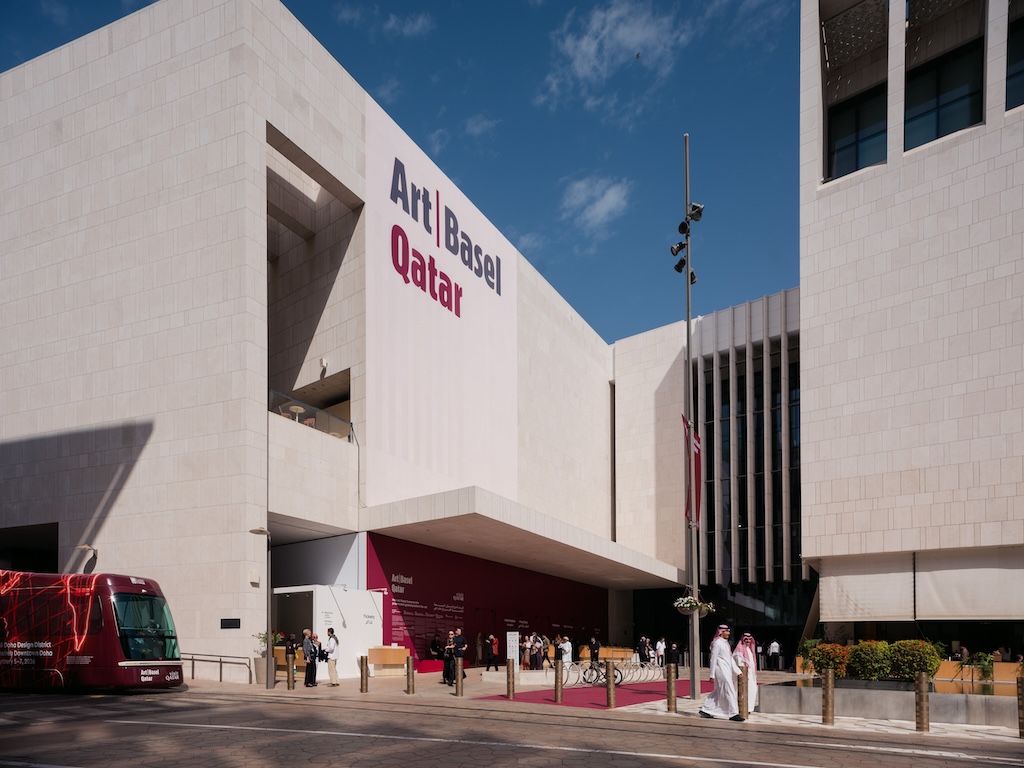
Art Basel has appointed Iraqi curator Wassan Al-Khudhairi as artistic director of Art Basel Qatar 2027, the second chapter in what is quickly becoming one of the art market’s most talked-about experiments.
The appointment follows the debut of Art Basel in Doha earlier this year, which attempted something decidedly different from the sensory overload of Basel, Miami Beach, Hong Kong or Paris. Rather than the chaos of endless aisles and scrambles for loot, the Qatar version leans toward a slower, more curated format built around individual displays and spacious installations. The atmosphere felt less like a sprint and more like a cautious introduction: an introduction to the area, new collectors, and perhaps a different perspective on art fairs.
Related articles
Now Basel is doubling down on this strategy.
Al-Khudhairi will succeed Egyptian artist Wael Shawky, who co-created the inaugural fair with Art Basel chief artistic officer Vincenzo de Bellis. The 2027 show will take place from January 28 to 30, with preview days from January 26 to 27, and will once again be held at the Doha Design District and the M7 in Msheireb City Center Doha.
For Basel, this choice makes sense. Al-Khudhairi brings serious institutional credentials, deep ties to Qatar and an international curatorial resume that underlines intellectual ambition without losing sight of the market realities behind it.
From 2007 to 2012, she served as founding director of Mathaf: The Arab Museum of Modern Art, overseeing its establishment and helping to establish it as one of the Gulf’s leading contemporary art institutions. Since then, she has been involved in biennales, museums, and independent curatorial projects, including the Gwangju Biennial, Taiwan Asian Art Biennial, and the Contemporary Art Museum of St. Louis.
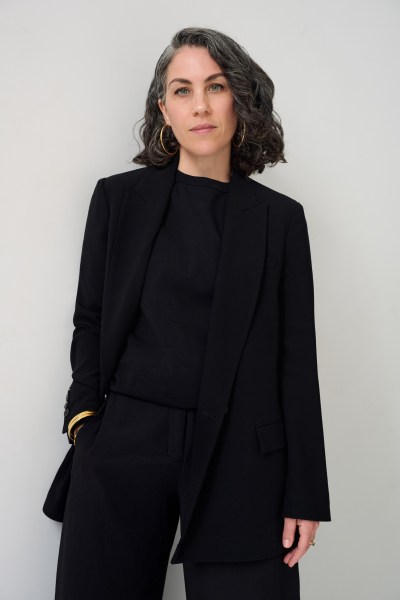
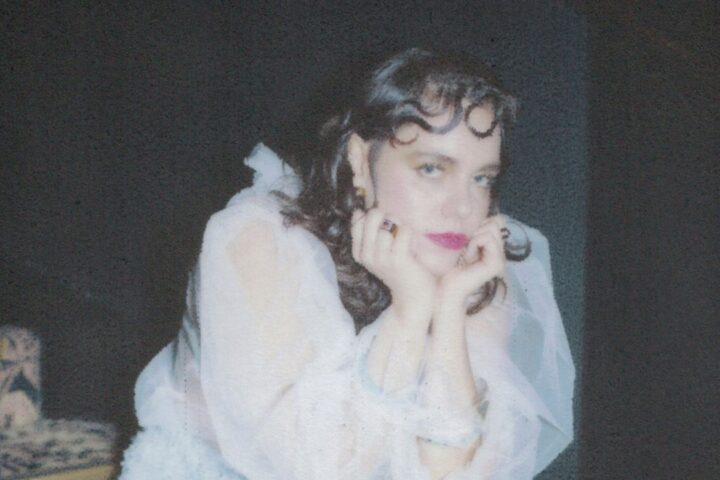
Wassan Al-Khudhuri. Photo by Jim Rafferty
Jim Rafferty
In a statement, Al-Khudhairi described Art Basel Qatar as “an exciting new model for curated fairs,” adding that the 2027 edition will explore the theme of “in-between,” a concept centered on exchange, ambiguity and connection across geographies and generations.
This idea of existing “in between” felt fitting for the fair itself.
Since Basel announced its Qatari partnership with Qatar Sports Investments and QC+, the project has hovered between commercial expansion and cultural diplomacy, art fairs and institution-building. Dealers, consultants and collectors spent much of the first edition trying to figure out what exactly Doha wanted to be.
Sales during the inaugural show were measurable, not explosive. Traders are talking less about blockbuster deals and more about tirades, presentations and institutional interest. Some galleries quietly admitted that they viewed the week as scouting rather than a pure sales opportunity. Others noted that many visitors from the region were experiencing an international art fair up close for the first time.
Still, there are signs of momentum. Regional galleries attract large crowds, especially those showcasing artists from the Middle East and North Africa. Meanwhile, international dealers appear to be encouraged by the level of institutional involvement and Qatar’s long-term ambitions culturally, even if no one is pretending the market has fully arrived overnight.
The bigger question still hangs over businesses: Can Art Basel help Doha build a sustainable business ecosystem?
Competition for the Bay Area’s cultural landscape has become increasingly fierce in recent years. Dubai Art Center continues to position itself as the region’s commercial hub, while with the opening of major institutions such as the Guggenheim Abu Dhabi, it has further leaned into historical scholarship and museum-driven programming. Meanwhile, Saudi Arabia continues to pour money into cultural infrastructure at an alarming rate.
Qatar joins this conversation with significant institutional clout. The country has spent two decades building museums, commissioning public art and amassing first-class collections. But a thriving local gallery ecosystem and a broad collector base are harder things to manufacture on command.
Basel executives have long argued that Doha’s success should be measured over the years rather than opening-day sales totals. The show’s slow pace and tightly curated structure was a deliberate attempt to create something different from the company’s other shows, rather than a lesser copy.
This format will remain in place in 2027. The second edition of Art Basel will once again center on individual presentations, while expanding its special projects section with more immersive installations and interdisciplinary programming, Art Basel said.
In a statement announcing his appointment, de Bellis praised Al-Khudhairi’s curatorial knowledge, as well as the mechanisms that build art ecosystems: how institutions develop, how collectors develop, and how public engagement translates into long-term infrastructure.
This may ultimately be Doha’s real mission. The first edition was a testament to curiosity, money and political will. The next challenge is to turn curiosity into a habit.