The Tamesis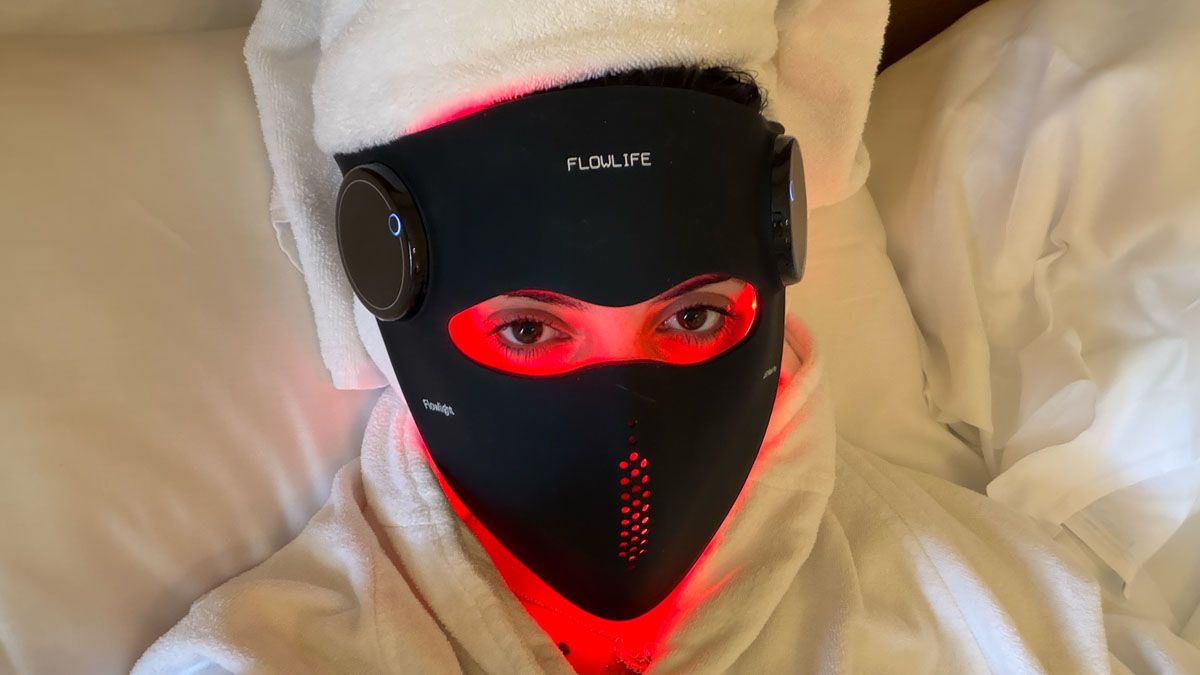
Do you have an LED mask? Or maybe the microcurrent lifting bar has become part of your morning routine, and the 20 minutes before bed are now reserved for a lymphatic drainage device. Once confined to dermatology clinics and the treatment rooms of celebrity beauticians, beauty devices are now found in bathroom cabinets around the world, along with toothbrushes and serums.
According to Research and Markets, the global at-home beauty device market is currently worth $14.4 billion and is expected to reach $21.85 billion by 2030, driven by consumers seeking clinic-grade results without regular appointments and fees. The category is also expanding rapidly thanks to an evolving ecosystem of new technologies, including radiofrequency devices, at-home microneedling tools, NAD+ pens and sleep technology. Many of these products are still emerging, but industry experts see this wave of innovation as the next potential “gold rush” in beauty and wellness and are aggressively positioning themselves to take advantage of it.
This growing demand has created fertile ground for increasingly sophisticated devices, but as beauty tools move closer to the medical realm, experts warn that the line between skin care and surgery is becoming increasingly difficult to draw. “Once you pierce the skin, inject a substance, cause controlled damage or attempt to reshape tissue, you are no longer just ‘doing skin care’ – you are performing a medical or quasi-medical procedure,” says Dr. Michael Moore, a cosmetic physician who works at the Dray Clinic in London. “Marketing often focuses on the device or product, but the real value comes from the knowledge of the practitioners.”
So which technologies will define the next wave of at-home beauty treatments, and how safe and effective will they be without clinical oversight?
What’s the next big thing?
Coenzyme A+
Two years ago, few would have predicted that LED masks would become as common as sheet masks, but it turns out consumers are willing to spend the money. Now, the next frontier in home devices appears to be moving closer to medicine.
At the heart of this transformation is NAD+ (nicotinamide adenine dinucleotide), a coenzyme found naturally in every cell in the body and plays a key role in DNA repair and cell function. The ingredient has gained cultural momentum in recent years, amplified by the addition of figures like Hailey Bieber, Kendall Jenner, Gwyneth Paltrow and Jennifer Aniston. It can be taken as a supplement, intravenous drip, or injection, and claims to boost energy, support cognitive function, improve recovery, and slow visible signs of aging.
NAD+ therapies are not FDA-approved for anti-aging or health indications, but are offered in clinics where regulatory oversight and clinical evidence vary by formulation and provider. As with other emerging health injectables such as peptides, their use is often based on practitioner-led protocols and early scientific research. Still, demand is growing: The global NAD+ market will be worth $184 million in 2022 and is expected to reach $655 by 2028, with a compound annual growth rate (CAGR) of 23.6%, according to research firm Insights Probe.
Dr. Jonathan Leary, founder and CEO of social health club Remedy Place, earlier this year released a NAD+ pen designed for home use. “These are practices that you want to keep going, and people who are proactive about their health are generally proactive in their lives. They’re busy. They have a lot going on,” he added, explaining the decision to expand beyond the clinic’s popular NAD+ intravenous drip. Developed in partnership with NAD Clinic, the device is positioned as one of the most effective options on the market, bringing clinical-grade NAD+ therapy into a more easily self-administered format. The NAD+ used in such devices is typically produced synthetically in pharmaceutical facilities to match the body’s natural coenzyme, rather than being derived directly from natural sources. The price starts at US$599 each, and online sales have increased by 165% month-on-month.