The Tamesis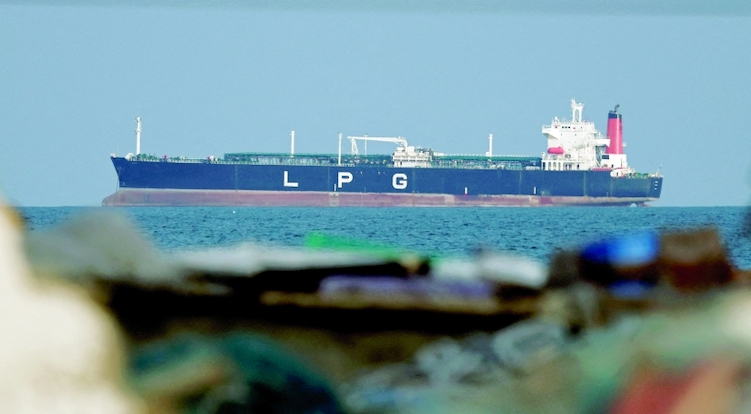
Clashes between U.S. and Iranian forces in the Gulf on Friday dampened optimism about a negotiated peace, but President Donald Trump insisted an uneasy truce remained in place as both sides assessed a possible deal.
Stocks across Asia fell despite a strong week for investors. Oil prices remain below $100 a barrel amid hopes the 10-week conflict will soon end.
U.S. Central Command said Iranian forces fired missiles, drones and small boats at three U.S. warships overnight but were not hit, while U.S. forces destroyed the incoming threats and retaliated against Iranian land bases.
See also: Nikkei rises, oil falls as awaiting outcome of peace proposal
Iran’s own Central Military Command, Khatam al-Anbia, countered that the conflict broke out when a U.S. ship targeted an Iranian civilian oil tanker heading toward the Strait of Hormuz and accused its enemies of attacking civilian areas.
The attacks hit the port of Kamil, Sirik and Qeshm Island on the Iranian side of the strait, the statement said, adding that the attacks were carried out with the cooperation of “some regional countries.”
Asked in Washington on Thursday whether the post-conflict ceasefire with Iran was still in effect, Trump said: “Yes, it is. They played a joke on us today. We knocked them out. They weren’t having a good time. I call it a petty thing.”
Iran did not name the accused U.S. ally, but the clashes came as the United Arab Emirates complained it was forced to intercept a wave of drones and missiles from Iran.
After the US-Israeli attack broke out on February 28, Iran basically closed the Strait of Hormuz, and the United States subsequently imposed a blockade on Iranian ports.
According to the United Nations International Maritime Organization, some 1,500 ships and 20,000 international crew members are currently stuck in the Gulf due to the conflict.
Iran sets up Strait toll collection agency
Another factor that could complicate the peace process is Iran’s attempt to create a body to approve transit through the Strait of Hormuz and collect tolls from ships, a shipping magazine reported on Friday.
“The Persian Gulf Straits Authority has introduced a new framework requiring ships to obtain transit authorization and pay tolls before sailing,” said Lloyd’s listan industry magazine providing news and intelligence on shipping and maritime trade.
“Vessels must submit detailed records of ownership, insurance, crew details and intended transit route,” it added, citing a form sent by the authority.
On Tuesday, Iranian English-language broadcaster Press TV said the country had established a “system for exercising sovereignty over the Strait of Hormuz” and that ships passing through the strait had received “regulations” in an email [email protected].
The new mechanism comes as U.S. President Donald Trump paused a brief operation to force the opening of the Strait of Hormuz to commercial shipping, citing hopes of an imminent deal with Iran.
Iran has repeatedly said it is trying to impose a new reality in the Strait of Hormuz, imposing tolls on transiting ships and sharing revenue with Oman.
Rubio: Iran ‘must not control the strait’
However, U.S. Secretary of State Rubio said Iran must not control the strait.
“Iran is now claiming that they own and have the right to control an international waterway … and that is an unacceptable thing that they are trying to normalize,” Rubio said.
Washington, through Pakistani mediators, has submitted a proposal to Iran to extend a ceasefire in the Gulf region to negotiate a final solution to the conflict triggered by the U.S.-Israeli attack on Tehran ten weeks ago.
“We expect them to respond at some point today…I hope this is a serious offer, I really do,” Rubio said.
Iran’s Foreign Ministry spokesman Esmaeil Baqaei said on Friday that the proposal was still “under review and once a final decision is made, it will definitely be announced,” ISNA news agency reported.
Trump threatens to ‘eliminate them’
World markets were buoyant this week, with oil prices falling on hopes that a Pakistan-brokered peace process would extend a U.S.-Iran ceasefire that began on April 8 and negotiate a deal to end the conflict.
But stocks fell again on Friday after fighting in Hormuz, raising concerns that renewed fighting could delay or disrupt the reopening of vital maritime trade routes, although Trump dismissed the incident as inconsequential.
This week, Trump fueled hopes of a deal, saying a deal could be reached soon, even as he renewed his threat to resume bombings if Tehran refused to back down.
But after Thursday’s clash, he hardened his stance, posting on his Truth social platform: “If they don’t sign the agreement soon, we will fight them harder and more violently in the future!”
Iranian Foreign Ministry spokesman Esmail Bakkai said on Thursday that Tehran would convey its position to mediator Pakistan “once it is finalized.”
“The geopolitical news again shows that the path to a lasting deal is anything but linear,” said Chris Weston, an analyst at financial group Pepperstone.
“Traders are having to rethink their assumptions about the trajectory of the conflict,” he added.
The dollar retreated against its major rivals while also awaiting key U.S. employment data due on Friday.
Elsewhere on Friday, the yen strengthened after Japanese media reported that officials had spent about $64 billion since last week to shore up the currency.
Market intervention reportedly began on April 30, when the yen fell to nearly $160 against the U.S. dollar, its lowest level in nearly two years.
Since then, the value of the yen has surged several times, fueling speculation about further government measures.
Lebanese talks
Any deal between Washington and Tehran could also help ease tensions in Lebanon, where a separate ceasefire deal is under renewed pressure after an Israeli strike in southern Beirut killed a Hezbollah commander on Wednesday.
U.S. State Department officials confirmed on Thursday that new Israel-Lebanon talks will be held on May 14-15.
This will be the third meeting in recent months between the two countries, which have technically been at war for decades and have no diplomatic ties.
U.S. Secretary of State Marco Rubio said on Tuesday that a peace deal between the two sides was “absolutely achievable” and insisted that Hezbollah was the sticking point, not any issues between the two governments.
Despite the ceasefire, attacks by Israel and Iran-backed Hezbollah continue.
Lebanon was drawn into the Middle East war when Hezbollah fired rockets into Israel in retaliation for the killing of Iran’s Supreme Leader Ayatollah Ali Khamenei as the wider war broke out.
Key data around 1100 GMT
North Sea Brent crude oil: rose 0.1% to $100.15 a barrel.
West Texas Intermediate crude oil: fell 0.2% to $94.61 a barrel.
TOKYO – Nikkei 225: down 0.2% to 62,713.67 (close).
Hong Kong – Hang Seng Index: down 0.9% to 26,393.71 (close).
Shanghai – Composite Index: unchanged at 4,179.95 (closed).
LONDON – FTSE 100: down 0.1% to 10,269.47.
NEW YORK – Dow Jones: down 0.6% to 49,596.97 (close).
USD/JPY: fell to 156.75 yen from 156.83 yen.
- AFP Additional input and editing by Jim Pollard
See also:
China DeepSeek says new V4 AI model can run on Huawei chips
Chinese AI circuit board company raises US$2 billion, becomes Hong Kong listed company of the year
China’s top streaming site criticized for AI actor ‘database’
Bytedance’s viral video model shows China’s growing control over AI
New DeepSeek model delayed online to test China’s AI chip strength
Nexperia’s Chinese subsidiary’s chips “nearly fully localized”
China beats U.S. again in global patent battle, Huawei maintains lead
China now requires chipmakers to use at least 50% domestic equipment
China’s big technological secret: Dutch chip-making machine replicated in laboratory
Chinese AI firms form alliance with chipmakers to ditch foreign technology