The Tamesis
On May 1, Dubai-born brand The Giving Movement, known for its high-end streetwear, began stocking its City Walk Mall store with a curated selection of emerging local brands. ‘The Movement Edit’ aims to showcase Emirati brands, including skincare brand Sade and headwear brand Hattitude.
This isn’t the only retail store in Dubai showcasing local brands. The Edit Dubai, a conscious fashion space, recently hosted a pop-up store for six Emirati designers, providing them with retail space and visibility for a week. at the same time, Fashion Arabia has launched #BuyEatStayArabia, a curated guide focusing on the region’s homegrown brands, restaurants and staycation destinations.
Looking at the bigger picture, Majid Al Futtaim, one of the Middle East’s largest retail and leisure groups headquartered in Dubai and operating across the region, is formalizing its role in shaping the UAE’s retail channel. The group, in partnership with Dubai SMEs under the Dubai Department of Economy and Tourism, has launched Ma’an (Arabic for “together”), a platform aimed at integrating Emirati entrepreneurs into its ecosystem across assets such as Mall of the Emirates and Vox Cinemas. The scheme was announced in early April and is open to applications from small businesses, with the first batch to be announced in due course.
The UAE has long been known for its penchant for international luxury goods, and across the media, retail industry and government, the message is increasingly consistent: local is no longer a niche narrative. This momentum is shaped in part by broader geopolitical uncertainty. The Iran war accelerated consumer behavior and institutional focus on proximity, identity, and resilience. This shift is also driven by more confident local consumers seeking cultural relevance and the rise of the UAE as a creative hub rather than simply a retail destination.
“Local pride has grown over the past few years,” said Rania Mansri, chief executive of the Giving Campaign. For her, local fashion is at an inflection point. “In difficult times, people naturally come together and support each other, so this moment has accelerated that transformation.”
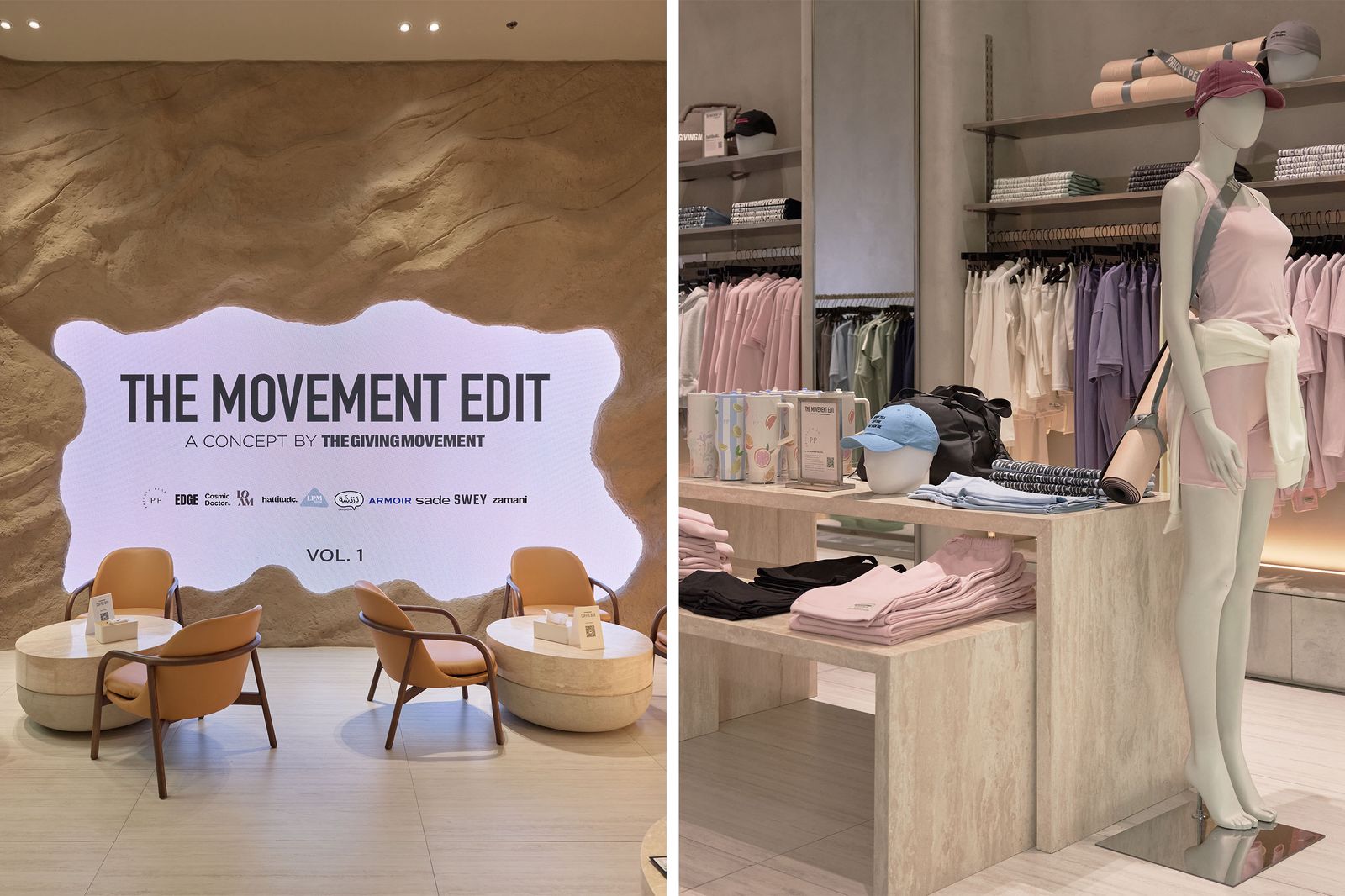
For international players, this means adopting a more thoughtful localization strategy. Examples include integrating local creative talent, developing culturally resonant collaborations beyond seasonal Eid events, and establishing more nuanced forms of consumer engagement. “But all brands, whether local or international, need to think about localization in the region,” Mansri added.
Shift dress code
This sentiment is felt across all Gulf countries: Bahrain, Kuwait, Oman, Qatar, Saudi Arabia and the United Arab Emirates. Kuwait remains one of the Gulf’s most fashionable and discerning luxury hubs, but it has experienced a complex political environment in recent years, even before tensions in the wider region heightened. While this has affected the retail cycle, it has not changed the behavior of Kuwaiti high-net-worth consumers, who still prioritize differentiation and personalization when purchasing and are increasingly looking to local brands to do this.