The Tamesis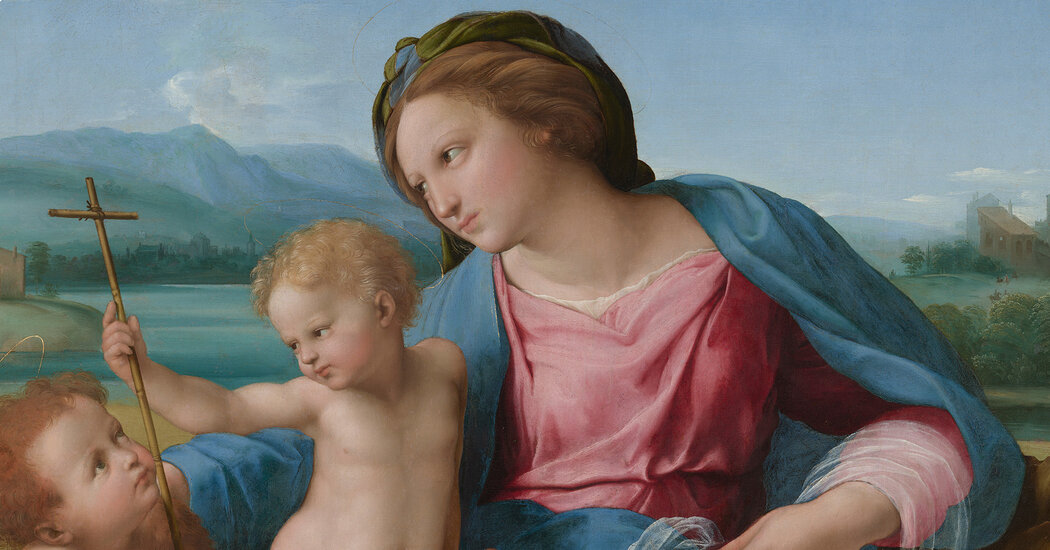
 [-1–>[-1–>
For centuries, the Renaissance master Raphael counted as the obvious third in a trio of geniuses, alongside Leonardo da Vinci and Michelangelo. He was venerated for the lifelike grace of his compositions. But for something like the last 150 years, his star has been fading.
His sweet Madonnas have come to strike modern eyes as too pious and pretty for their own good. “He’s very much a Victorian Raphael in people’s minds, and I think it’s done damage,” said Carmen Bambach, 66, a senior curator at the Metropolitan Museum of Art in New York. To undo that damage, for the past eight years she’s been laboring on “Raphael: Sublime Poetry,” the 237-work survey that opens at the museum on March 29.
Its paintings, drawings, prints and tapestries should reveal Raphael as an artist for our times: an idealist whose art stayed rooted in the real; an innovator whose experiments shaped later norms; an entrepreneur who knew how to spread word of his art through new technologies.
To test Raphael’s staying power, I invited Bambach and two other experts in Renaissance art to explore the glories, and significance, of three of her exhibition’s landmark works.
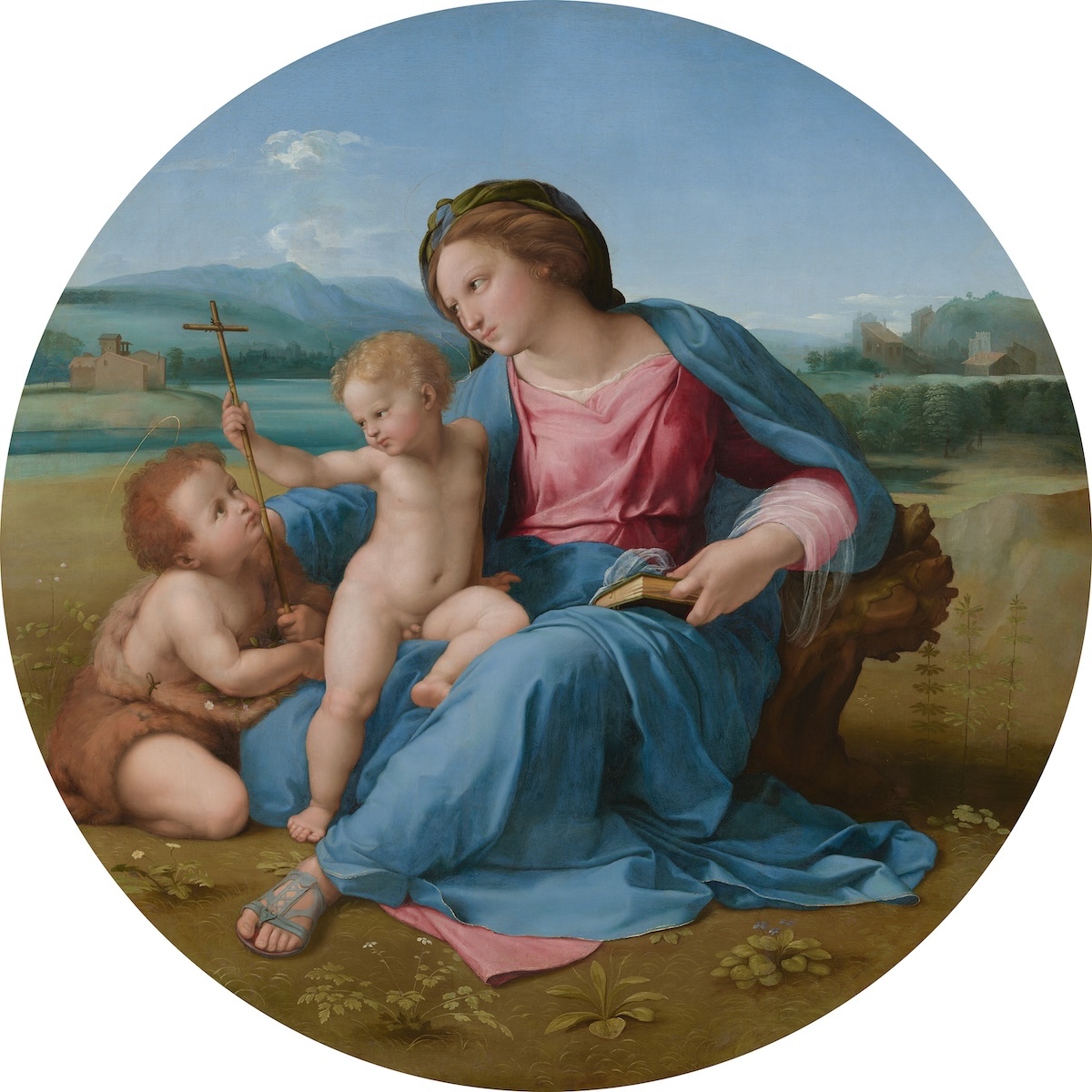
For Bambach, even the picture’s unlikely beauties get their full force from the hard truths of Renaissance life. Her exhibition highlights the era’s maternal and infant mortality, which took the life of Raphael’s mother and her infant daughter when he was 8. For Raphael’s original viewers, that back story would have given special meaning to the striking good health of the mother and child he painted.
Raphael’s sacred paintings are at the center of his excellence: I once declared his “Alba Madonna” to be “the single most important work of art in the Western tradition.” In her exhibition, Bambach gets to use those paintings to track Raphael’s progress from a provincial nobody to the most successful painter in Rome. But Bambach’s heart, she says, is just as much with the show’s portraits.
“Raphael: Sublime Poetry” offers masterpieces for our viewing pleasure while showcasing the almost absurd breadth of its hero’s creativity. It shows off his stunning talent as one of the first great sketchers from life. And it highlights his recovery of the aesthetic secrets of ancient Rome, for use in everything from urban planning to wall décor. It highlights, as well, his pioneering role as an artist-entrepreneur, welcoming specialists who could broadcast his genius via prints and ceramics and even tapestries.
If Raphael is not quite the household name he once was, it may be that he’s fallen victim to his own success, Bambach said. The ease and influence of his art made it a model for all the “academic” establishment paintings that came after — the kind that filled Victorian churches and salons, and then got rejected by the anti-establishment moderns who now rule our tastes.
Raphael was surely among the greatest of old masters. But the Met show should establish that he’s also an artist who speaks to us today.