The Tamesis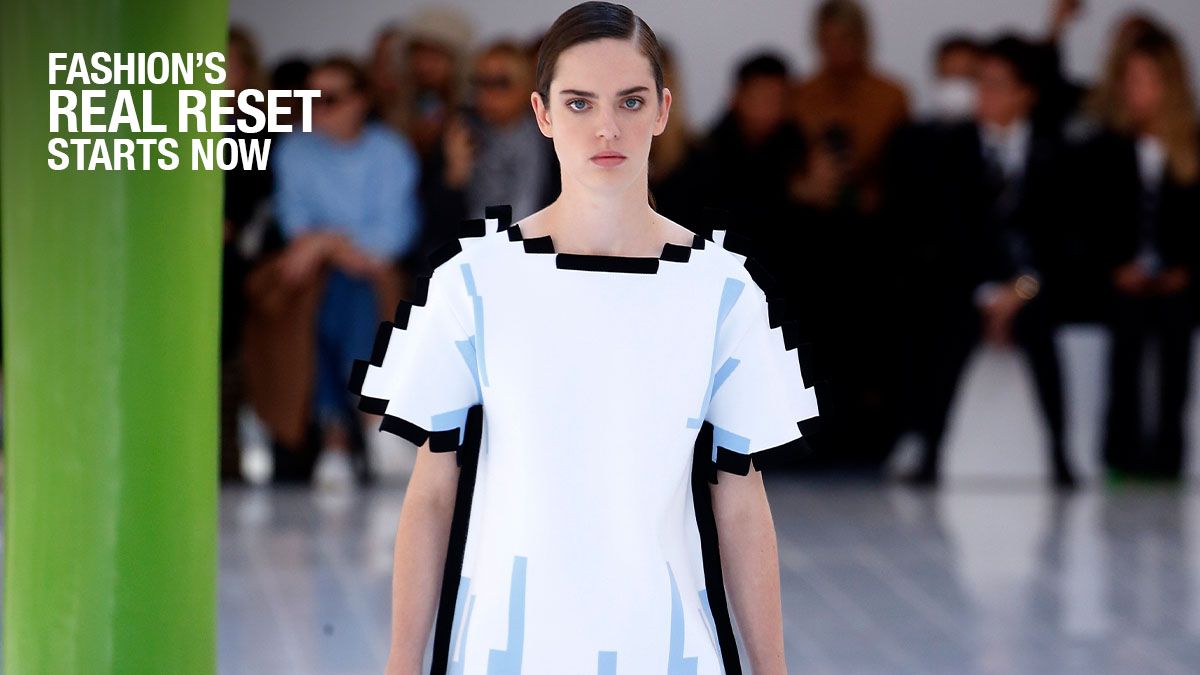
In 2021, Balenciaga’s cooperation with the video game “Fortnite” led by Demna has also become an important moment for high fashion to enter the game with luxurious “skins”. That same year, Gucci under Michele debuted a two-week virtual art collection within Roblox through its Gucci Garden Metaverse retail flagship store, a brand-building campaign targeting young Gen Z consumers. In 2022, Burberry launched Burberry: Freedom to Go Beyond, a collaboration with the video game Minecraft that includes in-game brand experiences and a capsule collection of its most popular products including Heritage Trench Coat, a creative experiment that the brand says “reflects our affinity for the natural world and the endless potential for adventure it holds”. Between 2022 and 2024, Prada released a series of “time capsule” NFTs via the Ethereum blockchain, calling it “creative existence in Web3.”
In 2023, after ten years at the helm of Loewe, Jonathan Anderson launched the SS23 Pixel series, which plays on the idea of blurring the digital and the physical while subverting the concept. The capsule collection, which spans men’s and women’s wear, features a trompe l’oeil effect that makes its garments and puzzle bags look like real-life, low-resolution digital artifacts.
However, the metaverse and NFT experiments in fashion were short-lived as the hype waned. An oft-cited example of the peak of the craze is Dolce & Gabbana’s The Doge Crown NFT, a bejeweled crown that sold for over $1.2 million as part of its 2021 signature digital fashion collection. “This became emblematic of the early Web3 gold rush for luxury goods and marked the end of the Web3 NFT bubble in fashion,” Young said.
As Metaverse hype wanes, what follows is mostly a return to craftsmanship. However, there is no denying that the explosion of generative AI has redirected attention to technology and its intersection with industry.
early clues
There have been a number of digital creative experiments over the past few months that offer an early indication of which brands may appear more technologically advanced under new creative directors. Not surprisingly, the same names crop up. The loudest creative exploration of artificial intelligence so far has come from Michele’s latest home, Valentino, with the launch of a nine-part digital art series showcasing the Garavani DeVain bag from his Pre-Fall 2025 collection, posted to the brand’s social media.
The brand is transparent about when artists use AI to create work, describing the vision behind the project as “an ongoing dialogue between human creativity and digital experimentation, reaffirming the value of artistic collaboration as an authentic expression of contemporaryity.”
The works are surreal and dare to lean into artificial intelligence’s propensity for visual entropy—the uncanny valley that has been labeled the “slop.” They were criticized on social media and divisive, just like every brand’s experiments with artificial intelligence visual effects over the past year. But more broadly, Valentino’s campaign shows us how customers expect brands to take a stance on the use of AI that is consistent with their wider brand values. They also sparked a discussion about whether embracing artificial intelligence entropy – glitching as a creative act – might become fashion’s next visual language in 2026.