The Tamesis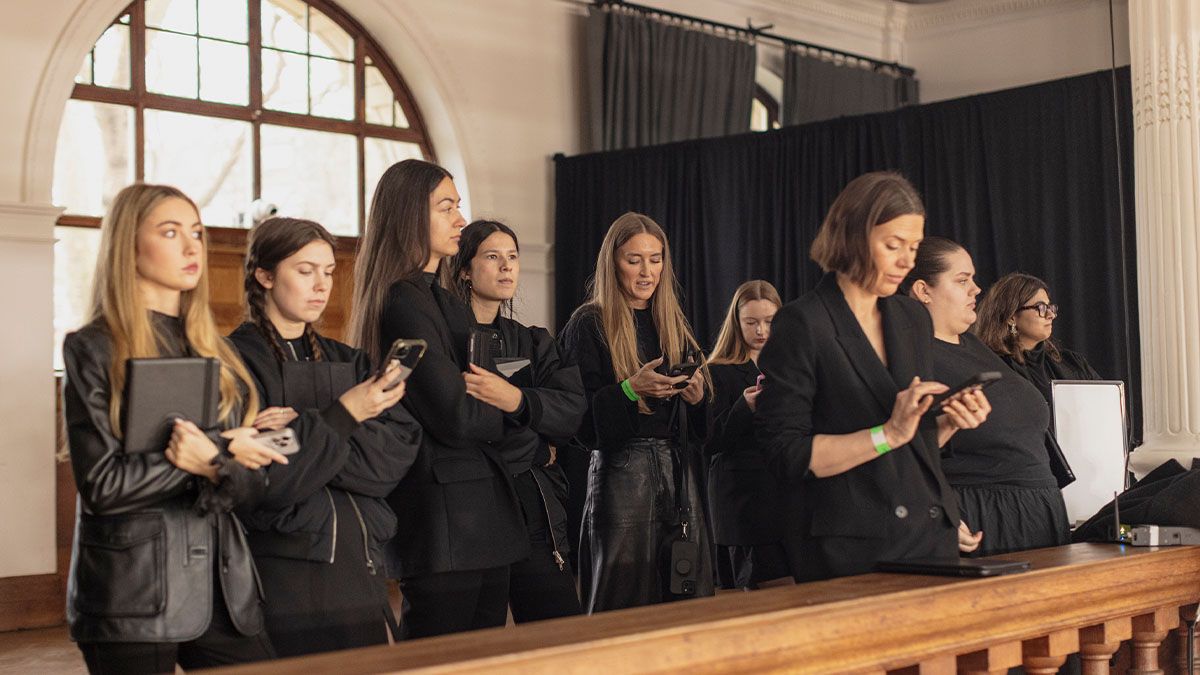
It may seem trivial, but a fashion show and its reception can change a brand’s performance. If the alchemy, vibe and experience of the collection are right, it can not only drive critical acclaim and brand relevance, but also boost sales, as we saw with Matthieu Blazy’s Chanel debut in September, which sparked a frenzy outside Paris stores when the collection dropped from shelves a few weeks ago. From deciding who’s in the room to sharing information and images after a presentation, publicists are responsible in some way for most stories about brand moments. In an industry where consumers are more discerning than ever, brands must make the right choices.
From atmosphere to KPIs
When I visited the PR agency before the show, the tables and floors were covered with large sheets of paper, with complex color coding on the seating charts (each agency had a different code). Teams circle around the paper, testing combinations of editors, talent, buyers and friends.
“You have to have a personal touch,” Hoban said. “I’ll look at the chart and say this person is friends with this person, so they talk to each other, but these two people have worked together on the same title, so that might be a little bit snarky,” Hoban said. It’s about curating personality to achieve a brand’s purpose, whether that’s social media buzz, industry-specific resonance like art or music, or a sense of community.
“It’s a demanding job,” says Mumi Haiati, founder of Reference Studios, an agency that represents brands including Blumarine, Stone Island and Chrome Hearts. When we met, his team was poring over Blumarine’s seating arrangements. “Captivating moments come from long hours of work and careful preparation. PR is still about coverage, but increasingly it’s about understanding how brands can meaningfully engage with culture in this day and age [audiences] There may be doubts about the brand. “
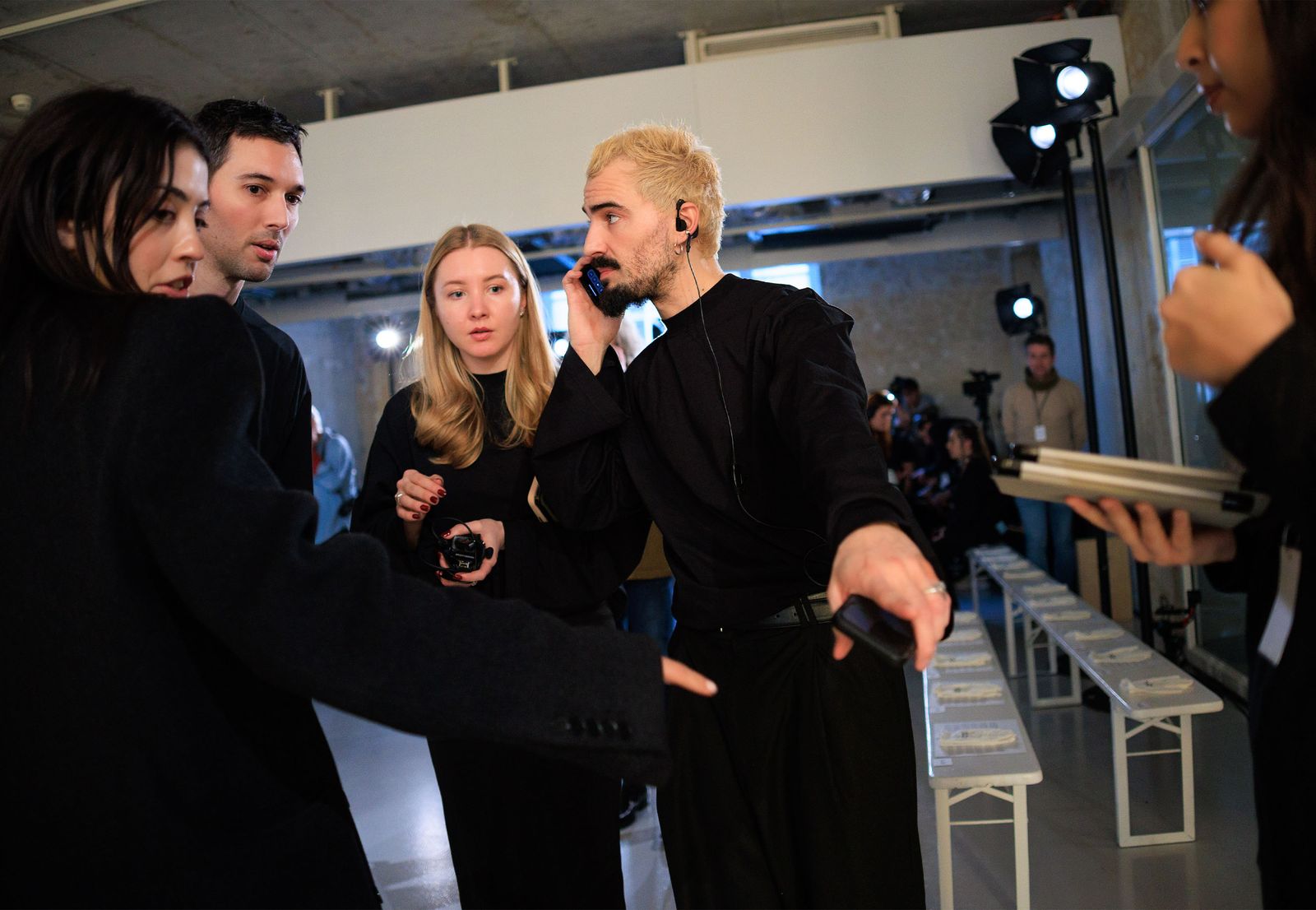
Publicists agree that the way brands measure the success of a fashion show has changed significantly over the past decade. When Lucien Pagès started his agency in 2006, he had never heard of KPIs (Key Performance Indicators). “It’s more about feedback and feelings,” Pagos said. “Before, when they arrived in stores, we would wait to see if something worked. People knew which shows worked [intrinsically] Based on instinct. “
Today, PR is often determined by post-activation data reporting. Measured differently by each agency through organizations like Launchmetrics, Lefty or WeArisma, it has become an important currency. These metrics attach a certain monetary value to social media engagement, such as likes or comments, to determine the total monetary value generated by an event, fashion show, or talent. “When you do a show, you can make millions of dollars, or millions of dollars’ worth, overnight,” Pagos said. Brands then use this data to evaluate how the campaign and its PR performed post-display or activation. While it’s a useful barometer, “if you’re under pressure, it may force you to do quantity over quality,” Pagos says. “Also, sometimes it’s a little fake because people buy followers or have bots.”