The Tamesis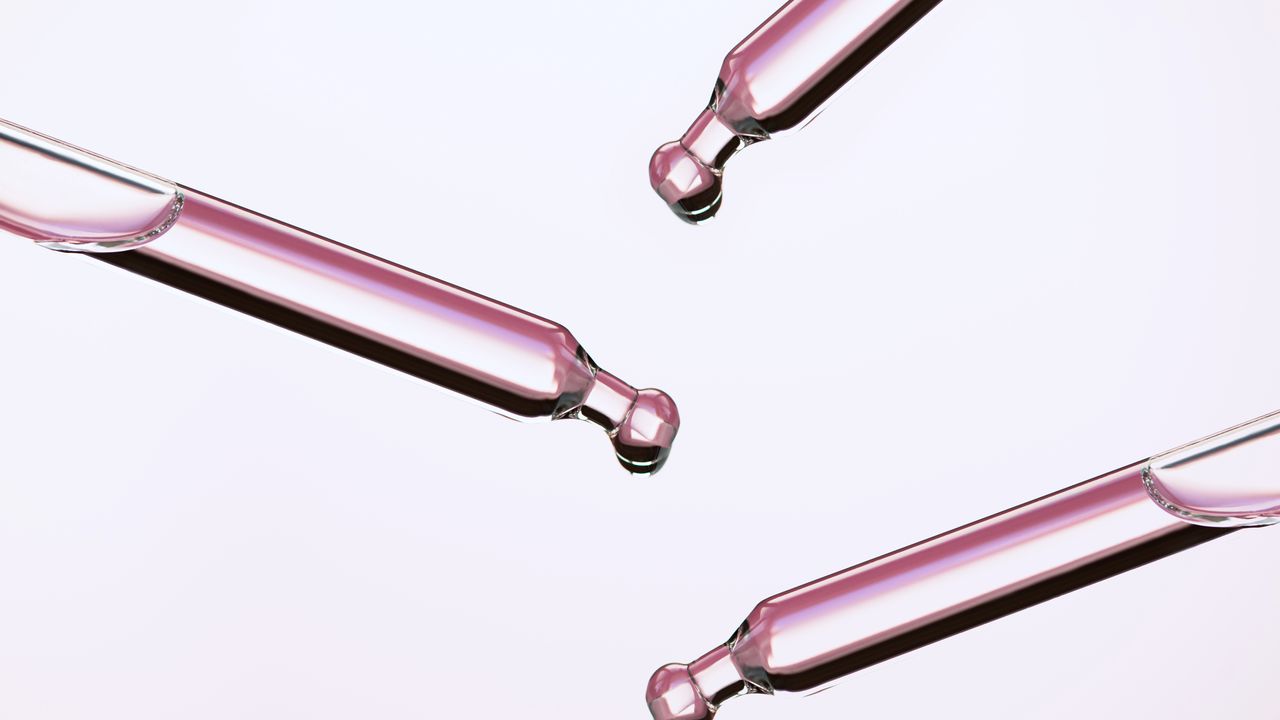
Will you need tinctures in 2026? Liquid supplements? A panacea? Dua Lipa just showed off her liposomal form of supplements, like the Akasha Superfoods liposomal sea moss gel she purchased after taking a few sips of Evian water during a Vogue beauty tips tutorial; Sakara and Mary Ruth popped up on social media promising optimal absorption of a liquid multivitamin; Japanese-infused brand Apothékary is intentionally moving away from wellness powders toward liquid tinctures that promise to reduce swelling, enhance mental focus, abstain from alcohol, and more. So what can we expect from this new wave?
“I believe tinctures and liquid elixirs will be one of the biggest wellness trends of 2026,” says Alexander Golberg, MD, DO, a dual board-certified functional medicine physician in Manhattan. Today, the space has become bloated and “liquids tend to be easier to digest and are ideal for people who experience nausea or digestive discomfort after taking medications,” he shares. “Because the body doesn’t have to work as hard to process them, tinctures feel gentler and more natural to many people. They also allow for smaller, more precise dosages.” He predicts that tinctures will become even more important as patients continue to prioritize natural and functional options in the booming supplement field. “People want supplements that are gentle, fast-acting and easy to take.”
Additionally, as Lipa demonstrated last month when she added separate liposomal doses of vitamin C and sea moss between skin care and makeup steps, “liquid health is rapidly improving as it fits into the way people live today,” when nutrients and vitamins are more bioavailable, he said of “quick drops, small bottles, and visible results.” “In many cases, tinctures provide a superior delivery system,” explains Dr. Golberg. “Liquid supplements are absorbed faster because they don’t require digestion. There are no fillers, binders or capsule coatings that need to be broken down, just the active ingredients entering the bloodstream quickly through the mouth.” He adds, “That’s why patients tend to feel their effects faster.” When it comes to health, it’s hard to resist the allure of instant gratification.
When Shizu Okusa founded Apothékary five years ago, she found inspiration in her grandmother’s “Japanese clay pot that always sat on the stove cooking something preventive and healthy.” When the Functional Herbal range was first launched, all products were in powder form. In traditional Eastern medicine, “historically you would grind whole herbs into powder form or boil them into water, distill them, and then apply heat to extract the effects of the herbs,” Okusa explains. “The beauty of ancient medicine, at least in our world and in herbal medicine, is that this is something that has been around for thousands of years, it just hasn’t been educated or marketed in the same way as medicine because it hasn’t been funded in the same way,” Okusana explains, adding that her larger hope is to “connect family traditions with the modern day.”
To achieve her goal, she rebranded the tinctures “because most people couldn’t tolerate the bitter taste of the ground whole herb.” Okusa says each tincture owes its mysterious “light and sweet” flavor to glycerin. “You don’t get a sugar spike because it’s a preservative, not a glycemic index spike.” The dual-extraction method means herbs and ingredients like Oregon grape root in Blue Burn (the blue hue of spirulina, clinical studies support its ability to boost metabolism) and lemon balm in Rescue Bloat (the neon yellow indicates another active herb: turmeric) are more potent than in their original form.