The Tamesis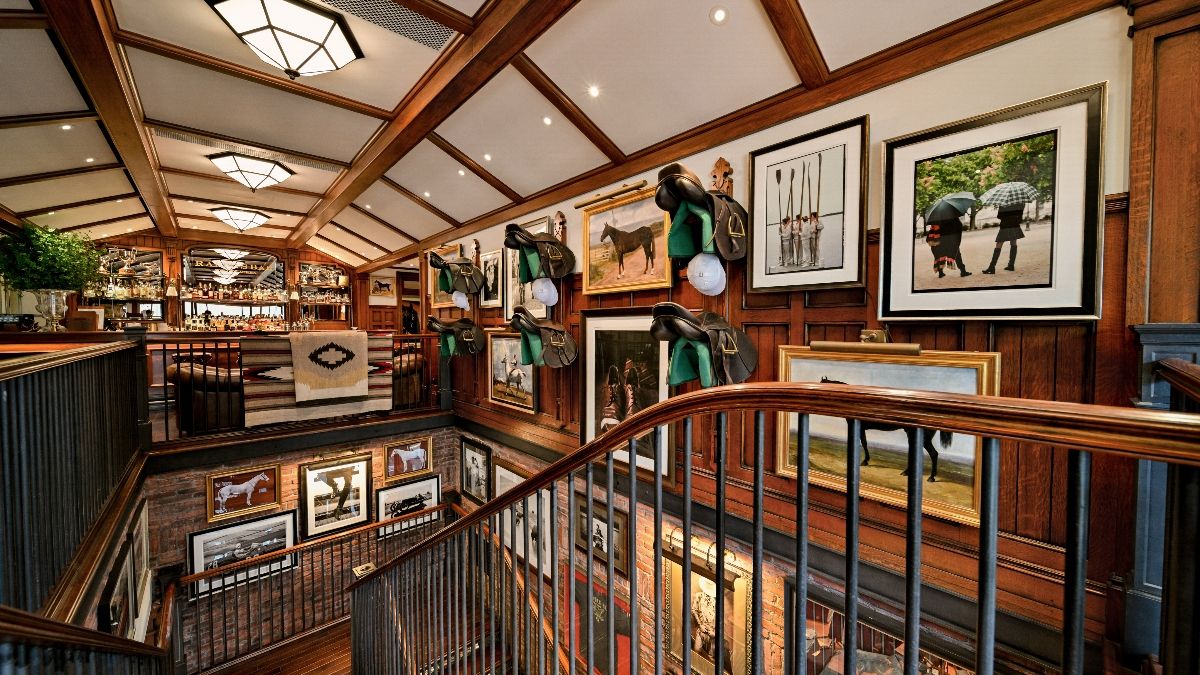
This life cycle approach is increasingly important for brand differentiation and helps explain why Ralph Lauren resists strict categorization. “We don’t fit in a box,” Luwe argued. “We appeal to different generations, different price points, different lifestyles. That’s what makes us unique.”
China as a leading growth engine
Even as China’s luxury goods industry faces broader headwinds, Ralph Lauren has quietly positioned the market as one of its most important growth drivers globally.
From a financial perspective, the trajectory is clear. Although Ralph Lauren achieved global growth of 7% in fiscal 2025, reaching US$7.1 billion, the growth rate in the Asia-Pacific region was faster, reaching 12%, with China becoming the most prominent market. In the recently released third-quarter financial report, the region led revenue growth, rising 22% year-on-year to $620 million, with China revenue increasing by 30%, accelerating this growth.
The result is a rapidly expanding role in the business. Louvet said China’s contribution to global revenue has increased from about 5% to about 8% in the past three years and is expected to reach 10% to 15%. “We expect China to continue to achieve at least double-digit year-over-year growth,” the CEO said.
He added that within the company’s broader geography, Asia-Pacific has been a major contributor to growth, with China being a key engine. What’s particularly compelling about this opportunity is that the brand is still in the early stages of its expansion cycle. “Many of our luxury goods peers already have 20%, 30% or 40% of their business in China,” he noted. “We’re still in the early stages, which means there’s a lot of upside ahead.”
This advantage spans many levels, from geographical expansion beyond the current six major cities, to category development and platform innovation. Hwee Chua highlighted the breadth of remaining opportunities. “Whether it’s category, brand, platform or innovation, there’s still a lot of room for growth,” she said.
China is also increasingly becoming a testing ground for new capabilities, particularly in digital and consumer engagement. “A lot of what’s happening in social commerce and the way consumers interact with brands is leading the way globally,” Louvet said. “What we learn in China can be exported to other parts of the world.”
Underlying this optimism is the belief that Ralph Lauren’s core values – authenticity, ambition, optimism, family and quality – resonate across cultures. “We’re often asked how a quintessentially American brand can become so connected globally,” Louvet said. “That’s because these values are universal.”