The Tamesis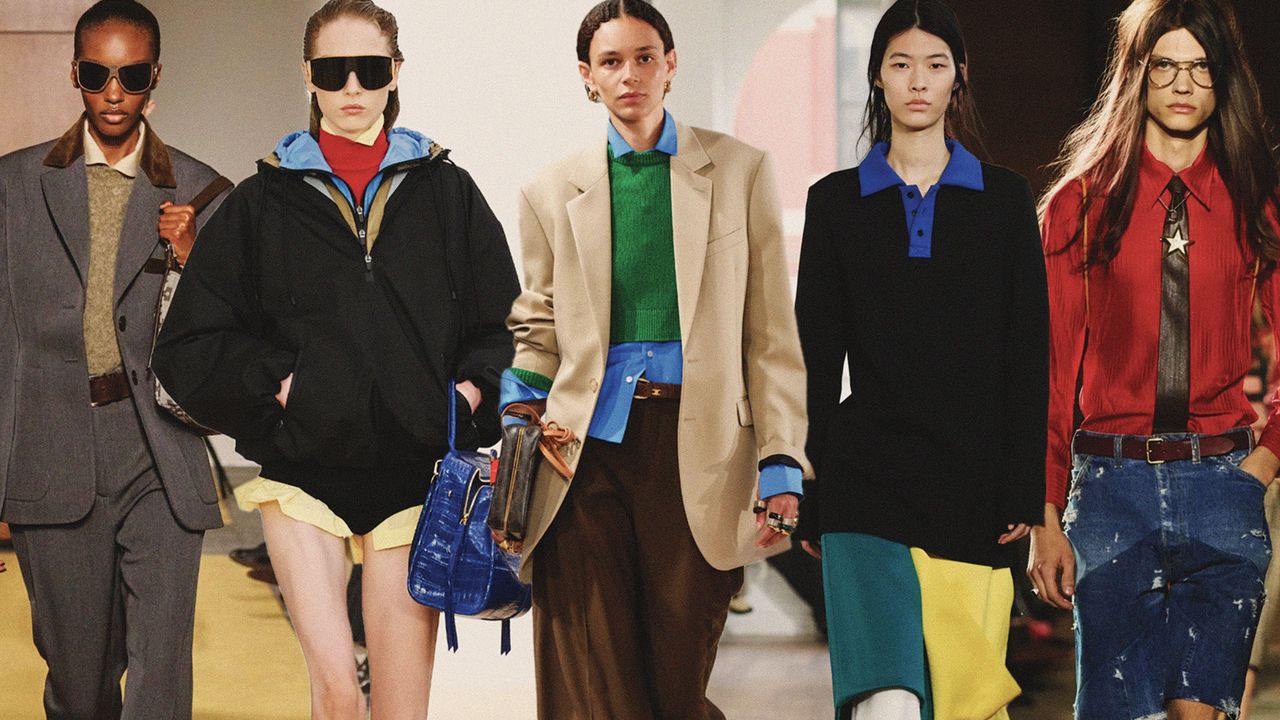
“You can actually mix and match colors with each other and create completely new combinations, rather than just choosing one color,” one designer said at the Fall 2026 show in New York. “Each one of these things is almost like an accessory,” another said, pointing to a rolling rack of skirts, shirts and jackets. Both emphasized the versatile, infinite combination potential of their work. It’s a puzzling sentiment considering that clothing rather than accessories is often the main event, yet it’s all part of a new wave poised for a great renaissance. Call it: the fragmentation of American sportswear.
Any New Yorker who enjoys eating out remembers the “small plates craze” of recent years. Seemingly overnight, many buzzing new places have discovered the snack idea. Rather than sinking your teeth antisocially into the entree, a waiter wearing a patchwork tattoo (probably in Williamsburg, asking: “So have you dined with us before?”) will recommend “three to five” sharing dishes (prompting the waiter to say: “We can come back later to see if you’re still hungry”), and a less rigid ritual occurs. Our clothing is now doing the same thing.
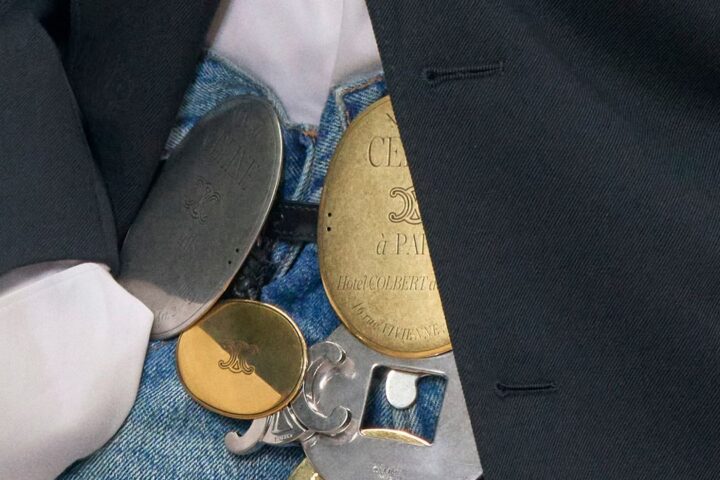
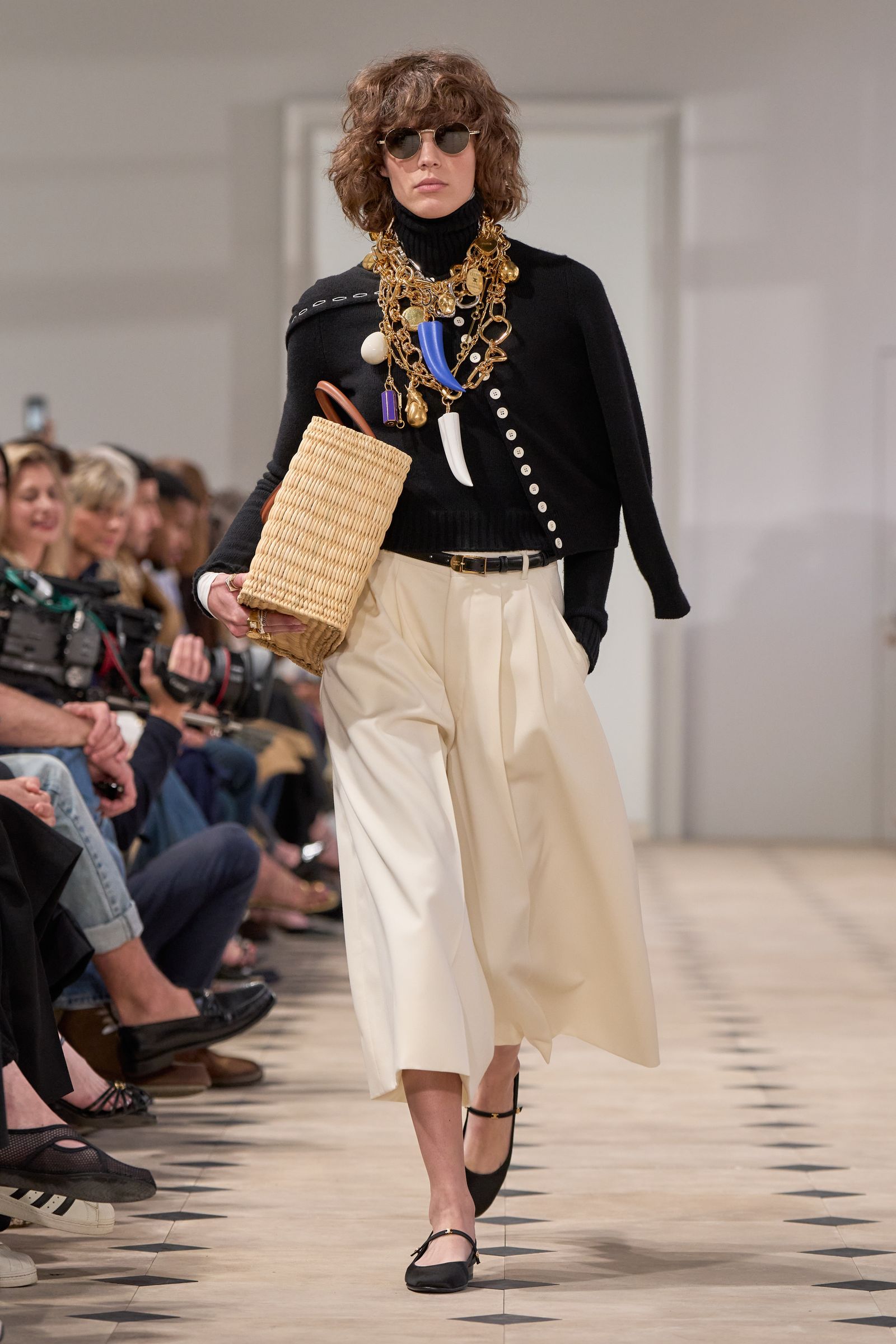
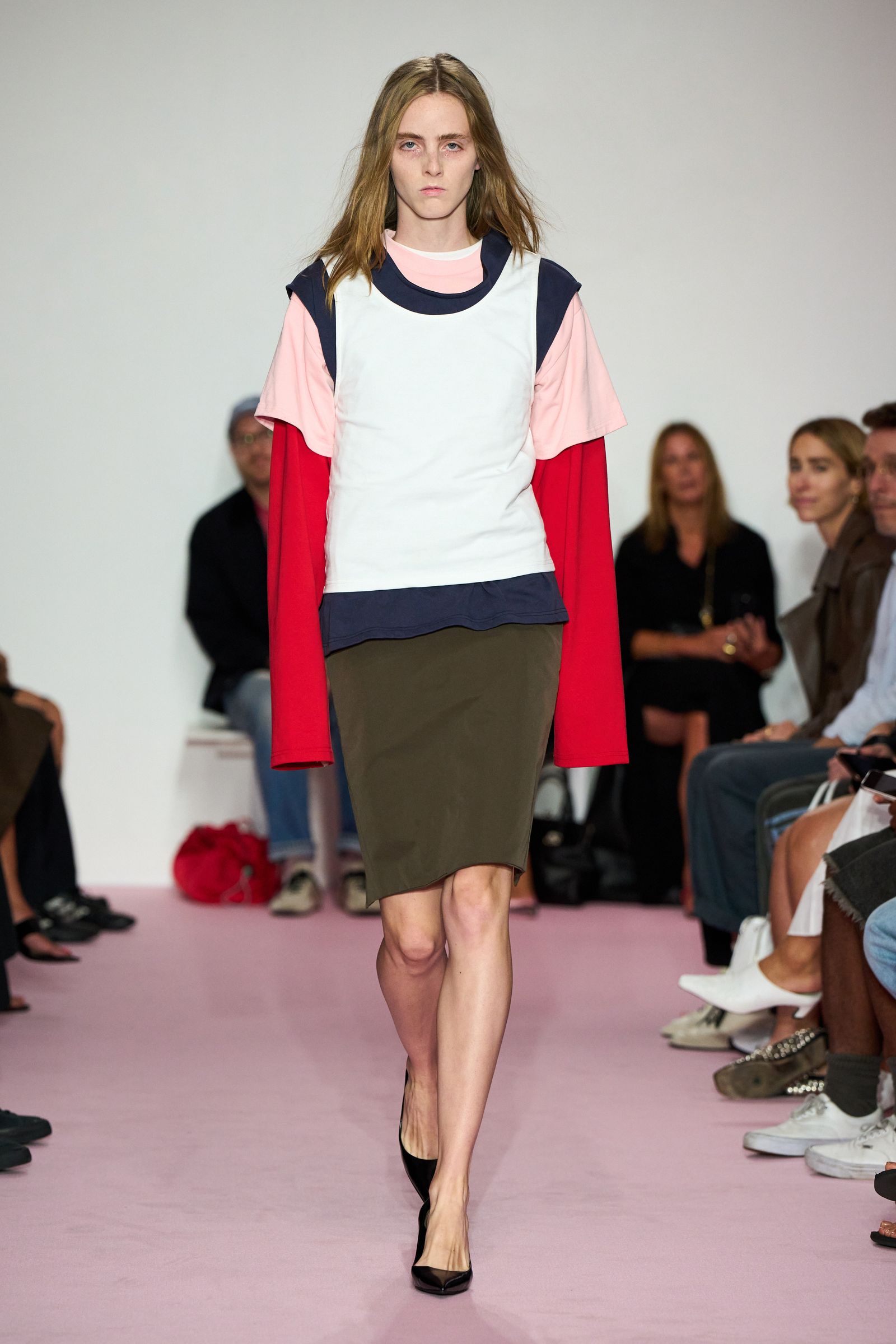
When Michael Rider showed off his first vision for Celine last July, many immediately pointed out its unmistakable styling. Rider infused the French house with a fresh, Ralph Lauren Polo-approved style, layering necklaces, scarves, blazers, and cardigans, sometimes worn as scarves and necklaces themselves. It’s a tempting presentation for those who order the entire menu. At Dries Van Noten, Julian Klausner experimented with similar designs, featuring clashing prints in the brand’s signature aesthetic cacophony. Back in New York, an emerging brand called Lii is forging its own path. 2026 LVMH Prize semifinalist Zane Li has been developing his futuristic take on layered schemes over the past few seasons, filling his collections with visually challenging bold color blocks and paper doll silhouettes.