The Tamesis
For the fashion industry, Autumn/Winter 2026 arrives at a time of heightened uncertainty, as the wholesale industry continues its difficult reset and geopolitical uncertainty remains high. In survival mode, many brands are forced to hunker down and strengthen their business strategies in the hope of succeeding against a difficult backdrop. What happens in 2026 and beyond is now coming into focus.
This season designers are emphasizing wearability and layering in their collections day after day. Many are coming through showrooms and previews, opting for smaller appointment formats in lieu of larger shows. In addition to their collections, the designers discussed recent business ventures and adjustments, from a website redesign to a cautious increase in marketing spend, reinforcing their long-standing commitment.
The challenges facing small brands, and the fashion industry as a whole, have been piling up over the past decade. First came Brexit, Trump and the coronavirus pandemic, followed by the collapse of e-tailers including Matches and Farfetch, leaving brands in trouble. Ashish Gupta of the eponymous ready-to-wear brand Ashish said: “Just when people felt that the situation might start to improve, the United States imposed high tariffs.” Due to the special circumstances, he decided to cancel the fashion show at London Fashion Week. “Combined with unfavorable domestic business policies, rising business rates and rising operating costs, it doesn’t feel like an environment that supports creativity or small independent businesses.”
The moniker “indie” may often be interchanged with “emerging” when it comes to brands and designers. The reality is that the vast amount of independent talent that contributed to the fashion month calendar is no longer around: these designers already are. Now, many of the talented people who show up season after season are thinking about how to transcend IYKYK status, from niche industry darlings to enduring brands that can stay the course. In an unfriendly and unpredictable economic environment, this is no easy task. Here are their strategies for 2026.
Clothes are smarter, not harder
From the runway – or showroom – to the store
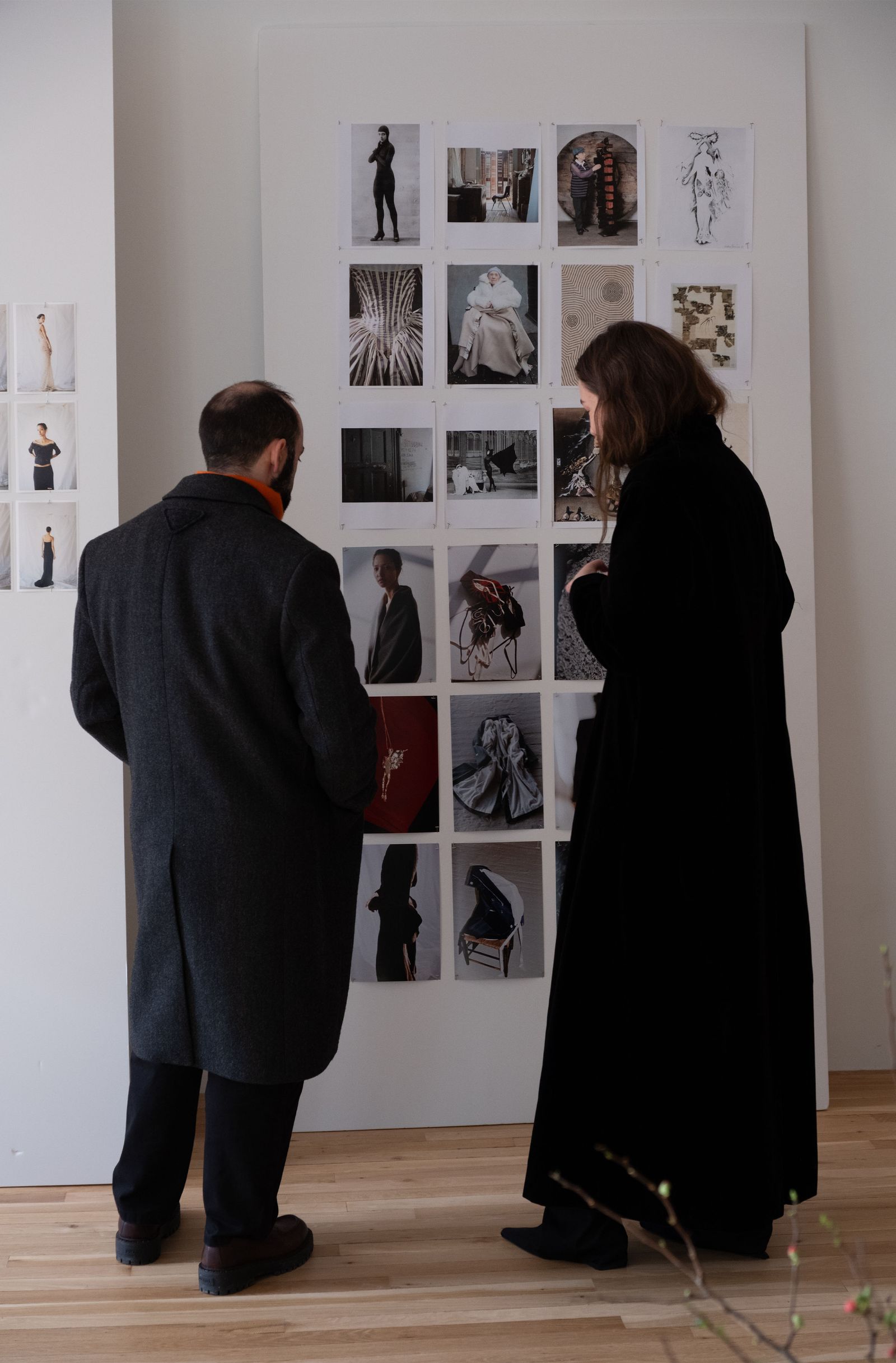
This season, many designers are emphasizing that their runway collections will be available for purchase in their entirety, with few or no garments made specifically for display. Ashlynn Park in Ashlyn takes this approach. Before the show, Park spoke in her studio about the importance of working sustainably, for business rather than the environment. “Most of the runway pieces are just there to sell handbag accessories,” she said. “I think we can do a better job of getting it to a wearable level rather than wasting months of effort each time [season]Hillary Taymour of Collina Strada echoed a similar sentiment backstage: “I really just wanted to emphasize the fact that you see it on the runway, you get it from us.” “The same is true for Eckhaus Latta, and it always has been.
Other brands that haven’t always followed this model are now increasing the number of garments they carry from the runway to stores, even if it’s not 100% of the collection shown. At Altuzarra, about 70 percent of the items on display are eventually produced, which designer Joseph Altuzarra says is “pretty high and very efficient,” adding that the brand’s cancellation rate is “pretty low.”